Alan Zweibel says he and Gilda Radner hid behind a plant at the first Saturday Night Live meeting
The original SNL writer’s best story is not about cocaine, power, or genius, it’s about two future comedy legends quietly panicking behind office foliage.
Listen on YouTube
 WATCH NOW↓
 Alan Zweibel’s best Saturday Night Live origin story involves neither a drug-fogged after-party nor Lorne Michaels handing down tablets from Mount 30 Rock. It involves Zweibel, one of the show’s original writers, hiding behind a potted plant at the first meeting, and Gilda Radner joining him there because she was nervous too.
That’s the useful corrective in Zweibel’s Fitzdog Radio visit with Greg Fitzsimmons. The mythology of early SNL tends to arrive already wearing sunglasses indoors, all Belushi electricity and Chevy Chase smirk and New York in the mid-70s behaving like it had just invented irony. Zweibel’s version is funnier because it’s smaller, more human, and more embarrassing. Before the revolution, apparently, came shrubbery.
I got a little overwhelmed and I didn’t want to be in the line of fire so yeah I hid behind a plant
The detail lands because Zweibel was not some tourist wandering into Studio 8H with a deli number. He had been selling jokes to Catskills comics for seven dollars a line, writing for the tuxedo-and-wife-joke circuit, and then suddenly he was in a room with John Belushi, Dan Aykroyd, Chevy Chase, Al Franken, and performers who could make whole characters appear out of air while waiting for a meeting to start. That’s not a writers room. That’s a pack of comedy wolves discovering office space.
The revolution was scared too
Gilda also was nervous not that she couldn’t have held her own with those people which she did but it was her first tv show she was new to new york
This is the part that feels true, not just charming. Radner would become the emotional center of those first SNL years, the performer who could turn neediness, lunacy, sweetness, and menace into one face. But Zweibel remembers her at the beginning as new to New York, new to television, and compassionate enough to spot another terrified person camouflaged as office decor.
That image does more work than the usual showbiz legend. It explains the Zweibel-Radner bond better than any bronze plaque version of comedy history. They didn’t meet as untouchable geniuses. They met as two people trying not to get eaten. Then they built characters and sketches together, and Zweibel later wrote Bunny Bunny, his tribute to Radner, after her death. If you want the sentimental version, fine. But the comedy version is better: friendship as mutual panic management.
Fitzsimmons, to his credit, knows exactly why this matters. He comes to Zweibel not as a neutral interviewer but as someone who was once a teenager being taken seriously by him. The episode keeps circling mentorship, from Zweibel reading young Greg’s scripts to Freddie Roman teaching crowd control by dragging scattered fairgoers into a tight pack before destroying in a tuxedo on grass. The plant story is part of that same education. Comedy history is not just who was brilliant. It’s who made space for whom.
SNL was not the safe bet
Zweibel also gives the practical context that makes the potted-plant scene even stranger. SNL was not yet SNL, the holy place where every famous comedian eventually returns to wear a monologue suit. It was a late-night experiment airing from 11:30 to 1 on Saturday, which Zweibel jokes meant the audience was basically “angry people who didn’t get laid.” He had another option, Hollywood Squares, which had stars, prime-time polish, higher pay, and the comforting smell of institutional television.
if i’m going to fail let me fail doing something i want to do
That sounds like a motivational poster until you remember the man saying it had just admitted to hiding behind a plant. The bravery wasn’t swagger. It was choosing the scarier room because the jokes in the safer room had started to feel dead. Zweibel had been writing for an older generation, and he admired them, but he wanted to write about his own life, his own cohort, his own New York. Nixon had resigned. Woodstock had happened. Prime-time variety was still putting tuxedos under studio lights. Someone had to spray-paint the wall.
His verdict on early SNL’s comic mission is simple and blessedly unromantic. Lorne Michaels told them to make each other laugh. That was the metric. Not demographics. Not brand identity. Not “content.” Just the room. Of course, this is also how tiny tribes convince themselves the rest of the country will follow, which is both arrogant and, in this case, annoyingly correct.
let’s just make each other laugh and if we do that we’ll put that on television
The plant story should be in every SNL documentary not because it demystifies the show, but because it improves the myth. The original cast and writers were not born cool. They were converts from older rooms, refugees from improv stages, kids from Detroit and Long Island and Canada and wherever Chevy Chase claimed to be from emotionally. They were feeling for the edge of a new language.
Zweibel’s claim is credible because it is too specific to feel polished. Nobody invents the potted plant if they’re trying to look good. The story makes him look overwhelmed, and it makes Radner look kind, which is probably why it survives. Comedy people love to tell you when they killed. Zweibel is better when he remembers ducking.
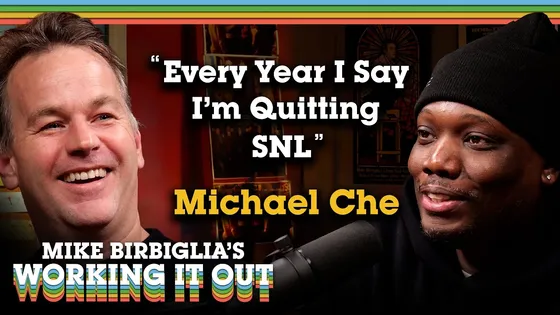
Michael Che Finally Shows Up for Mike Birbiglia's Podcast, Five and a Half Years Later
Two comedians who actually trust each other spend an hour workshopping bits, diagnosing SNL, and accidentally conducting therapy.
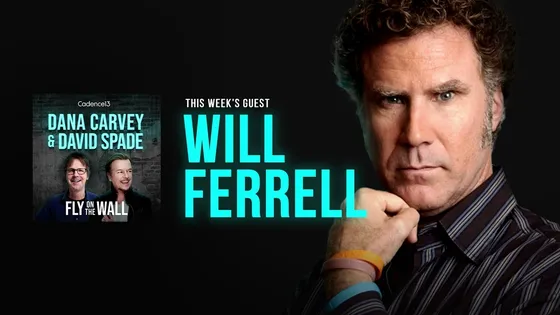
Will Ferrell says Lorne Michaels told him to leave SNL only after he started to dip
Ferrell’s exit advice from Michaels sounds insane until you remember the next three movies were Old School, Elf, and Anchorman.

The Circuit: the week the tidy story kept losing
Across nine conversations this week, some of the biggest names on the podcast circuit spent their time roughing up the clean version of events, the plague that supposedly ended Rome, the aliens in the government freezer, the trophy that counts as a World Cup. What kept surfacing was a preference for the smaller, stranger, less quotable truth.
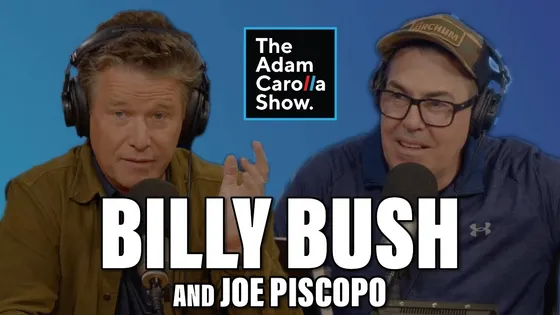
Billy Bush Finally Gets to Tell His Side, and It's Messier and More Sympathetic Than You Remembered
Nine years after the Access Hollywood tape, Bush walks Adam Carolla through the betrayal, the breakdown, and why he still has one corner of his heart reserved for NBC News chairman Andy Lack.
The circuit, read weekly. No noise.