Daily Wire's Ben Shapiro Says Half the Internet Is Bots and Foreign Governments Are Buying Your Political Opinions
The Daily Wire co-founder argues that bot-driven fake consensus is the KGB playbook running on autopilot, and that Elon Musk is the only person alive who actually knows how bad it is.
Listen on YouTube
 WATCH NOW↓
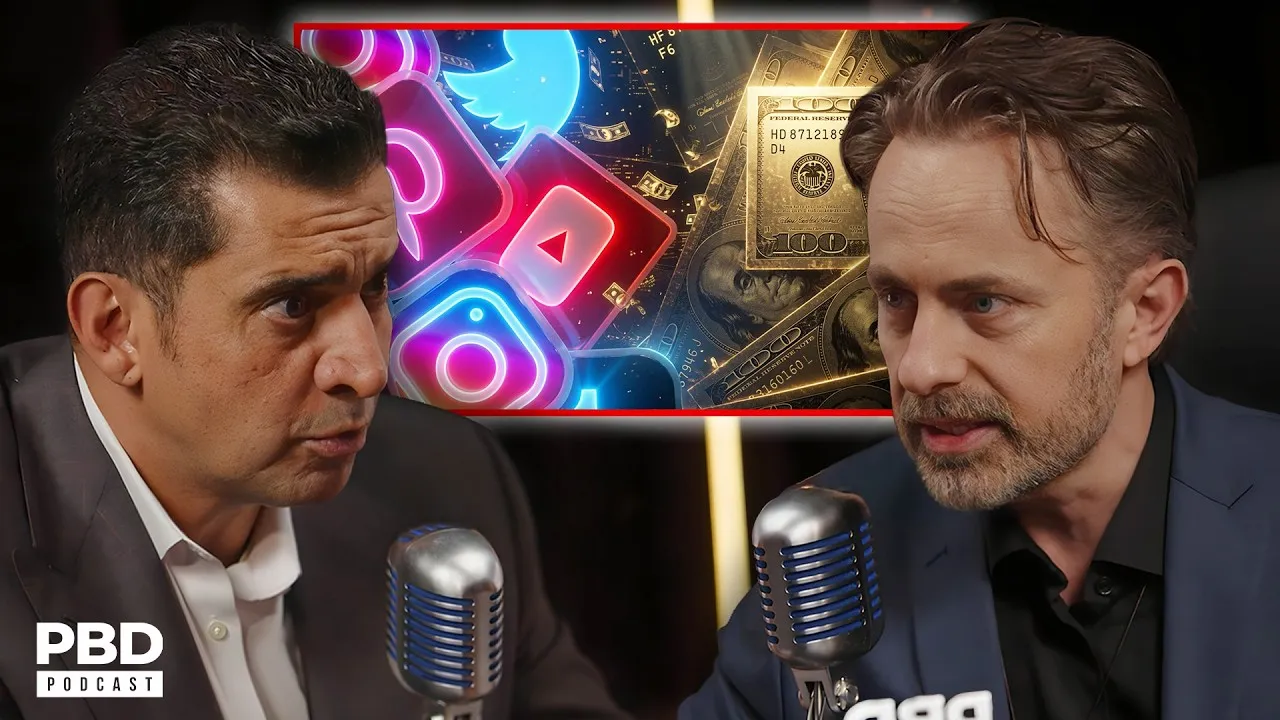
 Ben Shapiro thinks you probably believe at least one thing that was planted in your head by a foreign government, and he thinks the machinery doing it right now is bigger than anything the KGB ever ran. His claim: 50 percent of the internet is bots, most of them funded by China, Russia, Iran, and North Korea, all working to manufacture the illusion that everyone already agrees with whatever position they want you to hold.
That number, 50 percent, is delivered without a source. Researchers who study bot traffic typically put the figure somewhere between 25 and 40 percent of all web traffic depending on how you define the term, so Shapiro is on the aggressive end of credible estimates rather than in fantasy territory. But the core mechanism he describes is documented and real: bots flood the first comments on a post, and social proof does the rest. You do not need to convince anyone of anything. You just need to make a position look like the default.
Anonymity on the internet has made it impossible to know what’s real and what isn’t. But what I do know is that social proof is one of the most powerful forces that exist on the planet.
Lenin on a Train, Bots on Your Timeline
Shapiro’s historical framing is the most interesting part of this. He traces the logic back to World War One, when Germany smuggled Vladimir Lenin into Russia specifically because they understood that one man with a destabilizing idea could do more damage to an enemy than artillery. That move, he argues, became the founding template for Soviet information operations, which then spent decades laundering ideas into American culture through whatever open channels they could find. College professors. Hollywood. The press. The immune system weakness of a free speech society is that it has no natural quarantine for bad ideas.
The KGB laundered all kinds of their ideas into America because they understood that within the free speech system that exists in this country is an immune system weakness.
This is a genuinely coherent argument, and it is also one Shapiro should be careful with. The same logic that says foreign bots manufacture fake consensus can be, and has been, used to dismiss any grassroots movement as astroturfed. Shapiro knows this. He does not address it here. He gestures at Ronald Reagan’s battles against Soviet influence in the Screen Actors Guild as proof that this is an old fight with a new weapon, which is fair, but it sidesteps the question of how you tell the difference between a manufactured opinion and a real one once you’ve decided the machinery exists.
The Elon Theory
The host’s suggestion that Elon Musk probably runs quiet reports on the bot percentage of the top 250 political influencers on X is presented as savvy insider logic. Maybe. What it actually describes is basic platform moderation data that Twitter has possessed for years and famously declined to act on, because as Shapiro himself notes, the incentive structure runs the other way. More accounts, even fake ones, mean bigger numbers, and bigger numbers mean more ad revenue and more perceived relevance.
Why are the social media companies allowing all of these foreign influence operations to exist? Why do they allow bots to post on the platforms?
Shapiro’s answer to his own question is profit and optics. That is probably right. It is also a somewhat awkward position for someone who has spent considerable energy arguing that platform intervention in content is censorship. The consistent version of his argument would require aggressive, algorithmic, platform-level bot purges, which would shrink reach for everyone, including conservative media empires built on viral engagement. He does not quite get there. The conversation moves on before the thread pulls too tight.

Tom Homan says a Democratic politician told a grieving mother they had better things to do than talk about her murdered daughter
The allegation is brutal, politically explosive, and in this clip, frustratingly unnamed.
Patrick Bet-David says raising a kid requires exactly 500 five-minute conversations.
The podcast host rejects the new tech-billionaire trend of mass surrogacy, arguing that spreading your DNA does not make you a father.
Patrick Bet-David says a $300,000 AI UBI would make most people miserable
A Ford AI quality-control story turned into Bet-David’s bigger anti-utopia: money without resistance is not freedom, it’s spiritual mush.
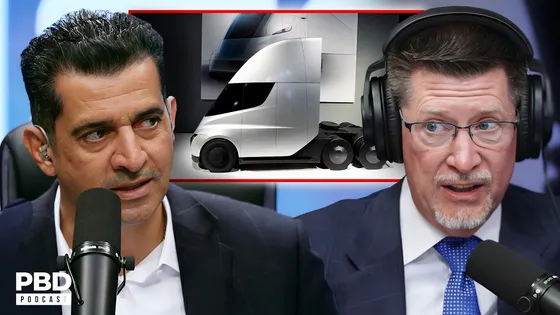
Adam Sosnick says 4 million professional drivers' jobs may not last much longer
The PBD panel turned Elon Musk's Tesla Semi pitch into a warning shot for truckers, Uber drivers, and anyone paid to sit behind a wheel.
The circuit, read weekly. No noise.