Harry Shearer on Spinal Tap, The Simpsons, and the Art of Being Famous in Public
The voice of half of Springfield explains why anonymity on the London Underground is basically the ideal career outcome.
Listen on YouTube
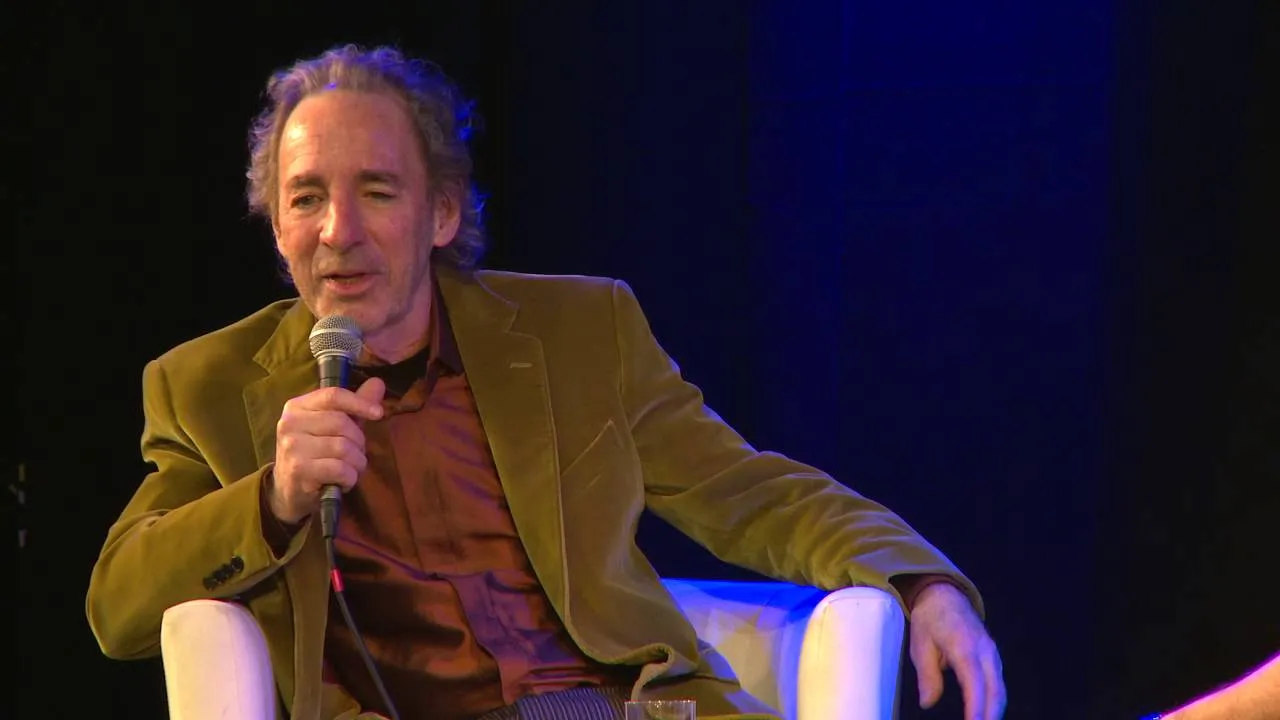 WATCH NOW↓
 Harry Shearer rode the London Underground and nobody said a word to him. Every person on that train had almost certainly spent formative hours with his voice coming out of their television, yet there he stood, just a man on the Tube in nice summer clothes. Richard Herring clocked him and was too nervous to approach. That detail tells you everything about the specific, strange deal Shearer has made with fame, and he is very conscious of having made it.
Fame is worth only one thing really. If you can get to do what you want to do, that’s a use of it. Otherwise it’s crap.
This episode of Richard Herring’s Leicester Square Theatre Podcast is the one you would design in a lab if you wanted proof that the show earns its reputation. Shearer is everything you want a guest to be: opinionated, specific, genuinely funny, and willing to say the quiet part about his own employer out loud. He walked into every Hollywood studio with a twenty-minute Spinal Tap demo, watched executives blink and ask ‘well, what would that be then,’ and spent the next several decades being proven right while those studios went bankrupt. He is not bitter about this, exactly. But he remembers the names.
The Tap, the Whip Pan, and Where It All Went Wrong
Shearer’s argument about Spinal Tap’s legacy is sharper than the usual ‘we influenced everything’ victory lap. Yes, the mockumentary grammar is everywhere now. Yes, Ricky Gervais did magnificent work with it. But Shearer thinks the form has curdled into pure visual habit. The whip pan, that thing where the camera swings to catch whoever just started talking, was originally a document of a real camera operator being surprised. Now it’s just an injection of energy, a tic the machine demands. On the American Office, he points out, the law of averages alone means the cameraman should occasionally already be pointed at the person speaking. He never is. The conceit has become decoration.
We were so absolutely panicked about the reality of that premise and what would and wouldn’t be seen and what would and wouldn’t be, you know, all of that stuff. And we’re giving everybody grief about it because we wanted it to be right.
He tells a story about the Spinal Tap backstage set looking like East Los Angeles gang graffiti instead of actual rock-and-roll dressing room scrawl, and the art director slumping his shoulders before going to the Troubadour to look at what real backstage walls look like. That stubbornness, he says, is how you make something that lasts. It is also, he concedes, how you spend a month in Pittsburgh eating your way through the entire Tambellini family’s mediocre Italian restaurants while a producer and director stay up all night doing cocaine. Both of those things are true. Both of those people are now dead.
On Being Underpaid by the Most Successful Show on Television
The Simpsons material is where Shearer gets to be simultaneously diplomatic and completely unambiguous. He describes the pay dispute in simple logical terms: Fox told the cast they needed a fifty percent pay cut because the show wasn’t making enough money. Shearer offered to take nothing in exchange for a percentage of profits. The answer was no, because apparently that would be sharing too much of the money they just said they didn’t have. When the head of Fox told the New Yorker they could get anyone from any high school campus to do these voices, Shearer noted they could also get anyone from any high school campus to run the Fox network, and had. He does not seem to regret saying that.
I had a shrink once who said the mark of adulthood is that you can contain two different emotions at the same time about the same thing. And the other thing that’s true is compared to other hit television shows and the cast of other hit television shows, we’re seriously underpaid. Both things are true.
Herring is a good host for Shearer precisely because he is not especially cool about it. He fanboys openly, asks about the zucchini wrapped in tin foil from the airport security scene in Spinal Tap with the intensity of a man who has been wondering for thirty years, and gets a genuinely satisfying answer: have you ever worn a courgette inside tight leather trousers next to your sweating thigh? You would wrap it in foil too. Shearer also recalls standing in the wings at the Royal Albert Hall during a Spinal Tap show, walking offstage to have a prehensile tail attached to him, and passing George Harrison crouched in the wings watching the show. He remembers that. He does not remember falling onto his testicles, which Herring’s colleague apparently witnessed and considers the highlight of the evening. Some memories are more precious than others.
The through-line from Jack Benny to Mel Blanc to Derek Smalls to Ned Flanders is not, Shearer insists, a straight line of vocal training and careful craft progression. It is a series of accidents survived by being a moving target. The downside was a very long time before financial stability. The upside is a career that has outlasted nearly everyone who told him what box he belonged in. He is still moving.

Jay Leno says he hid in an NBC closet twice to hear executives decide The Tonight Show
The old late-night villain story gets funnier when Leno describes himself less as a backstabber than as a network sitcom burglar with incredible timing.
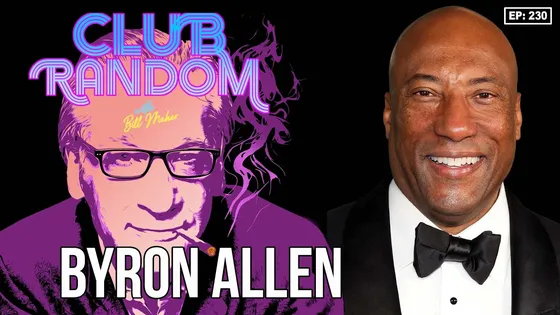
Byron Allen says Johnny Carson let him strike The Tonight Show set for his own show
Allen’s best story on Club Random isn’t about becoming a billionaire, it’s about getting the king of late night to say yes to an absurdly intimate favor.

Jack Whitehall says Channel 4 pulled his show at 11 p.m. because Michael Jackson died after it had a pedophile sketch about him
On Club Random, Whitehall described the sort of pre-smartphone comedy near-disaster that now sounds less like showbiz lore than a deleted scene from Broadcast Standards Hell.

Lisa Kudrow says Sam Kinison was shooting heroin on set while they filmed a sitcom together
The Friends icon drops a genuinely startling piece of TV history buried inside a very pleasant chat about mushrooms and Spartacus.
The circuit, read weekly. No noise.