Megyn Kelly says Natasha Lyonne will die if she doesn't get treatment immediately after Tribeca meltdown
Kelly pulls no punches on the Russian Doll star's onstage appearance, calling it a failure of everyone in her orbit and drawing a direct line to Carrie Fisher and James Gandolfini.
Listen on YouTube · Spotify · Apple Podcasts
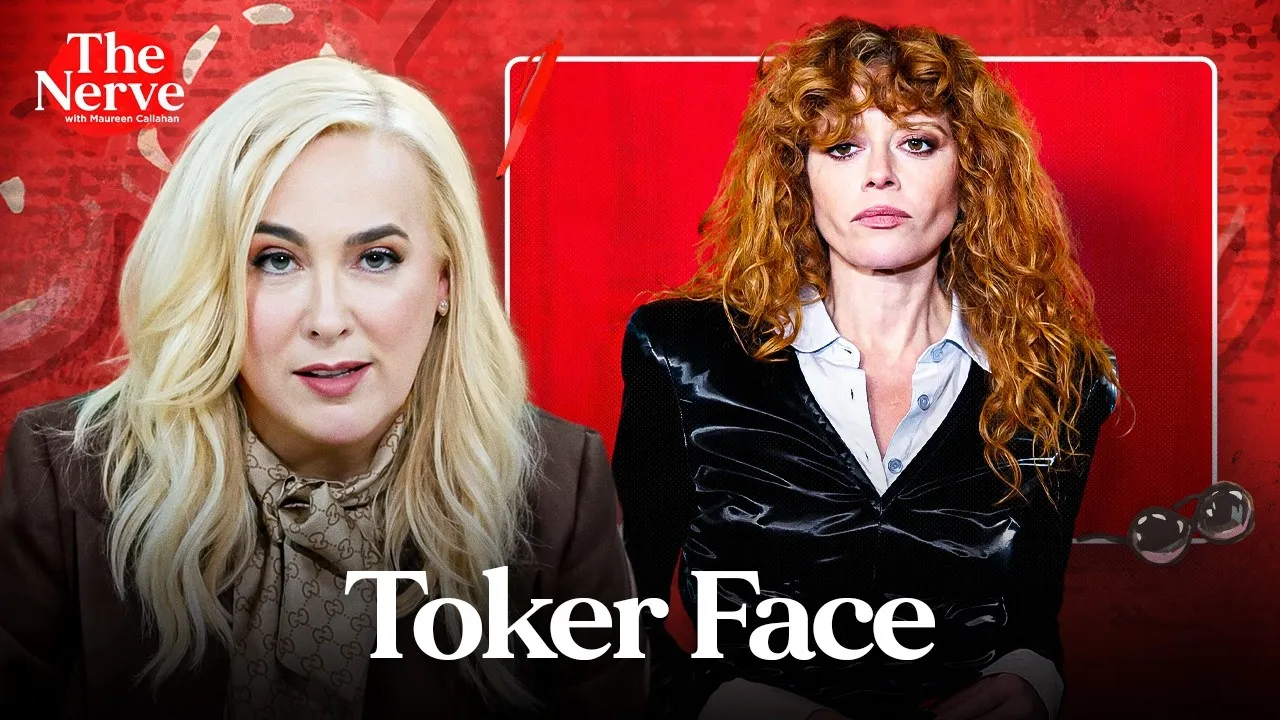 WATCH NOW↓
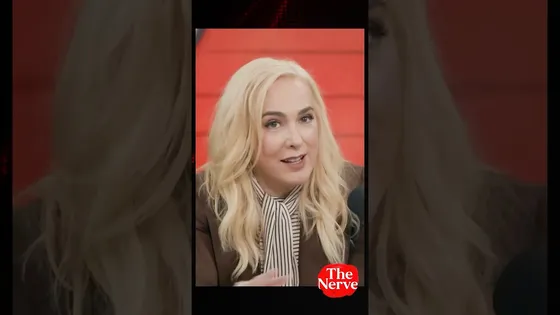
 Megyn Kelly went on her show this week and said Natasha Lyonne is going to die. Not as a metaphor. Not as a rhetorical escalation. She said it plainly: if Lyonne does not get herself into treatment immediately, she will not survive. The provocation was a June 11th appearance at the Tribeca Film Festival where Lyonne got onstage and, by Kelly’s account, was incoherent in front of a live audience and a room full of press who mostly looked away.
Kelly has done this before, placing Lyonne alongside Hayden Panettiere and Amanda Bynes as a kind of informal series on celebrity decline that mainstream entertainment media won’t touch directly. She’s not wrong that trades and glossy profiles tend to go soft on this stuff. But the prognosis she delivers here, the actual ‘she will die’ verdict, is more specific and more willing to be wrong than anything else you’ll hear about Lyonne this week.
The History Is Not a Backstory, It’s a Warning
Kelly walks through the medical record and it is brutal. In 2005, Lyonne was found in Beth Israel Hospital’s intensive care unit under an assumed name, described as suffering from hepatitis C, a heart infection, and a collapsed lung. Seven years later she required open heart surgery. Kelly’s comparison to Carrie Fisher dying of cardiac arrest and James Gandolfini dropping dead of a heart attack is not dramatic overreach. It is the actual documented outcome of the kind of long-term drug use Lyonne has publicly described.
That’s what’s going to happen to this woman.
Lyonne announced her relapse publicly on social media in January, writing ‘Took my relapse public. More to come.’ Kelly reads that last sentence like a ticking clock. ‘There is not going to be any more to come if this woman does not get herself into treatment immediately.’ It is the kind of sentence that sounds alarmist until you read the 2005 hospital report again.
The CBS Sunday Morning Problem
The sharpest part of Kelly’s argument is not the Tribeca clip. It is the one from a year ago, a CBS Sunday Morning profile shot during Lyonne’s Poker Face resurgence, in which Lyonne is asked directly about her drug years and produces an answer so elliptical it barely touches ground.
I guess you’re trying to ask me about my crazy uh drug years and why. And uh I’d say in part I was a little bit curious about why the world was set up the way it was.
Kelly’s response is blunt: ‘I have no idea what being curious about how the world really works has to do with using heroin at age 16. None. Zero.’ She calls it evasive, says the journalist failed, and argues that letting Lyonne present as polished and articulate on a Sunday morning newsmagazine while clearly not in recovery is its own kind of harm. She has a point. Profile journalism about recovery tends to foreground the comeback arc and treat the relapse risk as a past-tense sidebar.
Hollywood has to have a real conversation with itself. And the media, the entertainment media has to have a real conversation with herself because there is no responsible way. There is no excuse for Natasha Leon to have been on that stage at the Tribeca Film Festival in that condition.
Is Kelly right? On the facts, largely yes. The Tribeca appearance was reportedly bad enough that even entertainment reporters who covered the festival noted it without naming it directly. On the diagnosis, she is doing something real journalists aren’t supposed to do: speculating about medical status from video clips. But she’s also the only person on any platform this week saying plainly that someone they believe is in crisis might not make it. That is not nothing. Whether it helps Lyonne is a different question entirely.
Megyn Kelly says Al Roker wears a decent mask and has rage under the surface
Kelly uses Billy Bush's Today show story to turn friendship envy into a bigger theory about suspicious public niceness.
Megyn Kelly says Condé Nast should keep Chloe Malle if it wants Vogue to die
Kelly’s attack is theatrical, personal, and occasionally unfair, but her real target is the soft corporate language now passing for fashion authority.
Megyn Kelly says Jennifer Lopez's True Romance sex list is J.Lo playing a game
Kelly bought Christian Slater as a believable celebrity crush, then bailed the second the list became a whole 1993 movie cast.
Megyn Kelly says Jamie Lee Curtis’s “Los Angeles” pronunciation is an insufferable affectation
A tiny morning-show pronunciation squabble became, in Kelly’s hands, a felony-grade culture crime.
The circuit, read weekly. No noise.