Adam Sosnick says a couple is suing a surrogate for $600,000 because their son with a cleft lip is alive
The PBD panel framed an Ontario surrogacy lawsuit as the nightmare version of designer-baby logic, but the legal story is messier than the moral one.
Listen on YouTube
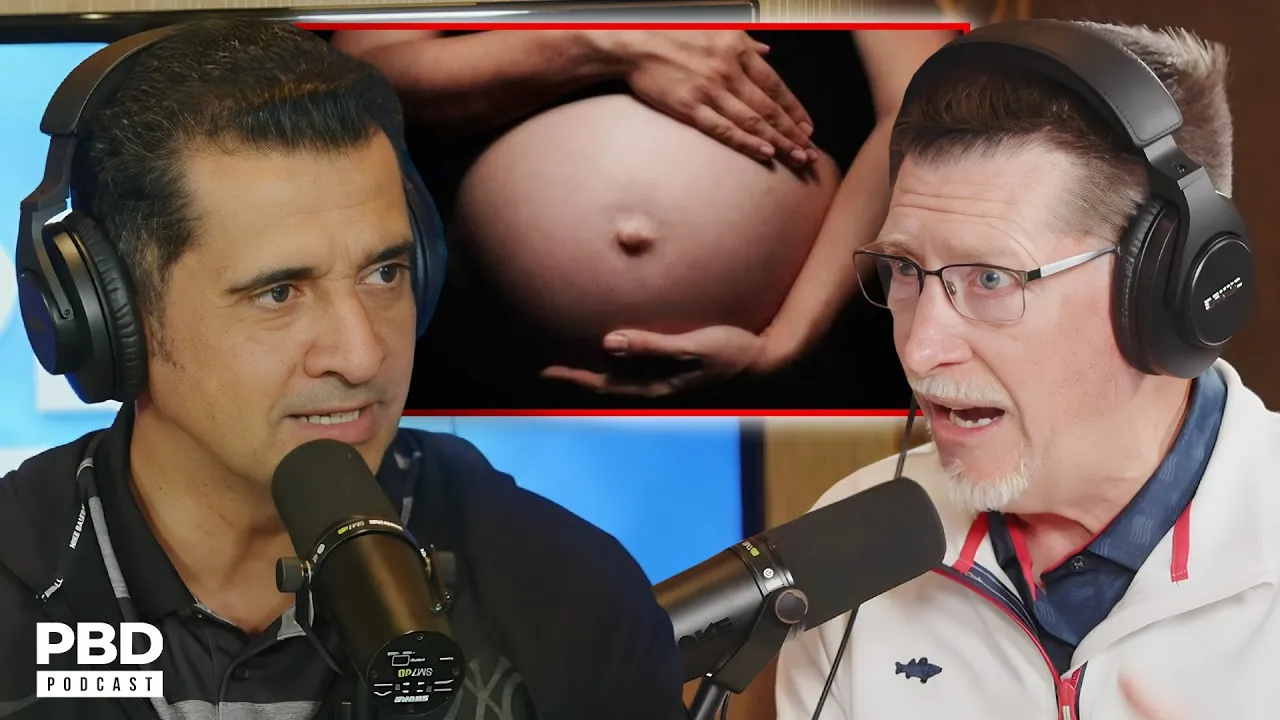 WATCH NOW↓
 The PBD Podcast took a surrogacy dispute and found the sentence most likely to make the internet throw a chair: intended parents allegedly asked for an abortion at 22 weeks after doctors saw a cleft lip, then sued the woman who refused. Adam Sosnick put the panel’s version in its most combustible form, saying the couple was suing because the child they tried not to have is now alive.
And now they’re suing her for 600 grand because the child that they wanted is alive.
That is a hell of a claim. It is also a compression. The story read on the show, attributed to the New York Post, says the lawsuit filed in Ontario Superior Court alleges more than the abortion dispute: inadequate information, endangerment, confidentiality violations, and emotional distress. The filing, according to the panel, does not specify damages, though the surrogate says the couple indicated they were seeking about $600,000.
Still, the reason this clip has legs is not civil procedure. Nobody is rage-sharing a clause about arbitration. The explosive part is the image of a pregnancy treated like a luxury order with a return policy, and the panel knew it.
The panel’s argument: a contract can’t own a baby
Vincent Oshana gave the cleanest version of the pro-life, anti-contract argument. For him, surrogacy may begin with paperwork, sperm, eggs, money, and signatures, but once there is a child, the paperwork loses its moral authority.
But the moment that new life is created, it’s no longer subject to a contract.
That line is why this story is such perfect PBD material. It lets the panel collapse several culture-war anxieties into one case: abortion, same-sex parenting, IVF, disability screening, money, and the fear that modern fertility tech has turned parenthood into shopping. Oshana went straight to the darkest version of that fear, asking when a birth defect became a live-or-die defect.
The facts as read aloud matter here. The ultrasound was at 22 weeks. The concern was a cleft lip, possible cleft palate, and possible minor heart defects. The surrogate allegedly said she would terminate if the child were unlikely to survive, but not for what she considered a largely cosmetic and treatable condition. Mount Sinai Hospital doctors later determined the baby was generally healthy, according to the account.
The coach purse line is crude, and that’s why it lands
Tom Ellsworth reached for history, naming Jesse Jackson, Lee Raymond, possibly Winston Churchill, and even King Tut as examples of people associated with cleft lips or cleft palates. The point was not a medical seminar. The point was that human worth cannot be scanned, sorted, and rejected at the first sign of imperfection.
when you turn having a child into buying a coach purse that oh this one’s got a can I get a discount? This one’s got a little defect on it.
Crude? Yes. Effective? Also yes. It is the kind of analogy that would make a bioethicist reach for a red pen and a Facebook uncle reach for the share button. But it captures the panel’s central fear about reproductive ethics: if prenatal screening becomes consumer satisfaction, then the disabled child becomes the damaged product.
The problem is that the panel sometimes turns a hard case into an easy villain script. Sosnick repeatedly emphasizes that the intended parents are gay, in a way that does no analytical work beyond making the story hotter for the room. A heterosexual couple asking the same thing would raise the same brutal ethical question. The gayness is not the moral mechanism. The alleged demand to abort over a treatable defect is.
Patrick Bet-David doesn’t want a narrower rule. He wants a ban.
Patrick Bet-David did not nibble around the edges with better contracts, clearer consent, or stricter arbitration rules. His answer was prohibition.
Simplest way to do it. Don’t allow it. Simplest way to do it is don’t allow it.
That is the real takeaway. Not just that this particular lawsuit is ugly, though it is. Not just that abortion over disability raises terrifying questions, though it does. Bet-David is using the case as Exhibit A for a much broader claim: commercialized reproduction creates situations no contract can morally survive.
His verdict is cleaner than the law and harsher than many listeners will accept. Surrogacy can create families where pregnancy otherwise isn’t possible, and that fact is not a footnote to the people living it. But this case, as described by the panel, is exactly the nightmare opponents point to when they argue that once babies, contracts, and prenatal quality control occupy the same sentence, someone is going to start sounding like customer service.
If the panel’s framing is right, the stake is not just one lawsuit in Ontario. It is whether a future surrogate can be contractually pressured, financially punished, or legally terrorized for refusing an abortion she believes crosses the line.
- What did the PBD panel say happened in the surrogacy case?
- They said a Canadian couple requested an abortion after a 22-week ultrasound suggested a cleft lip, possible cleft palate, and minor heart defects. The surrogate refused because she believed the conditions were treatable and not life-ending. The child was born and is now 2 years old, and the surrogate says the intended parents later pursued a lawsuit worth roughly $600,000.
- Is the lawsuit really only about the surrogate refusing an abortion?
- Not exactly, at least based on the facts read aloud. The panel said the Ontario lawsuit alleges the surrogate failed to keep the parents informed, endangered the child, violated confidentiality, and caused emotional distress. The abortion refusal is the moral engine of the panel's outrage, but the legal complaint appears broader.
- What position did Patrick Bet-David take on surrogacy?
- Bet-David's answer was blunt: don't allow it. He said he has never been comfortable with people obtaining babies through arrangements like this, and the case only hardened that view.
Adam Sosnick says the Lindsay Clancy case is the new prenup
The PBD panel turned the Clancy mistrial into a brutal dating question, and the answer they want is not subtle.
Vincent Oshana says Christopher Nolan's The Odyssey has no Greek actors in major roles
The PBD Podcast liked Nolan's Homer epic, but Oshana couldn't get past the weirdest casting detail: a Greek story with almost no Greek presence.
Patrick Bet-David says the Pepsi jet lawsuit guy finally got 7 million Frontier miles
Frontier turned John Leonard's impossible Harrier jet prize into a Super Bowl bit, and the PBD crew correctly clocks the real winner, the airline's marketing department.
Patrick Bet-David says a $300,000 AI UBI would make most people miserable
A Ford AI quality-control story turned into Bet-David’s bigger anti-utopia: money without resistance is not freedom, it’s spiritual mush.
The circuit, read weekly. No noise.