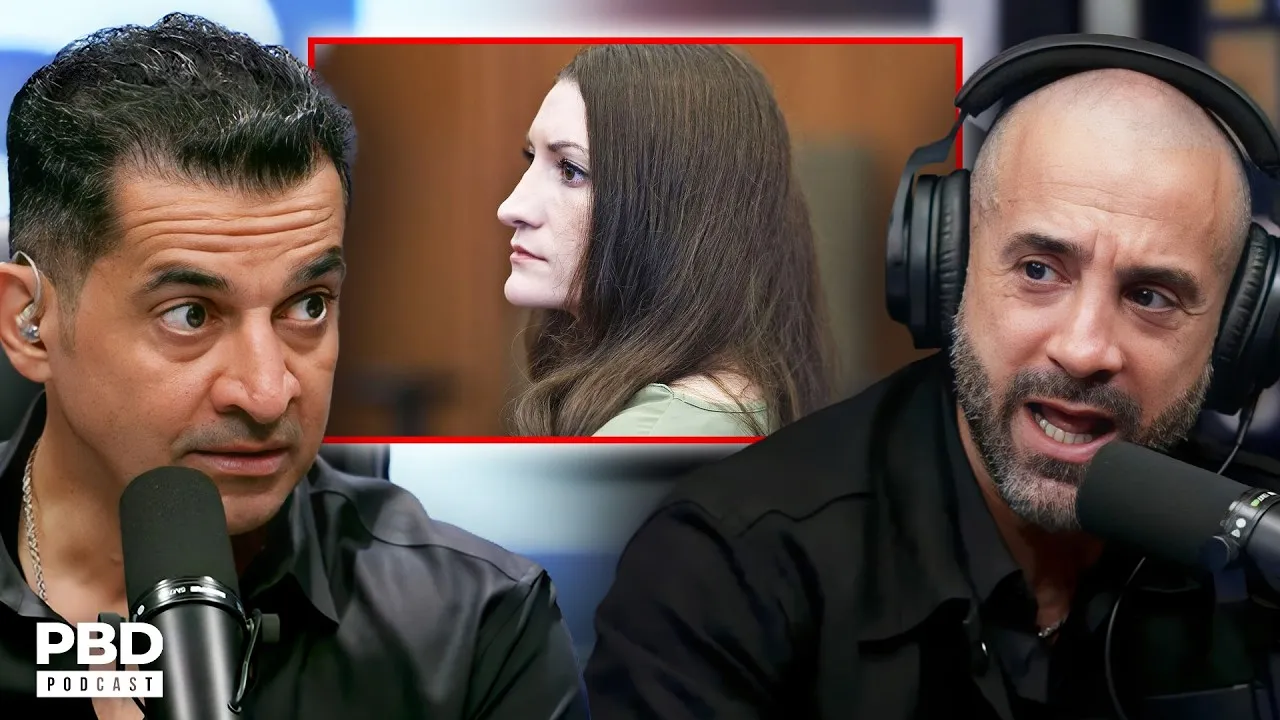
Adam Sosnick says the Lindsay Clancy case is the new prenup
The PBD panel turned the Clancy mistrial into a brutal dating question, and the answer they want is not subtle.
Listen on YouTube
 WATCH NOW↓
 Adam Sosnick has found a new romance killer, and it is not debt, cheating, or your boyfriend saying he is “just asking questions” about raw milk. On PBD Podcast, Sosnick said the Lindsay Clancy case is basically the new prenup, a test couples should pass before marriage, kids, vacations, babysitters, or apparently shared oxygen.
بطريقة غريبة، قضية ليندسي كلانسي هي النسخة المحدثة من اتفاق ما قبل الزواج.
That is the real product of this episode. Not the legal explainer. Not the clip package. Not another round of cable-news-adjacent yelling about liberals, MAGA, Massachusetts, or the judge. The panel took a hung jury in a horrifying child-killing case and turned it into a domestic compatibility quiz: What do you think about Lindsay Clancy?
According to the panel, the jury split 11 to 1 on whether Clancy should be held criminally responsible, with one juror refusing to budge. The case, as they frame it, hinges on whether postpartum psychosis explains or excuses her actions. The PBD crew’s answer is loud, furious, and not especially interested in gray zones: no.
The case became a parenting Rorschach test
Patrick Bet-David pushed the thought experiment into social life. Imagine a family vacation, he said. You have small children. You learn that another parent in the house thinks Clancy is innocent. Do you still go?
لا توجد فرصة لأسمح لتلك المرأة بالاقتراب من أطفالي.
That line is why the clip travels. It is simple, viciously practical, and almost designed for a comments section. You can debate criminal statutes all day, but “Would you let this person near your kids?” is the kind of question that turns brunch into a deposition.
Bet-David then widened the circle: playdates, babysitters, schools, camps, relatives, friends’ wives, future spouses. The position hardened into a rule. If someone says Clancy is not guilty, PBD says the relationship becomes shallow at best. Polite nods. No vacation house. No playdate. No access.
هذا ليس رأياً سياسياً . هذا يتعلق بسلامة أطفالي.
The take is sharp. The logic gets messy.
The strongest version of the argument is not hard to understand. If a person hears the facts as presented here and responds with reflexive sympathy for Clancy rather than horror for the children, that tells you something. It may tell you they are sentimental, ideological, misinformed, or simply incapable of saying an obvious thing out loud.
But the panel does what panels do when the blood is up: it collapses categories. Believing a mental illness defense deserves legal review is not the same as thinking child murder is fine. Thinking postpartum psychosis is real is not the same as declaring every mother a ticking time bomb. And saying the state must prove criminal responsibility beyond a reasonable doubt is not, despite the room’s energy, an endorsement deal with evil.
The episode also throws around political guesses like confetti. One panelist speculates that more than 80 percent of liberal women support Clancy, then the room argues the number down. There is no evidence offered for any of this. It is vibes wearing a blazer. Still, the fact that they argue the percentage at all says something about where the case has gone. It is no longer just a courtroom story. It is a proxy war over motherhood, feminism, mental illness, punishment, and whether compassion has a kill switch.
ولا توجد سوى إجابة واحدة مقبولة. ما فعلته مقزز. أنا أدين ذلك تماماً. لن أفعل شيئاً كهذا في حياتي أبداً.
As relationship advice, the “new prenup” line is grimly effective. Ask the question. Listen carefully. If the answer wanders into abstraction before it can name the dead children, that tells you plenty.
- What did Adam Sosnick mean by calling Lindsay Clancy the new prenup?
- He meant that couples should ask each other what they think about the Clancy case before marriage or children, the way they might once have negotiated money and divorce. To him, the answer exposes whether someone shares your baseline instincts about protecting kids.
- Was the PBD panel arguing about the mistrial or about relationships?
- Both, but the viral hook is the relationship test. The panel starts from the hung jury and the postpartum psychosis defense, then turns the case into a question about who you would trust around your children, your spouse, and your home.
- Is the claim fair?
- As a dating prompt, it is unnervingly effective. As legal analysis, it is sloppy, because believing mental illness should be weighed in court is not the same thing as celebrating the killing of children. The panel treats that distinction like a speed bump.
Adam Sosnick says a couple is suing a surrogate for $600,000 because their son with a cleft lip is alive
The PBD panel framed an Ontario surrogacy lawsuit as the nightmare version of designer-baby logic, but the legal story is messier than the moral one.
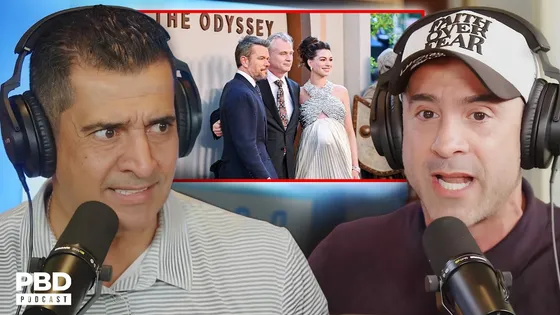
Vincent Oshana says Christopher Nolan's The Odyssey has no Greek actors in major roles
The PBD Podcast liked Nolan's Homer epic, but Oshana couldn't get past the weirdest casting detail: a Greek story with almost no Greek presence.
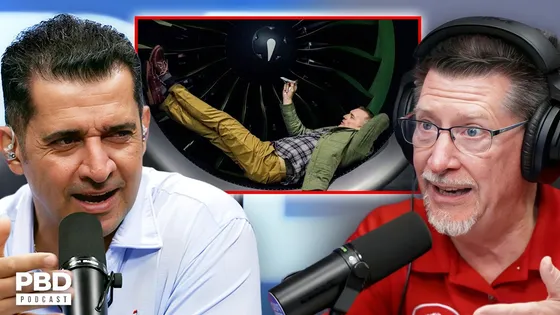
Patrick Bet-David says the Pepsi jet lawsuit guy finally got 7 million Frontier miles
Frontier turned John Leonard's impossible Harrier jet prize into a Super Bowl bit, and the PBD crew correctly clocks the real winner, the airline's marketing department.

Patrick Bet-David says Tucker Carlson is going to run for president after rejecting the Republican Party
PBD reads Carlson's Republican breakup less as a purity stand than a 2028 audition, and his own panel doesn't buy the martyr act.
The circuit, read weekly. No noise.