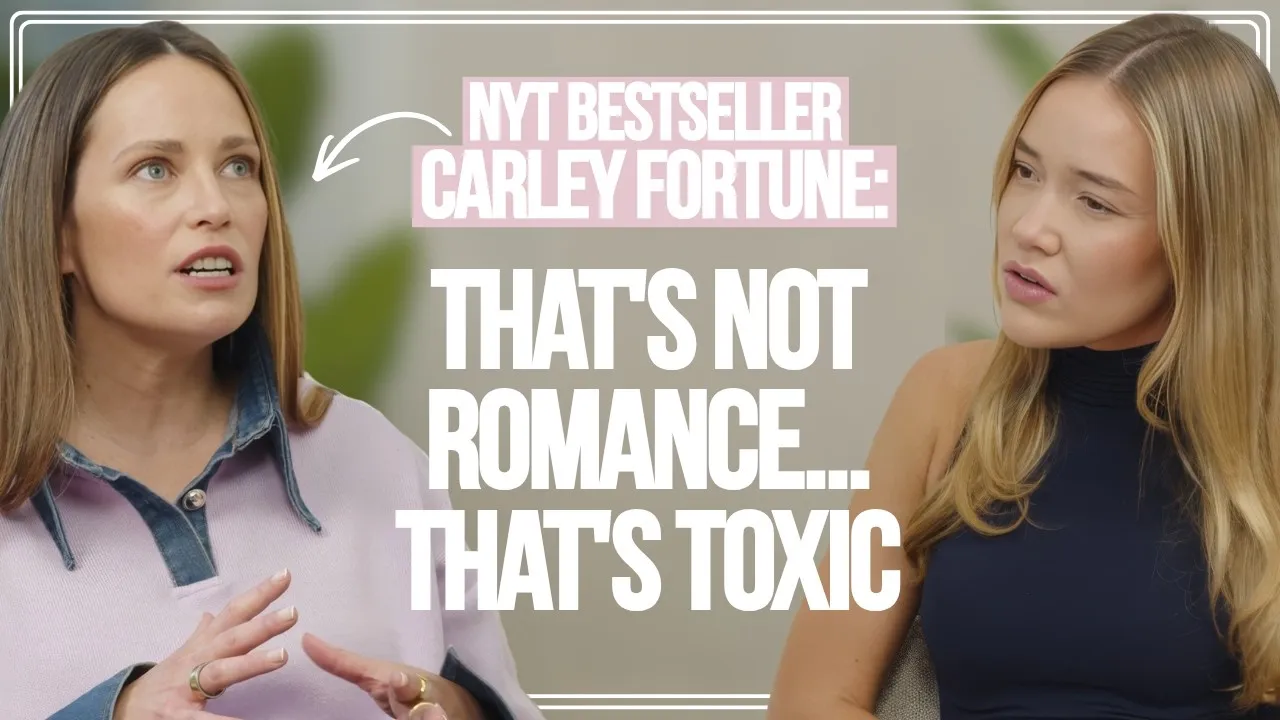
Carly Fortune says George didn't set out to wreck Frankie's wedding in Our Perfect Storm
The romance novelist gives George an alibi for the book's messiest twist, though the man is still not exactly getting a civic medal.
Listen on YouTube · Spotify · Apple Podcasts
 WATCH NOW↓
 For anyone who closed Our Perfect Storm ready to put George on trial, Carly Fortune has entered a plea: he did not set out to wreck Frankie’s wedding. He may be guilty of having catastrophic timing, drunk honesty, and a best-friend complex visible from space, but Fortune says premeditated sabotage is not the charge.
That matters because the twist in Our Perfect Storm is exactly the kind of romance-novel grenade that makes readers start litigating fictional ethics like they’re on a jury sequestered with only iced coffee and Goodreads. Frankie wakes up on her wedding day to a letter from Nate saying he can’t do this. Later, the gut punch arrives: George, her lifelong best friend, told Nate he’d love and know Frankie in a way Nate never could. If this happened in real life, you would not be calling it yearning. You’d be calling your group chat.
I don’t think so to me um like George has kind of spent his whole life um loving Frankie in different ways and he I believe in the way that I was thinking about him writing this just truly wanted to help his friend.
George is guilty, just not of the cleanest crime
Fortune’s defense of George is not that he behaved beautifully. It’s that he didn’t walk into the wedding weekend with a binder labeled Operation Steal Bride. In her version, George is a man who has been white-knuckling his feelings for years, then fails at exactly the worst possible moment. Romance needs that distinction. Real life might not care.
The useful part of Fortune’s answer is that she pushes the agency back onto Nate. George says the devastating thing. Nate decides what to do with it. This is a neat bit of authorial triage, and, honestly, it works better than making George the moustache-twirling architect of Frankie’s abandoned wedding. It keeps him forgivable, which is the whole ballgame in romance novels. Readers can accept a beloved idiot. They revolt against a strategist.
George was not intending to throw a wrench in the plans at all. And it was never his aim. And it really like the decision to um not get married was Nate’s decision.
This is also Fortune showing her math. George can be forgiven because by the time readers learn what he said, they’ve already watched him care for Frankie. The book has spent pages making the case that his love is patient, familiar, and woven into her life. That doesn’t make the wedding-night confession noble. It makes it narratively survivable. Big difference.
Fortune doesn’t build from tropes, which explains the mess
The cleaner, more revealing answer came when Olivia Ponton asked whether Fortune starts with the trope or the storyline. Fortune said neither. For an author routinely filed under beach read, friends to lovers, second chance, slow burn, and whatever else the algorithm needs to chew, that’s a useful corrective. She starts with place.
neither comes first. The setting always comes first for me. Yes, it’s the setting
That answer gives Our Perfect Storm its real skeleton. Tofino, the remote Vancouver Island town where rainforest meets beach, isn’t just a pretty backdrop for longing in a wet suit. Fortune says she had wanted to write about the place for years and was waiting for a story with enough drama to match it. The storm comes first. The people walk into it.
It also explains why the novel’s emotional weather includes whales, maternal resentment, a botched wedding, and a honeymoon repurposed into a breakup recovery plan. The book isn’t simply friends to lovers with a scenic upgrade. It’s a place pushing everybody into awe, confession, and bad decisions. The best Carly Fortune settings behave like that one friend who says, innocently, ‘So are we going to talk about what happened?‘
The adaptation note is the other fan-service flare
Fortune also talked about the coming Every Summer After series, retitled Every Year After for Prime, and why she wanted to be an executive producer. Her priority is the obvious one, but it’s still the one fans obsess over: keep the emotional core, keep the lines that feel like secret handshakes, and don’t flatten a beloved book into generic lake-house content.
adaptation is not taking a book and putting it on the screen.
That is the mature answer. The immature answer, which is also correct, is that readers want their little winks. Fortune knows this. She talked about making sure scripts preserve moments fans will recognize, not because an adaptation should become a scavenger hunt, but because fandom is built on the thrill of pointing at the screen and whisper-yelling, ‘That’s from the book.’
Still, the George answer is the one readers will fight about. Fortune has given him intent, not absolution. He didn’t plan the breakup. He did help create the conditions for it. If you’re Team George, congratulations, your man has been cleared of conspiracy. If you’re Team Nate, you still have plenty to work with.
the decision to um not get married was Nate’s decision.
- Did George plan to ruin Frankie and Nate's wedding in Our Perfect Storm?
- Carly Fortune says no. Her read is that George had loved Frankie in different ways for years, but he didn't go into the wedding trying to detonate it. The guilt belongs in a grayer zone, because George still said the kind of thing no groom wants to hear the night before marrying someone.
- Why did Nate leave Frankie before the wedding?
- Fortune frames Nate's choice as his own reaction to what he learned from George. George's drunken confession mattered, but Fortune is careful to say Nate used that information and made the decision not to marry Frankie. That makes the twist less secret-mastermind and more emotional chain reaction.
- Does Carly Fortune start her books with tropes?
- No. Fortune says the setting comes first, then the female protagonist, then the relationship and emotional arc. The trope label arrives later, which explains why her books feel built around a place before they feel built around a BookTok shelf tag.
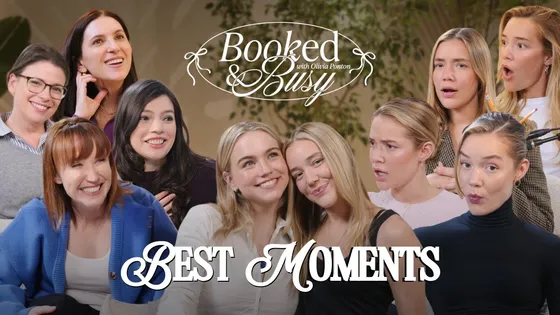
Rebecca Serle says In Five Years came from a psychic love prophecy that was off by one day
Serle’s origin story for In Five Years is either fate, marketing gold, or the cleanest possible explanation of why her novels feel like destiny with a trapdoor.
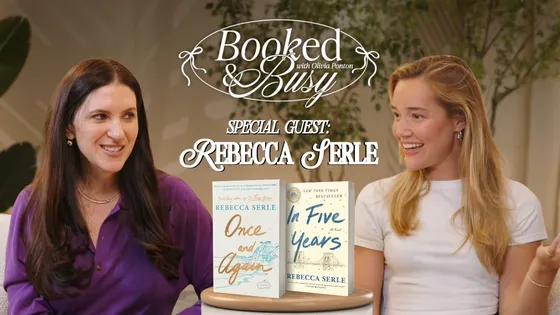
Rebecca Serle says In Five Years came from a psychic who predicted her future husband’s name and timing
The novelist’s fate-obsessed bestseller has a very on-brand origin story, though it works better as literary fuel than as evidence for the supernatural.
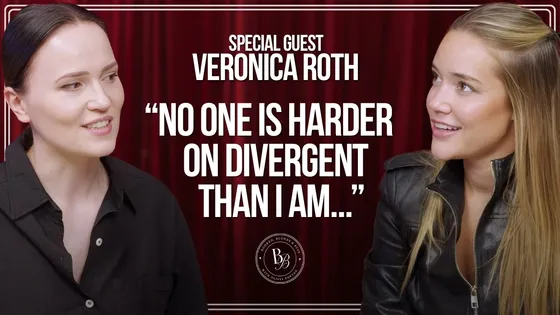
Veronica Roth says she never finished 'The Hunger Games' because the violence is too emotionally difficult
The architect of the 'Divergent' universe admits she tapped out of her rival dystopian franchise because it was just too bleak.
Kier Gaines says Xaden's protection in Fourth Wing is still manipulation
The licensed therapist gave BookTok's favorite brooding protector the clinical side-eye, and honestly, he earned it.
The circuit, read weekly. No noise.