Douglas Brunt says Stalin’s erasure of Immanuel Nobel inspired George Orwell’s 1984
Brunt makes the case that the forgotten Nobel oil empire was not just a business story, but a prototype for Orwellian erasure.
Listen on YouTube · Spotify · Apple Podcasts
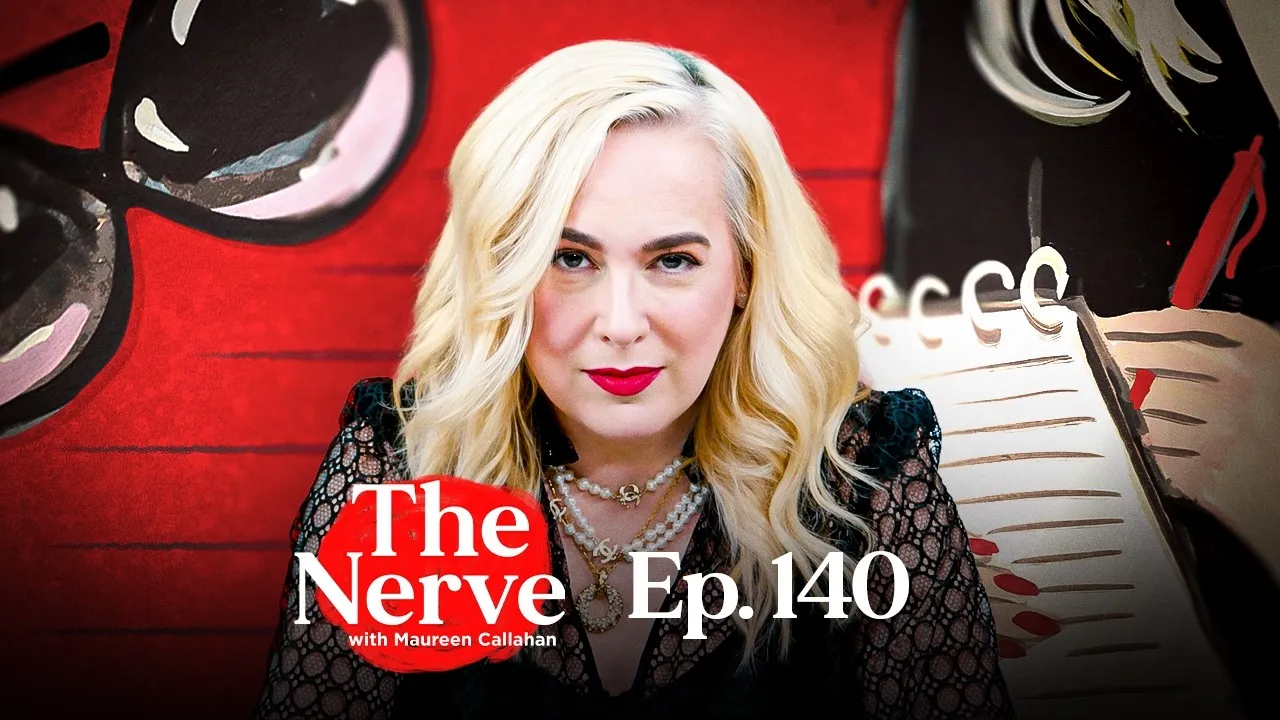 WATCH NOW↓
 The sexiest sentence in this episode is not about Meghan Markle’s candles, Euphoria’s snake nightmare, or Carson Daly drinking beer out of a shoe. It’s Douglas Brunt saying that Stalin’s erasure of Immanuel Nobel, a nearly forgotten oil baron, helped inspire George Orwell’s 1984.
That’s a big swing. Not “history is full of forgotten men,” not “oil shaped the 20th century,” both true and both slightly dad-book jacket copy. Brunt’s claim is sharper: the Soviet campaign to wipe Nobel out of the record is one of the real-world moves behind the most famous fictional manual of state-sponsored lying ever written.
By World War I, he had the biggest oil company in the world, bigger than Rockefeller’s Standard Oil.
Brunt is on to promote The Lost Empire of Immanuel Nobel, which means, yes, the man has a horse in this race, and the horse is wearing a tasteful hardcover jacket. But the reason the claim lands is that it turns the Nobel name inside out. In the West, Nobel usually means prizes, dynamite, Swedish seriousness, the kind of prestige people invoke when they want to make a banquet sound like homework. Brunt is talking about Alfred Nobel’s nephew, Immanuel, who built a Russian oil empire and then disappeared from popular memory.
The Rockefeller-sized ghost
And what Stalin did to Immanuel Nobel is the inspiration for George Orwell’s 1984.
Maureen Callahan’s response was the correct one: stop. Because that sentence takes a dusty industrial biography and suddenly makes it smell like Room 101. Brunt says Nobel’s company was nationalized after the Russian Revolution, renamed, and folded into the Soviet story so completely that the original capitalist titan vanished from the picture.
There’s a passage in the book that talks about changing the street names and tearing down the statues and rewriting the history.
This is where the claim is strongest. Orwell did not need Immanuel Nobel specifically to understand totalitarian memory control. The Soviet habit of airbrushing enemies, renaming institutions, and making yesterday’s facts illegal was hardly a secret by the time 1984 arrived. So if Brunt means Nobel was the singular key that unlocked George Orwell, that needs more evidence than a podcast answer can carry.
If he means Nobel’s destruction was one concrete case of the Soviet historical vandalism that Orwell turned into fiction, that’s much more plausible. And more interesting, frankly. The point is not that 1984 has a secret Easter egg hiding in an oil ledger. The point is that Big Brother’s most frightening trick, making a person or fact impossible to remember, was not science fiction. It was business policy with a secret police aftertaste.
Oil, not ideology, is the plot
Brunt also gives the Nobel story a blunt engine: energy. Not vibes. Not destiny. Oil. He frames Nobel’s rise along the Caspian Sea as part of the first modern struggle over petroleum, the kind of contest that makes empires start speaking in maps and casualty numbers.
the quest to capture our sources of energy is the story of our times.
That’s the cleanest version of Brunt’s pitch, and the part that feels least like authorial inflation. World War I made petroleum newly urgent. Mechanized war needed fuel. Nobel had a lot of it. Stalin got there. History, as usual, followed the money while pretending to follow the manifesto.
The funny thing about an episode that spends plenty of time dunking on celebrity delusion is that its best claim belongs to a dead industrialist most listeners probably couldn’t have named five minutes earlier. Meghan’s candles are expensive. Sam Levinson’s imagination sounds like a workplace complaint waiting to happen. But Brunt’s Immanuel Nobel claim has the better afterlife, because it sends you to the search bar with a real question: was one of the richest oilmen in the world edited out so thoroughly that we only recognize the nightmare when Orwell fictionalized it?
- Did Immanuel Nobel inspire George Orwell’s 1984?
- Douglas Brunt says Stalin’s treatment of Immanuel Nobel was an inspiration for Orwell’s 1984. That is a fascinating and very Googleable claim, but the safer reading is that Nobel’s erasure fits the Stalinist machinery Orwell was writing against, rather than proving a single-source origin story for the novel.
- Who was Immanuel Nobel?
- Brunt describes Nobel as Alfred Nobel’s nephew and a major oil industrialist whose company became bigger than Rockefeller’s Standard Oil by World War I. His new book argues that Nobel’s name vanished in the West because Soviet power deliberately paved over his legacy.
- Why does Brunt say Stalin erased Nobel?
- Brunt’s version is brutally simple: oil. Nobel controlled a huge petroleum empire along the Caspian Sea, and after the Russian Revolution, Stalin’s system nationalized the business, renamed it, and rewrote the public memory around it.
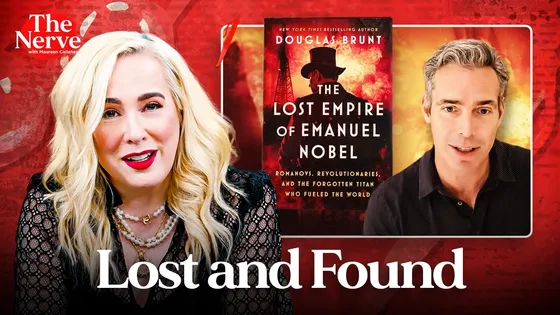
Doug Brunt says Stalin’s erasure of Immanuel Nobel inspired George Orwell’s 1984
Brunt’s claim is a great lost-history grenade, though his Stalin-to-Orwell line compresses a messy Soviet story into one very TV-ready villain.
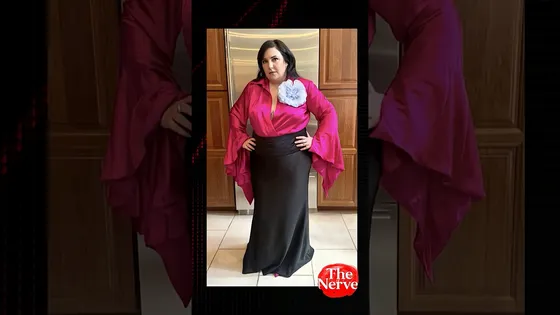
Maureen Callahan says Lena Dunham’s wedding outfit looked like “a big semen dump”
The line is gross, specific, and built to travel, but the bigger claim underneath it is the old Lena Dunham discourse in a new corsage.
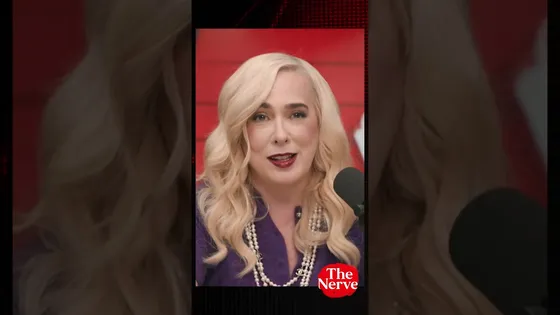
Maureen Callahan says Keri Russell embarrassed her children by talking about sex with Matthew Rhys
Callahan turned a flirty Keri Russell anecdote about The Americans into a prosecutorial brief on celebrity oversharing, with the kids as Exhibit A.

Maureen Callahan says Kelly Clarkson’s Art of Play feud was really about not being Brooklyn-cool enough
Callahan’s verdict on the Brooklyn toy-store dust-up is funny, class-coded, and probably more persuasive than Art of Play would like.
The circuit, read weekly. No noise.