Howie Mandel says a clipped hand-job joke cost him a fortune
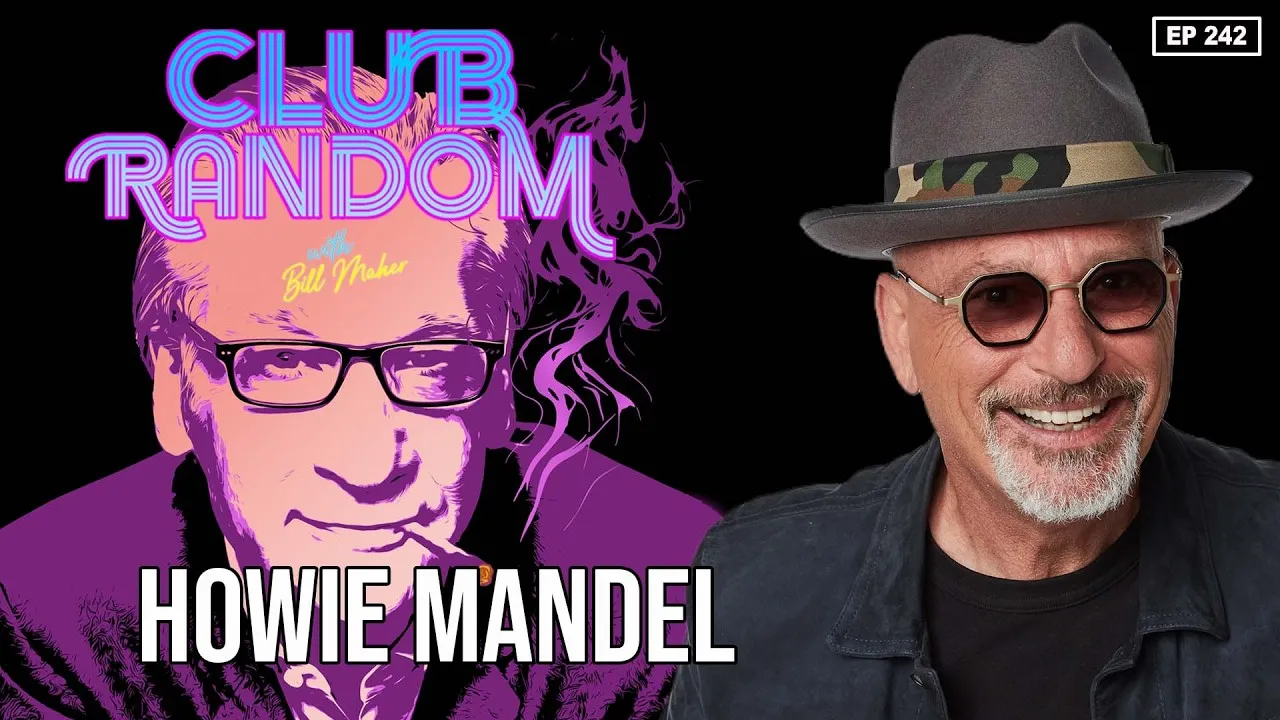
Mandel told Bill Maher that a joke clipped out of context made a brand walk away, which explains why the Comedy Store feels safer to him than the internet.
Listen on YouTube
 WATCH NOW↓
 Howie Mandel says a clipped bit about getting $25 hand jobs cost him a fortune, after a sponsor or campaign treated the joke like a confession. The funny part is that Mandel, of all people, knows the exact physics of contamination, only here the germ was a vertical video.
On Club Random, Mandel told Bill Maher that the offending story came from his act. He was on his own podcast with an OnlyFans creator, the talk got adult, and Mandel launched into a fake bit about going to the same woman for years for hand jobs. His daughter was sitting there. The guest, he said, did not seem to get the joke. Then the clip farmers got to work, which is like saying the raccoons found the trash can.
I lost a fortune in a in a campaign. I’m not going to mention the company or anything. They walked away from me.
That is the claim, and it is exactly specific enough to sting while staying just vague enough to be unprovable. Mandel does not name the company. He does not give a dollar figure. He does not produce the brand-safety email. So the verdict is not, case closed, Howie was wronged by a cowardly corporation. The verdict is more annoying and more believable: this is precisely how modern celebrity advertising works. Nobody has to fire you loudly. They can just quietly decide that the man from America’s Got Talent is suddenly too anus-adjacent, too hand-job-adjacent, too much trouble for the office furniture people.
The Comedy Store is his panic room
Mandel kept returning to one idea: he needs rooms where a joke can die in private. He praised the Comedy Store not as a nostalgic shrine, though there was plenty of that, but as a legal sanctuary for comic risk. No phones. No clip farms. No one turning a setup into a headline while the punchline is still looking for parking.
I love the idea that I can go to the [ __ ] edge and jump off. And sometimes I I end up in the abyss and there’s no way out.
Maher, naturally, filed the hand-job story under cancel culture. He also tried to talk Mandel off the ledge by reminding him that he is rich, famous, 70, beloved, and unlikely to be reduced to Uber driving because someone misunderstood a tug joke. This is Maher’s favorite lane: cranky uncle libertarian therapy. Be offensive if the joke is funny. Let the offended sort themselves out in the parking lot.
Mandel’s answer was more interesting because it was less heroic. He was not doing the comic martyr routine. He was not pretending to be Lenny Bruce with a Skechers deal. He sounded genuinely, physically distressed by the idea of making somebody else uncomfortable, which is a strange and revealing place for a professional comic to live. His natural habitat is the stage. His nervous system would apparently prefer a hermetically sealed room with the TV on.
I really am concerned with how I affect others. If I offend you, that’s kind of offensive to me.
The prolapsed anus was apparently bad for office furniture
The hand-job clip was not even Mandel’s only example. He also told Maher that during COVID he posted a picture he did not understand, captioned it like a pandemic symptom joke, and only later learned it was a rectal prolapse. This is the kind of sentence that makes a publicist stare at the ceiling for a full minute.
I just posted it and I and I wrote, is this COVID related?
Mandel said his son called and told him to take it down. The next day, he claimed, he lost a Canadian office-furniture account. Again, no company name. Again, impossible to verify from the room. Again, completely plausible in the gutless swamp of brand partnerships, where a company can happily rent a comedian’s likability but panic the second the comedy comes with fluids.
What makes the story land is that Mandel is not a fringe edgelord trying to cosplay as dangerous. He is a prime-time judge on America’s Got Talent, the smiling guy grandmothers and kids watch while jugglers, singers, magicians, and contortionists try to change their lives in ninety seconds. He knows the value of being safe. He also knows that the version of himself that got famous was never actually safe.
Maher pushed him toward a grander freedom. At 70, he argued, Mandel should trust that people know who he is. Mandel pushed back with the quieter truth: knowing you’re probably fine does not stop the sweating. He literally started sweating as the taping wound down, because once the riffing stopped, the rumination could move in.
That is why the campaign story is better than the usual celebrity complaint about being misunderstood. Mandel is not asking to be declared brave. He is describing the bad math of comedy now: one joke, one clip, one brand meeting, one check gone. If he’s right, the stake for comics is not whether they can still say anything. They can. The question is whether they can survive the 14-second version of what they said.
I just want I don’t want to offend. I just want you to smile and I just want you to be better. Feel okay having spent a moment with me.
- What joke did Howie Mandel say cost him money?
- Mandel said he told a staged bit about getting $25 hand jobs while appearing with an OnlyFans creator on his podcast. The joke was clipped so it looked like a straight confession, and he says a company walked away from a campaign afterward.
- Was Howie Mandel saying the hand-job story was real?
- No. He told Bill Maher the massage-parlor story was material from his act, not a real admission. His complaint was that the clip economy flattened the joke into a scandal.
- Why does Mandel say he still needs places like the Comedy Store?
- For Mandel, the Comedy Store is one of the few places where he can push a bit without worrying that a stray sentence will become a sponsor-threatening clip. That is also the bleak comedy of the whole thing: a 70-year-old professional joke machine feels freer in a club than on his own podcast.
Bill Maher says his high school talent show was canceled after he stole a risqué Johnny Carson joke
Maher’s first cancellation story is less a free-speech epic than a very on-brand origin myth: a teenage comic, a Carson bit, and a room full of parents who were not having it.
Kevin Spacey says he would have been benched for just seven games if he were an athlete
The actor tells Bill Maher his nine-year Hollywood exile is deeply unfair compared to the leniency shown in professional sports.
Kevin Spacey says Netflix is shelving Gore, a completed Gore Vidal movie he calls one of his best films
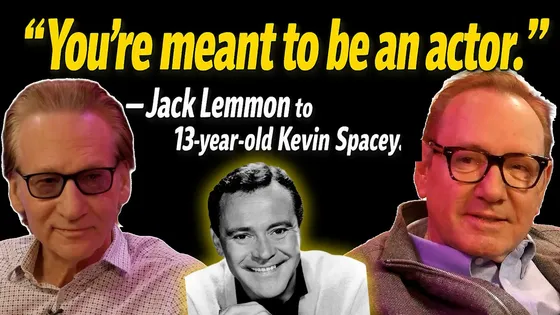
Spacey told Bill Maher that Netflix should release or give up the finished Gore Vidal film, and he made the pitch with maximum self-interest and one genuinely sharp point.
Kathy Griffin says she hasn't been in the black for six years since the Trump head photo
On Club Random, Griffin makes the cancellation sound less like a scolding and more like a long, expensive layoff with lawyers.
The circuit, read weekly. No noise.