John Mulaney Bought Too Many Snacks for David Byrne and Other Confessions From the Sack Lunch Bunch
At the 92nd Street Y, Mulaney, co-writer America Ferrera, director Reese Mishler, and composer Eli Bolin explained how a Netflix children's special got made on four days of budget, zero days of certainty, and one emergency Pedialyte.
 WATCH NOW↓
 John Mulaney, right before David Byrne walked into his apartment, chugged an entire Pedialyte. He had laid out snacks nobody would touch. He had practiced playing the demo through the Sonos system. The director was watching on Skype from Wales, off camera, unannounced. And then Byrne walked in with a denim bike helmet and a bicycle, sat down, listened to the whole very long demo in silence, pulled out his appointment book, and wrote down a date. That is how you make a children’s special.
The 92nd Street Y conversation, hosted by Seth Meyers, was ostensibly a post-screening Q&A for John Mulaney and the Sack Lunch Bunch. What it actually was is something rarer: a genuinely funny making-of story, told by people who were scared the whole time and did it anyway. Mulaney, Ferrera, Mishler, and Bolin reconstructed the whole chaotic project from its origins in long Central Park walks where they never quite landed on what the thing was, to a production that doubled its budget and shoot days after Netflix agreed to basically start over.
Nobody Could Explain What It Was
The original idea, Mulaney admitted, was a live sketch show performed in a school gymnasium at 8:30 and 11:30, like SNL but with children. Ferrera killed it somewhere around the Bethesda Fountain. What replaced it was something that resisted description for months. They kept walking, kept drinking coffee, kept not arriving anywhere. When Mulaney finally met Andre De Shields to pitch the tutor character, he gave up mid-sentence.
I don’t know what I’m doing, but I know that the tutor is he’s not a liar. He’s a snake oil salesman. He’s a false prophet who accidentally saves your soul.
De Shields, apparently, loved that. When they walked outside afterward, Mulaney didn’t know what to do, so he tipped his baseball cap. You cannot choreograph that kind of outcome.
The Stevie Nicks story is the funniest thing in the whole evening. Mulaney spent an entire summer trying to reach her, got Irving Azoff involved, called her manager’s office, and was told by the receptionist, with evident recognition, ‘Oh, you’re that guy.’ The pass came back: unavailable, on tour, needs downtime, and also, Stevie doesn’t like the song. Mulaney’s response, delivered completely straight, was that this was the best pass he had ever received on anything he’d ever done. Her manager’s consolation prize: come over to her house anyway, she has people in the backyard all the time.
The Noodles Origin Story Is Better Than You Think
Every song started with Mulaney sending Bolin a voice memo, usually at an absurd hour, usually talk-singing a rough version over some reference track. Noodles began as a bossa nova, modeled on a Stephen Sondheim and Mira Rodgers song called ‘The Boy From,’ which is itself a riff on ‘The Girl from Ipanema.’ Then a Laura Nyro version. Then what ended up on screen. The Laura Nyro pocket didn’t go to waste; it became the White Lady song. Mulaney’s confidence in Noodles, once it clicked, was total.
Noodles was so good in my mind that I owed no one an explanation. During pre-production, I was like, first off, you have Noodles, so get ready to have gold records. I’ll turn in a script when I’m good and ready.
The ‘Do Flowers Exist at Night’ origin is quieter and, honestly, more interesting. Mulaney was eight or nine years old, lying in bed, trying to picture flowers in the dark, and couldn’t. He kept meaning to go outside and check. He never did. The song is that unresolved childhood thought, finally finished. He sent it to Bolin fully formed from the subway, embarrassed to ask what Ferrera thought of it, describing the sound he wanted as Eye in the Sky by the Alan Parsons Project. Everyone tells him it sounds like R.E.M. He sees it now.
Jake Gyllenhaal Had One More in Him
The Jake Gyllenhaal shoot was, by multiple accounts, a backward-baseball-cap day. Gyllenhaal decided not to pre-record, which Mulaney had agreed to in order to save time, which it did not. Every take was a different choice. Every take he had one more in him. His hard out was 3 p.m. His assistant said so. He stayed until 4:30. Mishler, watching the whole thing unspool in real time, had the hat on. Meyers had never seen it before and correctly identified a backwards hat on a grown man as a cry for help.
What makes this evening work, beyond the stories, is that everyone involved actually believes kids’ feelings are real. Ferrera said it plainly and without hedging: kids’ emotions are just as valid as adults’, and we decide otherwise out of laziness. Mulaney framed the whole casting process around that premise, asking every kid at auditions what their biggest fear was and actually wanting to know. One kid said she wasn’t afraid of a biggest fear, just a little afraid of a lot of things. They cast her immediately.
I think Tyler’s answer makes it in, but I have a lot of stage fright and panic attacks and stuff. So I would ask them like, do you have stage fright? And they’d be like, no. And a few of you were like, you know, I just look at my friends, you know, backstage and hold hands and I was like, no, no, no, but what if you’re really… And you were like, I just think about how lucky I am to be.
He asked because he wanted to know. That’s the whole show, really.
Guests: John Mulaney, America Ferrera, Reese Mishler, Eli Bolin
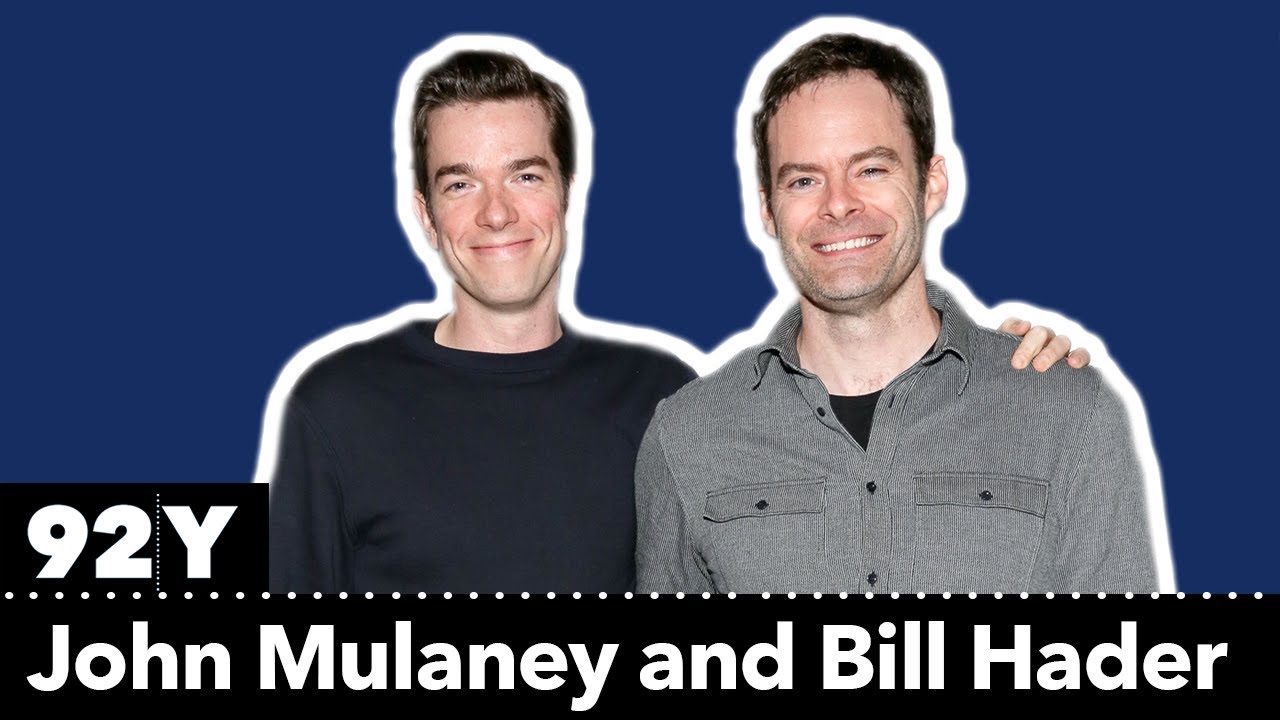
Bill Hader and John Mulaney Spend an Hour Not Talking About Barry
The 92nd Street Y asked two of television's best comedy writers about a prestige HBO drama. They mostly talked about Casey Kasem and Eliot Spitzer.

John Mulaney on Arenas, Amsterdam, and Talking to Thousands Like It's a Secret
The comedian, his director, and David Byrne walk through what it actually costs to make a massive show feel like a private confession.
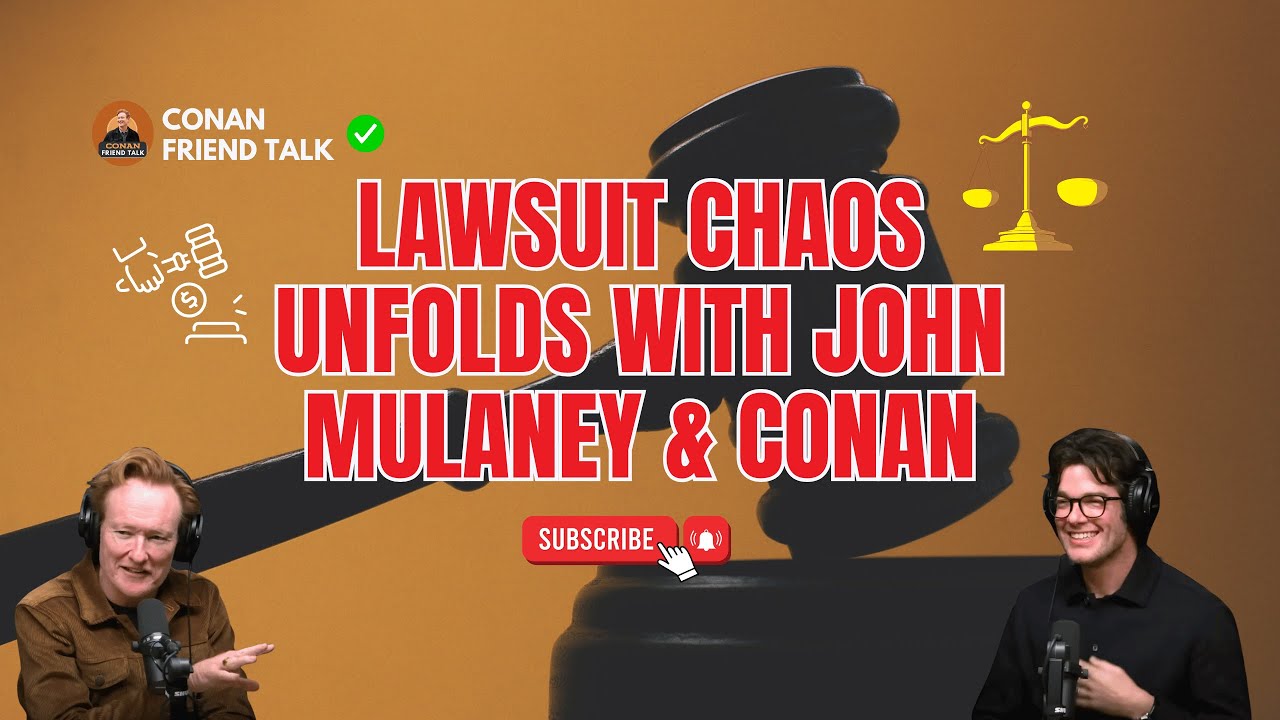
John Mulaney, John Mayer, Jimmy Carr, Jim Gaffigan, and Jim Downey Walk Into Conan's Podcast
Five guests, one episode, and a running lawsuit fantasy that somehow becomes the most coherent bit of the whole thing.

John Mulaney Ate Hot Wings at 11 a.m. and Told the Truth About Rehab
Baby J is Mulaney's best special, he says, and on Hot Ones he gave you the receipts between tears and fish-food flavors.