Maureen Callahan says Belle Burden’s divorce memoir is “a lie”
Callahan’s objection isn’t just that Burden sounds privileged, it’s that the media is treating a very cushioned divorce story like a brave act of survival.
Listen on YouTube · Spotify · Apple Podcasts
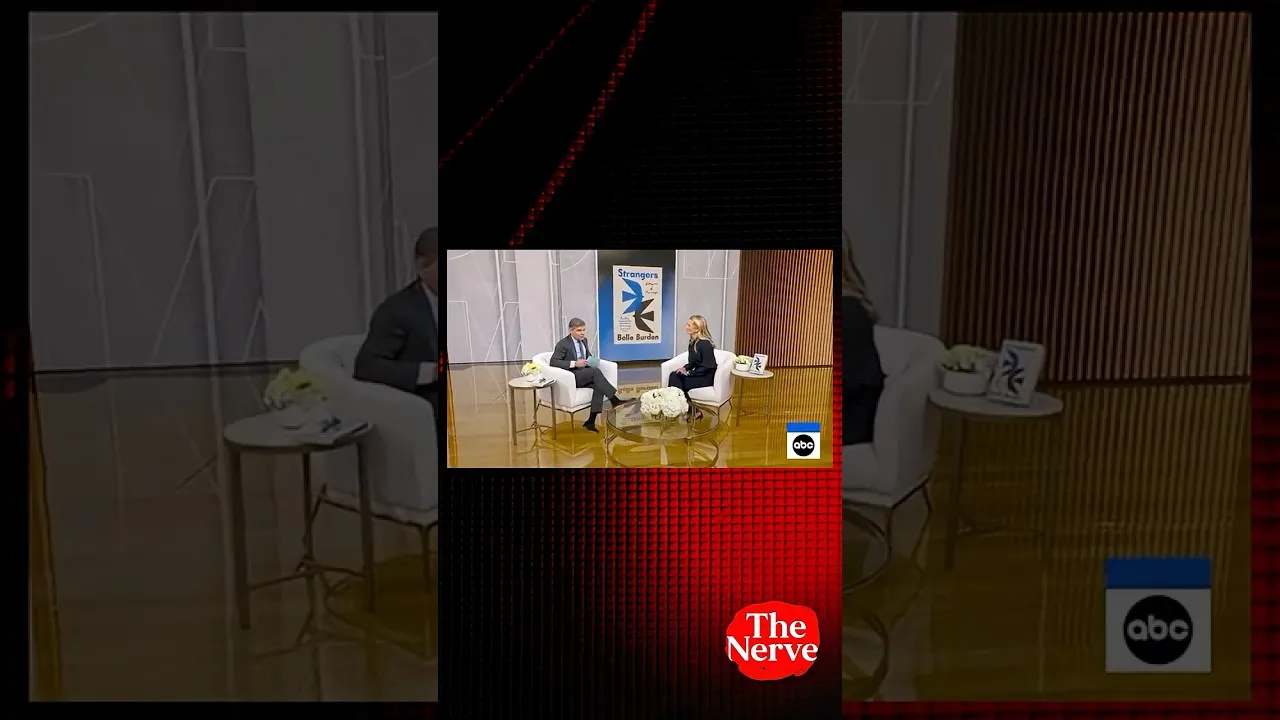 WATCH NOW↓
 Maureen Callahan did not merely say Belle Burden’s divorce memoir is overpraised. She called Strangers: A Memoir of Marriage “a lie,” then aimed the second barrel at George Stephanopoulos for not smelling the smoke.
This is the sort of podcast clip that arrives with a raised eyebrow already packed in the box. On The Megyn Kelly Show, Callahan treats Burden’s Good Morning America appearance less like a literary interview than like a class solidarity exercise with better lighting. Her accusation is blunt: the story is being presented as raw, brave, and special, when to Callahan it reads as cushioned grievance.
George is the same class as this woman, and he’s going to talk about how honest this book is, okay? It’s a lie. It’s a lie.
That’s the searchable claim here. Not “divorce memoir causes debate,” which is how a publicist would file it under Please Clap. Callahan says the book’s premise, or at least the way it’s being marketed on morning television, is dishonest. The target is not only Belle Burden. It’s the soft-focus media machine that can turn a rich woman’s marital collapse into a tale of national spiritual emergency.
The class critique is the whole knife
Burden’s own pitch, as shown in the clip, is that her marriage ended during the pandemic. Callahan hears that and basically reaches for the trapdoor. A pandemic divorce can be awful, obviously. Divorce is one of those life events that can make a person feel like the floor has become soup. But Callahan’s point is that suffering doesn’t automatically become singular because it happened during COVID, especially when the person telling the story has the kind of resources many divorced women can only daydream about while arguing with an insurance portal.
What makes my story different is that my marriage blew up during a pandemic.
Callahan’s response is not subtle. Subtle has left the chat. She calls Burden “a cliché,” which is a mean line, but not a random one. The charge is that Burden mistakes circumstance for uniqueness, and then asks the culture to validate the mistake.
That makes me special. That makes me different. No, it doesn’t. No, it doesn’t. You’re a cliché. You’re a cliché.
There’s a real critique inside the flamethrower. Memoir has always run on the strange bargain between private pain and public consumption. The author says, Here is what happened to me. The audience decides whether the story feels earned, inflated, useful, or merely expensive. Callahan’s verdict is that Burden is selling a hardship story without enough awareness of the cushion beneath it.
Is Callahan right, or just enjoying the hit?
Both, probably. The “it’s a lie” line is doing a lot of prosecutorial theater for a clip this short. Callahan doesn’t present evidence here that the factual events of Strangers are false. What she does argue, persuasively, is that the moral framing is suspect. There’s a difference between lying about facts and lying through emphasis, and Callahan is accusing Burden of the second kind.
Her sharpest point is also her harshest: gratitude. Not gratitude for heartbreak, obviously, but gratitude for the ability to survive heartbreak without immediate financial terror. Plenty of women exit marriages into legal bills, housing panic, custody chaos, and the kind of “fresh start” that comes with a folding table and a Venmo request. Callahan is saying Burden’s version of ruin appears to come with a safety net and a book tour.
you should be down on your knees, not over losing the country club potentially, but because you have the resources and support that you don’t have to worry about a goddamn thing.
That is nasty. It is also the reason the clip has teeth. Maureen Callahan is not reviewing prose here. She’s reviewing posture. And her complaint about divorce memoir culture is that too much of it asks readers to confuse proximity to pain with perspective on pain.
The catch is that memoir is allowed to be self-involved. That’s almost the job description. The better question is whether the self knows what room it’s standing in. Callahan’s answer, delivered with all the delicacy of a wineglass hitting marble, is no.
Unlike a lot of other women who find themselves in this situation, you should be grateful. You should be looking forward. But you’re not. You’re not. You’re bitter hell-bent on revenge.
- What did Maureen Callahan say about Belle Burden’s memoir?
- Callahan called the book “a lie” and framed Burden’s story as less a singular tragedy than a familiar privileged-divorce narrative dressed up as revelation.
- Why did Callahan bring up George Stephanopoulos?
- She argued that Stephanopoulos, as an experienced interviewer and reporter, should have been more skeptical of the story being sold on Good Morning America instead of treating it as simply “heartbreaking and hopeful.”
- What is Callahan’s real complaint about the divorce story?
- Her complaint is class. Callahan’s point is that Burden describes pain from a place of unusual material comfort, while many women facing divorce have far fewer resources and far more immediate risks.
Maureen Callahan says Carson Daly drinking beer from his shoe shows morning TV is dying
Callahan used Daly’s on-air “shoey” and Jenna Bush Hager’s garbled “biggest ick” moment to argue that NBC’s breakfast hour has stopped passing the breakfast test.
Maureen Callahan says David Sedaris’ New York Times home interview was extremely obnoxious because his husband flew to London to check on their other homes
Callahan’s target wasn’t just Sedaris’ money, it was the museum foyer, the expensive Christmas sculpture, and the breezy little phrase “their other homes.”
David Sedaris says he bought a $2.5 million New York penthouse for his Picasso
Maureen Callahan uses Sedaris's New York Times real estate profile as Exhibit A in the case that America's beloved literary crank has become a museum-grade rich guy.
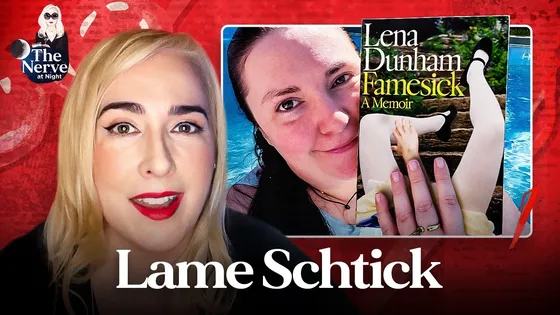
Maureen Callahan says Lena Dunham unloaded on Bruce Springsteen about Jack Antonoff in a Mayfair nightclub
Callahan’s read of Fame Sick is that Dunham protects Taylor Swift, punishes Jack Antonoff, and saves the wildest therapy session for Bruce Springsteen.
The circuit, read weekly. No noise.