Maureen Callahan says Taylor Swift asked Steven Spielberg to film her dancing with Travis Kelce
The host treats the Spielberg phone handoff as the perfect little fossil of modern celebrity, famous people making even other famous people part of the content machine.
Listen on YouTube · Spotify · Apple Podcasts
 WATCH NOW↓
 Maureen Callahan says Taylor Swift asked Steven Spielberg to film her dancing with Travis Kelce at her Songwriters Hall of Fame induction. That is not a crime. It is, however, the kind of microscopic celebrity status maneuver that deserves to be preserved in amber, preferably by a camera operator who did not direct Jaws.
On The Nerve, Callahan pounced on a Page Six item about Swift and Kelce dancing to John Fogerty’s “Fortunate Son,” with the footage ending up at Variety. The alleged ask is the whole meal. Not because Spielberg is too holy to hold an iPhone, but because the image is absurdly clean: the most famous pop star in the room turning the most successful director in history into Uncle Steve at the family barbecue.
Swift requested Steven Spielberg film her dancing with Travis Kelce at her Songwriters Hall of Fame induction Thursday.
Callahan’s read is less about Swift breaking etiquette than about Swift being unable to let a room exist without becoming content inside it. The phone handoff, if it happened as described, is celebrity culture eating itself with a tiny fork. Spielberg is not just another attendee. He’s Spielberg. If you ask him to film you and your NFL boyfriend dancing, you have either reached peak comfort with fame or lost all sense of proportion. Possibly both.
she casually handed her phone to one of the most popular filmmakers in the world and told him to make himself useful.
The phone is the joke
The verdict here is simple: the claim is credible enough as a reported celebrity-party detail, but Callahan inflates it into cultural prosecution because that’s her sport. The funny part is that the inflation works. Swift had just performed humility in a speech about her family uprooting their lives for her dream, then the story becomes, almost instantly, Swift outsourcing her romantic B-roll to the man who made E.T.
Callahan is especially allergic to that kind of doe-eyed celebrity self-mythology. Earlier, she took apart Sarah Jessica Parker for a Northwestern commencement speech she saw as all breathless gratitude and padded uplift. Swift, in Callahan’s telling, belongs to the same species: the megastar who keeps announcing wonder at her own stardom while controlling every inch of the frame.
Taylor Swift cannot dance. Taylor Swift cannot dance.
That line is brutal, and also a reminder that Callahan’s real complaint is aesthetic. Swift, she argues, doesn’t lose herself in music. She performs being seen performing. The hair toss, the walk, the look to the side, the sense that every spontaneous moment has already been storyboarded for the group chat, the fan cam, the archive.
Gervais gave her the theory
The sharper frame came from Ricky Gervais, who appeared by clip and basically handed Callahan her thesis about celebrity culture. His argument: the old system made celebrities seem wiser than they were. Social media took away the handlers, the polished interviews, the mystique. Now they post, and the balloon makes the saddest little noise.
I think it would be the slow death of celebrity. The fact that it it’s great that you know, even up to 10 years ago, everyone respected celebrity. Everyone thought actors were wise and social media for all its faults and the fact that it’s a you know a cesspool did expose that these actors were idiots.
That’s why the Spielberg detail has legs. It is not shocking in the old tabloid sense. Nobody got caught leaving Chateau Marmont at 3 a.m. with the wrong person. It is shocking in the newer, dumber way: a famous person revealed a weird power dynamic by doing something that probably felt completely normal to everyone inside the velvet rope.
If Spielberg laughed and filmed, fine. No victim. But the rest of us are allowed to notice when a room full of legends still bends around the gravitational pull of Taylor Swift’s phone.
Taylor Swift is Elaine from Seinfeld jerking it out at a company Christmas party. Taylor is Elaine Benes.
- What did Maureen Callahan say Taylor Swift did with Steven Spielberg?
- Callahan said Swift requested that Steven Spielberg film her dancing with Travis Kelce at the Songwriters Hall of Fame event. Her point wasn't that this was a major scandal. It was that the image of Spielberg becoming the phone guy is too perfectly Swiftian to ignore.
- Why did Callahan compare Taylor Swift to Elaine from Seinfeld?
- Callahan argued that Swift can't dance, then put her moves next to Elaine Benes's famously chaotic office-party dancing from Seinfeld. It was mean, yes, but the joke has teeth because Swift's public image depends on total control, and dancing is one place control can look deeply uncool.
- How does Ricky Gervais fit into this episode?
- Callahan used a Ricky Gervais clip about the 'slow death of celebrity' to frame the whole show. Gervais's claim is that social media exposed actors as ordinary idiots once the old press machinery stopped protecting them. Callahan sees Swift's Spielberg moment as part of that same collapse in mystique.
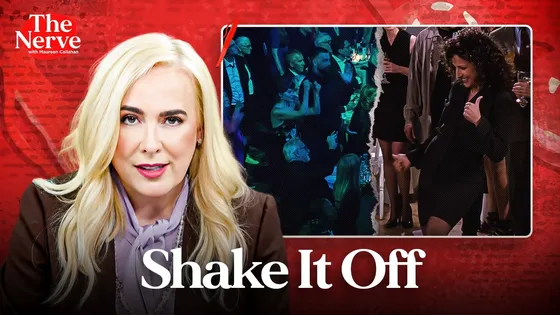
Maureen Callahan says Taylor Swift looked like Elaine Benes after asking Steven Spielberg to film her dancing
The burn is funny, but the sharper point is how completely Swift’s idea of spontaneity now comes pre-directed.
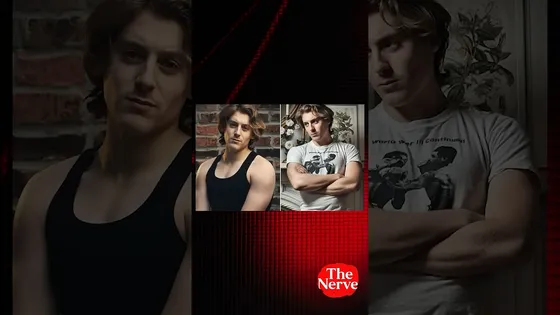
Maureen Callahan says Sarah Jessica Parker's son James Wilkie Broderick does not have what it takes to be a model
The Megyn Kelly Show clip turns a People-style celebrity-kid photo item into a blunt nepo-baby verdict.
Maureen Callahan says David Sedaris’ New York Times home interview was extremely obnoxious because his husband flew to London to check on their other homes
Callahan’s target wasn’t just Sedaris’ money, it was the museum foyer, the expensive Christmas sculpture, and the breezy little phrase “their other homes.”
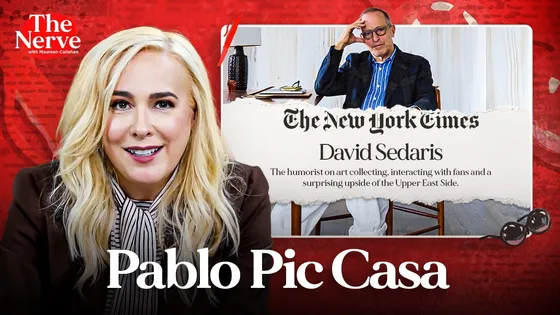
David Sedaris says he bought a $2.5 million New York penthouse for his Picasso
Maureen Callahan uses Sedaris's New York Times real estate profile as Exhibit A in the case that America's beloved literary crank has become a museum-grade rich guy.
The circuit, read weekly. No noise.