David Foster says Whitney Houston’s “I Will Always Love You” was a 10-minute rough mix he made to trick Clive Davis
The producer says one of the cleanest, biggest pop records ever came from a DAT tape he never meant to survive the summer.
Listen on YouTube
 WATCH NOW↓
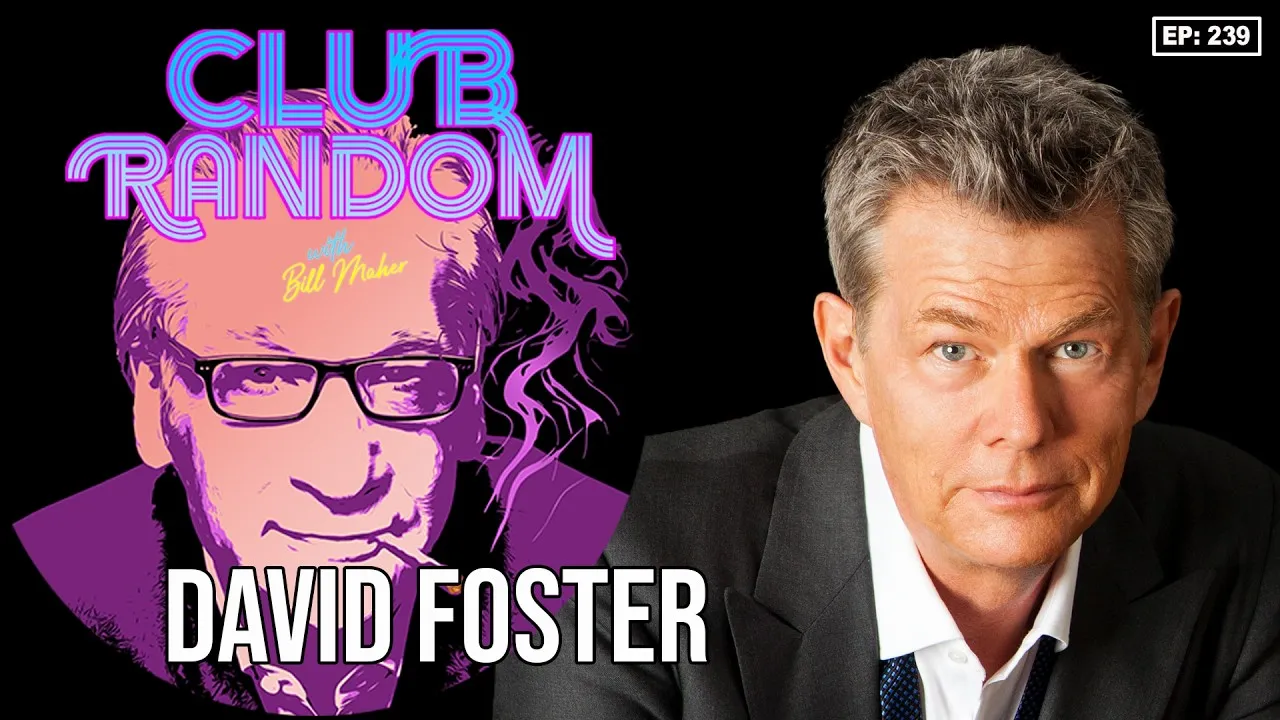
 The funniest possible origin story for one of the most immaculate pop ballads ever is that it was basically a trap demo. On Club Random, David Foster told Bill Maher that Whitney Houston’s “I Will Always Love You” was released from a rough mix he threw together in minutes because he assumed Clive Davis would nitpick it to death.
This is not a small claim. “I Will Always Love You” is not some charming album cut with a cult following and a sax solo only your stepdad remembers. It is the pop power ballad, the “The Bodyguard” meteor, the Dolly Parton song that Houston turned into a national weather event. If you were alive in the early ’90s, that key change probably has tenancy rights in your skull.
Foster’s version of the story is delicious because it makes the perfect record sound like the one thing record producers are trained to distrust, the first pass. A scratch. A placeholder. The thing you send only because you need someone else to start complaining.
I’m going to trick Clive this time. I’m going to do a rough mix that takes 20 minutes.
The target of the trick was Clive Davis, the record executive Foster describes as constitutionally unable to receive a finished record without leaving fingerprints on it. Foster says Davis always had notes, sometimes improving records, sometimes making them worse, but always making sure the room knew he had ears. That tracks with the Davis legend, half benevolent oracle, half man who could make a producer redo the drums because lunch tasted funny.
The rough mix that refused to die
Foster’s plan was practical. Mixing in the pre-laptop studio era could take 10 to 12 hours. So he says he shoved the faders up, made a quick DAT, and sent it over as bait. Davis, naturally, was supposed to call back with a list of sins.
I’ll do 10 minutes on this. He’ll give me all his notes and then I can do the mix for real.
Instead, Davis heard the thing Foster didn’t. Or, depending on your tolerance for executive mythology, Davis heard the thing Foster was too close to hear. Foster says Davis’s response was not “fix the sax” or “where’s the guitar” or “why is Whitney entering naked over silence like she’s walking into a cathedral with a grudge?” It was the opposite.
He said, “I love it. I love it. I love it. Don’t change the thing.”
That is the whole argument about music production in one ridiculous little story. Foster wanted control, polish, the correction of every tiny imperfection. Davis wanted impact. The listener, the mythical “young man in the 22nd row” Maher kept invoking, wanted to feel the room freeze when Houston inhaled and began.
Foster says he kept working anyway. He sent Davis later versions with the saxophone tuned, more guitar added, the sort of fixes that producers make because they can hear one microscopic problem at a volume only dogs and Grammy voters understand. Davis kept rejecting them. Eventually the fight got ugly enough that Davis delivered the kind of executive line you hate to admire because, annoyingly, it’s good.
David, I think we should hang up now before one of us says something that we don’t mean or that we’re going to regret.
The verdict on the legend
Is Foster’s story true in every studio-nerd particular? We only have Foster’s telling here, and studio legends tend to get buffed by repetition until they gleam like awards-show teeth. But the core claim is plausible. Records often survive by accident. A guide vocal becomes the keeper. A mistake becomes the hook. A quick mix has the one thing the perfect mix loses, nerve.
It’s also a little self-serving, in the best showbiz way. Foster gets to be the wizard so perfectionist he tried to outmaneuver the executive. Davis gets to be the commercial genius who knew the hit before the producer did. Whitney Houston, conveniently, remains above the argument entirely, because nobody in this story is questioning the voice. You don’t tune the weather.
What makes the anecdote stick is that the released record does feel strangely unoverworked. It opens with a scary amount of space. No armor. No drum machine charging in to reassure radio programmers. Just Houston, exposed and unbeatable. In an era that loved giant production, the biggest move was restraint.
I’ve carried that around in my pocket all summer. I played it for everybody and that’s the record.
So the final image Foster leaves is almost absurdly analog for a song that became pop monument marble, Clive Davis walking around with a little digital audio tape in his pocket, playing the rough mix like contraband, refusing every improvement. Somewhere in there is a lesson for anyone polishing the life out of a thing: sometimes the version you made to get rejected is the one everybody else was waiting for.
- Why did David Foster make a rough mix of “I Will Always Love You”?
- Foster said Clive Davis was famous for having comments on every record, so he tried to save himself a full day of mixing. His plan was to send Davis a fast, deliberately temporary version, collect the inevitable notes, then make the real mix afterward.
- Who insisted on using the rough mix?
- According to Foster, Clive Davis did. Foster says Davis loved the quick version immediately and kept rejecting later mixes, even after Foster tried to fix things like the saxophone and add more guitar.
- Does this mean Whitney Houston’s vocal was accidental too?
- No. Foster’s story is about the mix, not Houston’s performance. The shock is that the record’s final sonic presentation, the balance and arrangement around that voice, came from a rough DAT that Foster says he never expected to be the master.

Kenny Chesney says a tour-bus epiphany in his 40s ended his out-of-control hillbilly rockstar years
On Club Random, Chesney gives the least bro-ish possible version of a country-star hangover story: not redemption, exactly, but math.
Kathy Griffin says she hasn't been in the black for six years since the Trump head photo
On Club Random, Griffin makes the cancellation sound less like a scolding and more like a long, expensive layoff with lawyers.
Max Amini says Jimmy Carter helped put Ayatollah Khomeini in power to hold back Iran
On Club Random, the Iranian American comedian walked into a classic diaspora theory and Bill Maher, of all people, played the skeptic.

Shannon Elizabeth says OnlyFans is the only relationship she needs now
The American Pie star told Bill Maher that her fan chats have replaced dating, which is either a very modern boundary or the cleanest sales pitch in the parasocial economy.
The circuit, read weekly. No noise.