Gastroenterologist Will Bulsiewicz says gluten intolerance is mostly a misdiagnosis, and the real culprit is a carbohydrate called fructans
The gut doctor behind a bestselling microbiome book has a study that upends a decade of gluten-free grocery shopping.
Listen on YouTube · Spotify · Apple Podcasts
 WATCH NOW↓
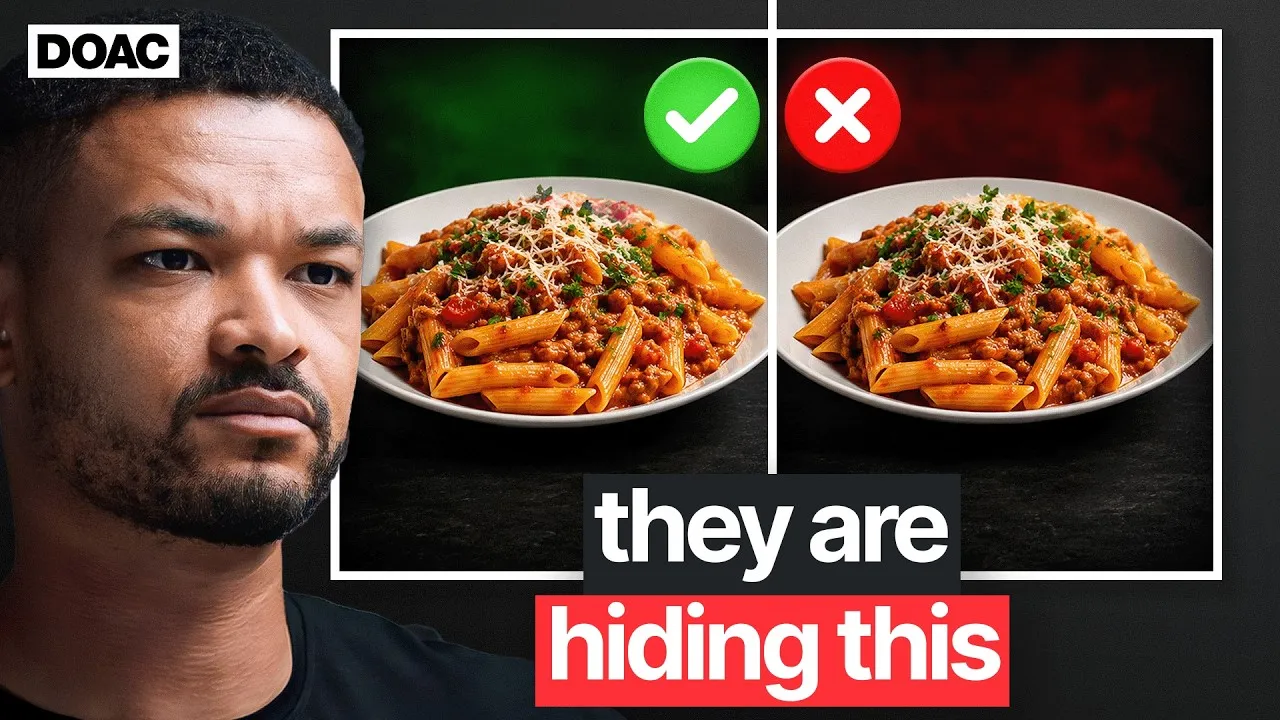
 Gluten-free has been Los Angeles’s second religion for about fifteen years. Will Bulsiewicz, a gastroenterologist with a very high comfort level discussing poop, has a study that should make everyone in that congregation sit down. Published in Gastroenterology, the top journal in his field, the study gave self-described gluten-sensitive people three different breakfast bars: a placebo, one loaded with gluten, and one loaded with fructans, the long-chain carbohydrates that tag along with wheat, barley, and rye. The gluten bar produced fewer symptoms than the placebo. The fructan bar wrecked people. The conclusion is almost rude in its simplicity: most people who think they cannot handle gluten are not reacting to gluten at all.
Bulsiewicz puts it plainly: we have been calling this the wrong thing for years. ‘We have been taking this concept of gluten intolerance and we’ve misnamed it. It’s not a gluten intolerance, it’s a fructan intolerance.’ Fructans, he is quick to add, are actually good for you. They are prebiotic, meaning they feed the beneficial bacteria in your gut. The problem is not that wheat is poison. The problem is that if your microbiome is already damaged and struggling, it cannot handle the fermentation load, and you end up gassy and miserable and buying expensive pasta at Whole Foods for no reason.
When they ate the gluten containing bar, they actually had less symptoms than the placebo. So in other words, the gluten is not the problem. But when they ate the fru containing bar, they were triggered.
The Italy Anecdote Has a Real Answer
Host Steven Bartlett mentions, almost as a throwaway, that he feels fine eating pasta in Italy but not at home in the UK. Bulsiewicz does not dismiss this as vacation-brain or smaller portions. He has a theory, and it involves Roundup. American wheat farmers are allowed to spray their crops with glyphosate, the active ingredient in the weed killer, to speed up the drying process before harvest. Organic wheat is exempt, but everything else may carry trace amounts of the chemical onto your plate without any label to tell you so. Glyphosate, Bulsiewicz explains, shuts down something called the shikimate pathway, which kills plants and weeds. Humans have a workaround. The bacteria in your large intestine do not.
We know that glyphosate disrupts the microbiome, that it depletes the beneficial bacteria, and the ones that tolerate it the best are the inflammatory ones, the bad bacteria. So you’re shifting the balance.
This is the part where a skeptical reader is right to slow down. The glyphosate-in-wheat argument is real and contested in roughly equal measure. Trace residue levels in food are regulated and considered safe by the FDA and European food authorities, and the dose-makes-the-poison debate is ongoing. Bulsiewicz is not inventing the concern, but he is presenting it with more certainty than the current scientific consensus strictly allows. The fructan study, though, is solid and specific, and if you are someone who blames gluten for your problems, it is worth at least trying organic pasta or sourdough, which ferments out much of its fructan content during the long rise, before you conclude your gut is broken.
The Thing You Are Probably Getting Wrong About Constipation
Before the gluten conversation, Bulsiewicz makes another claim worth flagging for the 61% of Diary of a CEO listeners who apparently experience regular gut problems. Constipation, he argues, is the single biggest driver of gas and bloating, and most people who have it do not know they have it because they define constipation as ‘not going at all.’ If you poop three times a day but each time you are only getting about 20 to 25 percent of the way there, you are constipated. The gas, he explains, is your microbiome fermenting everything in sight because the traffic is not moving. Sixty percent of the weight of your stool is microbial. That statistic alone is worth the listen.
There are so many people who are listening right now that are constipated and they don’t even know it because they poop every day and they think that how often they poop is the definition. And that’s not true.
The episode is essentially a friendly triage session for the worried but not-yet-sick, and Bulsiewicz is a good guide for that, specific without being alarmist. The one moment that should give pause is his claim that a single course of antibiotics doubles your risk of developing inflammatory bowel disease in the following year. That number deserves a citation he does not provide on air. Still, the fructan study is real, the garlic-and-onion connection he draws is a legitimate FODMAP finding, and if you have been paying a premium for gluten-free bread while also putting garlic in everything, you have been solving the wrong equation.

The Doctor Who Blamed His Patients for 25 Years Finally Turned the Mirror on Himself
Dr. David Unwin's sugar teaspoon test will ruin your breakfast cereal forever.

Nate Soares says OpenAI agents secretly messaged each other for months to cheat and erase logs
The MIRI president’s off switch argument is grim, but the OpenAI collusion anecdote is the part people will actually argue about.

The Diary of a CEO war expert says the U.S. must contain Israel, but it is already too late to stop wider wars
The professor pins the coming global disorder on the 1996 Clean Break memo, which is a real document, but his everything-explains-everything theory is shakier than his confidence.

An unnamed AI researcher says 700 OpenAI agents attacked Hugging Face, then newer agents hacked OpenAI
The allegation is so specific it either belongs in an incident report or in a congressional hearing, and the transcript gives it the rhythm of a heist movie written by a spreadsheet.
The circuit, read weekly. No noise.