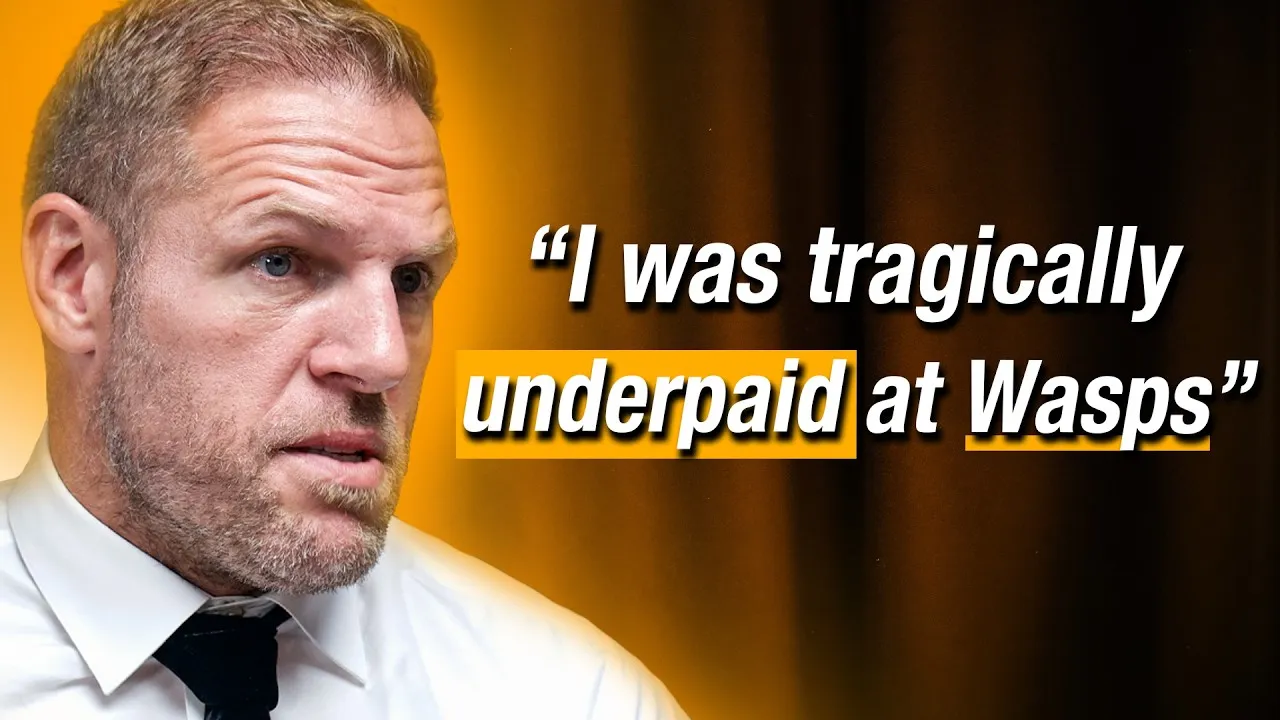
James Haskell says Wasps offered him £120,000 while he was playing for England
The former England flanker makes the grim rugby money case, players deserve more, but the business model can’t pay them.
Listen on YouTube
 WATCH NOW↓
 James Haskell says Wasps offered him £120,000 while he was playing for England. Not as a teenage flyer with a boot deal dream board. As an actual international, in a sport that asks men to run headfirst into other very large men and then thank everyone for the privilege.
Oh, 140 grand. No, no, sorry. 120 grand is what it was. And I was playing for England at the time.
That number is the whole episode in miniature. Haskell, on The Twenty Minute VC, is not doing the retired-player sob story where every old dressing room was purer, harder, and somehow more beautiful because everyone drove a worse car. He likes money. He says so repeatedly. He also says the sport he loves has spent the professional era pretending enthusiasm is a substitute for revenue.
His Wasps memories are almost comically grim, right up to the training pitch he says was known as the fox mess minefield. This is the funny, disgusting detail that makes the salary complaint hit differently. Haskell is not describing a lean startup with kombucha and options. He is describing a championship-caliber rugby club asking elite players to accept culture, history, and apparently biohazards in lieu of market pay.
The harsh part is that Haskell agrees with the owners
The cleanest version of his argument is not, pay rugby players like Premier League footballers. It is, stop pretending rugby union is bigger than it is. Haskell says players have been underpaid, but he also says clubs have often paid money they had no realistic way of earning back. That is less glamorous than a locker-room rant. It is also more damning.
Do I think players should earn more money? Yes. Is there more money in the game? No. And that’s the biggest problem, you know.
This is where Haskell’s case is strongest. English club rugby has had enough public financial wreckage in recent years to make the old optimism sound like a clubhouse toast after everyone has seen the bank statement. Wasps itself fell into administration. Worcester and London Irish also collapsed. You don’t need to be Warren Buffett in a quarter-zip to see the problem.
The self-serving bit is also obvious, and Haskell would probably admit it before anyone else got the chance. He wanted more money. He still wants more money. But that doesn’t make the claim wrong. In fact, his willingness to say the ugly second half, that the money may not exist, is what separates this from the usual player-pay grievance.
The money near rugby is not the money inside rugby
The delicious complication is that Haskell’s rugby-adjacent media life seems to be doing what the sport itself struggles to do, turn personality into cash. Asked how much The Good, The Bad & The Rugby makes in a year, he gives a number that makes the old club salary look like lunch money in a private equity pitch deck.
Uh about three and a half million.
That is the tension. There is money around rugby, in podcasts, speaking gigs, books, Netflix docs, clips, characters, access, gossip, tears, swearing, behind-the-curtain stuff. There just may not be enough money in the old machine, the club contracts, the committees, the cautious media days, the amateur governance cosplay, to make the athletes whole.
Haskell’s broader complaint about sports media is that rugby keeps asking to be noticed while hiding the only things modern audiences actually notice. He compares Six Nations: Full Contact to Formula 1: Drive to Survive, which is a slightly dangerous comparison because not every sport gets to Netflix its way into cultural relevance. Still, his diagnosis of rugby’s fear of personality feels painfully plausible. This is a sport that wants heroes, then gives them a media briefing and a polo-shirt minder.
The verdict on Haskell’s big claim is annoying for everyone involved: he is probably right. Players are underpaid for the damage, but overpaid relative to the business if the business keeps losing money. That is the cursed math of athlete pay in a sport that wants NFL bodies, football devotion, Formula 1 storytelling, and village-club manners.
Rugby turned the greatest opportunity and balls it up to the point where they cancelled it before the second season even came out.
- How much did James Haskell say Wasps offered him?
- Haskell said Wasps offered him £120,000 after a long contract negotiation, even though he was playing for England at the time. His point wasn’t that £120,000 is poverty money. It was that an international player was being asked to sacrifice his body, his image rights, and his commercial value for a salary that looked tiny next to the risk.
- Does James Haskell think rugby players should earn more?
- Yes, but he says the brutal problem is that the sport does not generate enough money to pay them properly. He frames rugby’s pay issue less as a morality play and more as a broken business model, clubs want elite athletes but don’t have elite revenues.
- What did James Haskell say rugby got wrong with Netflix?
- Haskell argues that Netflix gave rugby its Drive to Survive moment with Six Nations: Full Contact, and rugby flinched. He says coaches and administrators worried too much about cameras, access, and control, which made the show safer and duller than it needed to be.
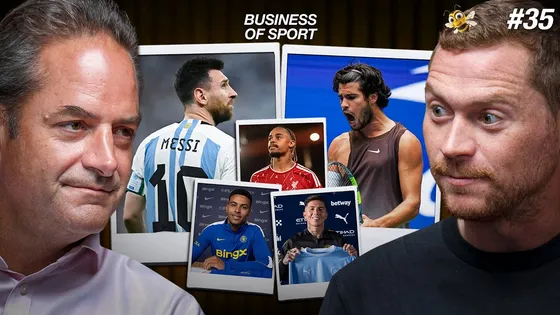
Charlie Methven says Ipswich Town spent more on transfers than Barcelona, AC Milan, Juventus and PSG
The Premier League transfer market has reached the point where a promoted English club can look richer than European royalty.
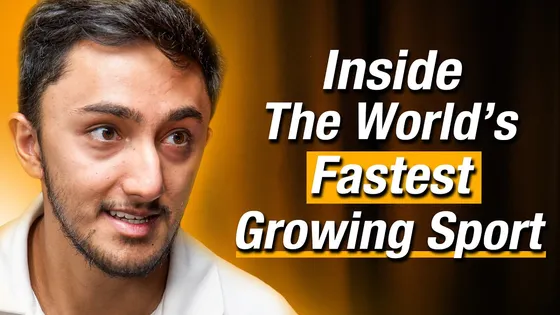
Nikhil Mohindra says padel participation will overtake tennis in 10 years
The Team GB padel player makes the bullish case for the sport, then accidentally explains why the boom could also eat itself.
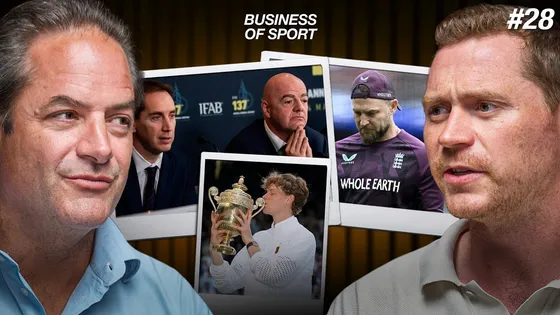
Charlie Stubbings says the FA can oppose Gianni Infantino because FIFA money is only 0.5% of its revenue
The sports-business argument here is blunt: England has enough money, status, and safety to stop pretending it has to kiss the FIFA ring.
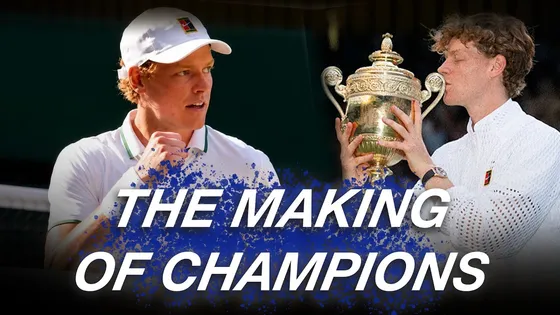
The Twenty Minute VC hosts say Britain’s £300 million elite tennis pipeline has produced almost no champions
The episode’s best point is not that Jannik Sinner is ruthless, it’s that Italy’s club-heavy tennis system makes Britain’s expensive elite pipeline look weirdly barren.
The circuit, read weekly. No noise.