Nikhil Mohindra says padel participation will overtake tennis in 10 years
The Team GB padel player makes the bullish case for the sport, then accidentally explains why the boom could also eat itself.
Listen on YouTube
 WATCH NOW↓
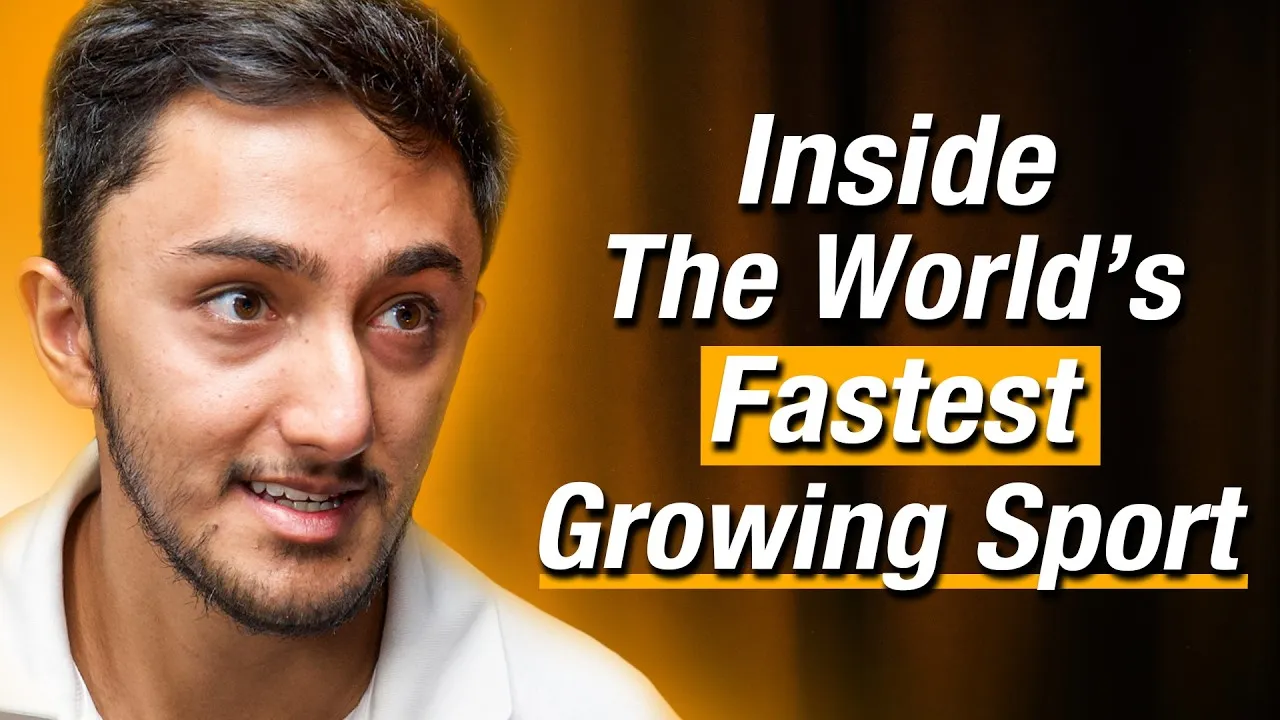
 Nikhil Mohindra’s big padel prediction is not subtle: within 10 years, more people will play padel than tennis. That sounds like the sort of thing a man building a padel club would say, which he is, but the annoying part is that his argument mostly holds.
On The Twenty Minute VC, the Team GB player sells padel less as a rival to tennis than as tennis after somebody removed the humiliation. Underarm serves. Smaller court. Glass walls that keep the ball alive. Doubles by default. A beginner can rally without first sacrificing three summers to the gods of topspin. This is not Wimbledon in linen. It is racket sport as group chat.
within 10 years participation of paddle will be over tennis. It’s so much easier to play and it’s just so much more fun.
The smart version of Mohindra’s claim is about participation, not prestige. Tennis still has the monuments: Centre Court, Novak Djokovic, Carlos Alcaraz, that very specific hush that makes every cough sound like treason. Padel has the Friday-night booking war, the ex-footballer with a Head racket, and your dad somehow keeping a rally alive. Mohindra says his own father is over 70 and they can still hit together. That is the product.
The boom is real. So is the squeeze.
The best part of Mohindra’s pitch is also the part that complicates it. Padel is accessible in theory and expensive in practice. He says the UK has passed 1,500 courts, while Spain has more than 20,000. That gap explains everything: the frenzy, the prices, the investors sniffing around warehouses, and the slightly feral behavior on booking apps.
Mohindra says prime London courts can run to about £100 an hour, and that some clubs are doing huge monthly revenues while supply is still tight. He also sounds genuinely worried that operators are signing monster leases based on boom-time pricing. His cautionary tale is Sweden, where the padel buildout ran hot, rents ran hotter, and clubs closed when reality arrived wearing sensible shoes.
That makes the 10-year tennis claim plausible, but not automatic. Padel needs more courts to become cheaper. Cheaper courts bring more players. More players justify more courts. Lovely flywheel. Unless landlords, operators, and FOMO investors turn it into a boutique fitness bubble with walls.
Some coaches have literally just transitioned from tennis to paddle to to charge more money. And I’ve seen some of the coaches and they can’t coach paddle.
That line is the whole boom in miniature: opportunity, enthusiasm, and a few people sprinting toward the cash register with a racket they don’t quite understand.
The pro game has champagne buzz and sandwich money
Mohindra is frank about the mismatch between padel’s hype and its professional economics. This is where the episode gets more useful than another breathless trend piece about how everyone from bankers to footballers is suddenly playing. The sport may be exploding, but the average pro is not living like a Premier League fullback. Mohindra says players are often spending what they earn on travel, coaching, physio, and tournament costs.
in paddle first round of the P1 you get €1200 so it’s a very different kind of ball game so so for winning the P1 you get €25,000 each
His comparison is brutal: tennis stars make life-changing money at majors, while padel’s top tournament checks still look modest once you price in flights, hotels, and the entourage needed to compete properly. He says the real money is sponsorship, content, coaching, and commercial positioning. In other words, the modern athlete’s favorite sentence: the sport is the platform.
Mohindra has understood that earlier than most. He is not just trying to win matches. He is building clubs, a charity, and a media lane around access. That access includes Cristiano Ronaldo, John Terry, David Beckham’s orbit, and Andriy Shevchenko. It is surreal, and he knows it.
getting the call to fly out to Dubai to play with Ronaldo for a week, I was like, that’s pretty nuts.
The celebrity piece matters because padel’s rise is not only happening through federations and clubs. It is happening through Instagram stories, YouTube channels, and retired elite athletes discovering a sport where they can still compete, sweat, trash-talk, and not spend three months learning how to serve. Ronaldo stretching at 7 a.m. before padel is marketing no governing body can buy.
The verdict is yes, with a trapdoor
Mohindra’s prediction is self-interested, but not silly. Padel has the exact qualities participation sports dream about: low barrier to entry, fast rallies, social format, high replay value, and the illusion that you’re better than you are. That last one should not be underestimated. Whole industries have been built on less.
The trapdoor is price. If padel stays a £100-an-hour urban toy, tennis will keep its institutional throne and padel will become squash with better PR. If councils, tennis clubs, and sane operators bring the court count up and the cost down, Mohindra’s 10-year call starts to look less like hype and more like a booking-app warning: your next annoying hobby is coming for your Tuesday night.
- Does Nikhil Mohindra really think padel will pass tennis?
- Yes. Mohindra says padel participation will overtake tennis within 10 years because it is easier to start, more social, and less technically punishing for casual players. His case is strongest at the grassroots level, not the pro level.
- Why is padel growing so fast in the UK?
- Mohindra points to accessibility, celebrity exposure, and a shortage of courts that has made peak-time bookings feel like a small financial crime. The problem is that scarcity also keeps prices high, which makes the sport look elitist before it has fully gone mainstream.
- Can professional padel players make good money?
- Only at the very top. Mohindra says tournament prize money is thin outside the elite, so players often need coaching, sponsorships, content, or club deals to make the career work. The boom is real, but the money has not flowed evenly to the athletes yet.
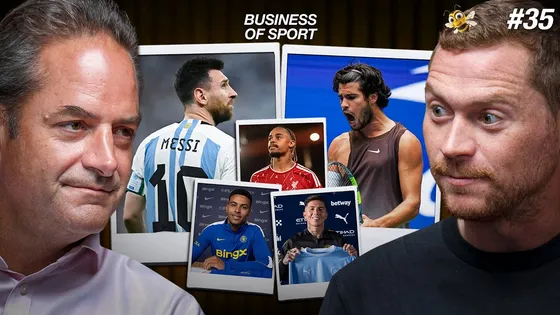
Charlie Methven says Ipswich Town spent more on transfers than Barcelona, AC Milan, Juventus and PSG
The Premier League transfer market has reached the point where a promoted English club can look richer than European royalty.
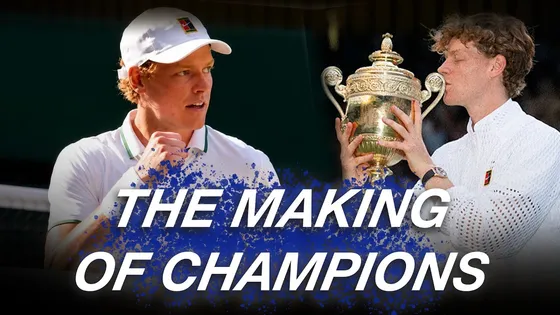
The Twenty Minute VC hosts say Britain’s £300 million elite tennis pipeline has produced almost no champions
The episode’s best point is not that Jannik Sinner is ruthless, it’s that Italy’s club-heavy tennis system makes Britain’s expensive elite pipeline look weirdly barren.
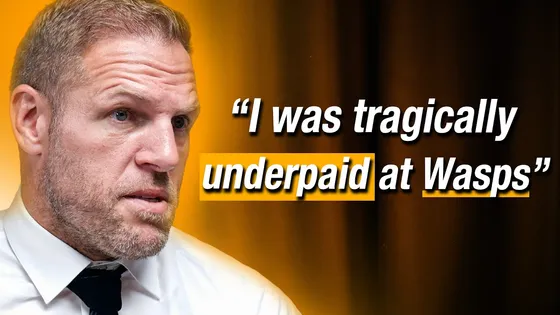
James Haskell says Wasps offered him £120,000 while he was playing for England
The former England flanker makes the grim rugby money case, players deserve more, but the business model can’t pay them.
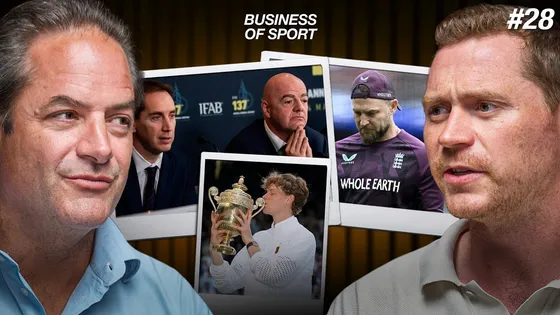
Charlie Stubbings says the FA can oppose Gianni Infantino because FIFA money is only 0.5% of its revenue
The sports-business argument here is blunt: England has enough money, status, and safety to stop pretending it has to kiss the FIFA ring.
The circuit, read weekly. No noise.