Mark Milley says he’d probably call China before a U.S. attack to calm fears Trump was starting a war
The PBD Podcast turns Milley’s “I’ll probably give you a call” line into treason bait, but the quote itself is messier and less explosive than the outrage version.
Listen on YouTube
 WATCH NOW↓
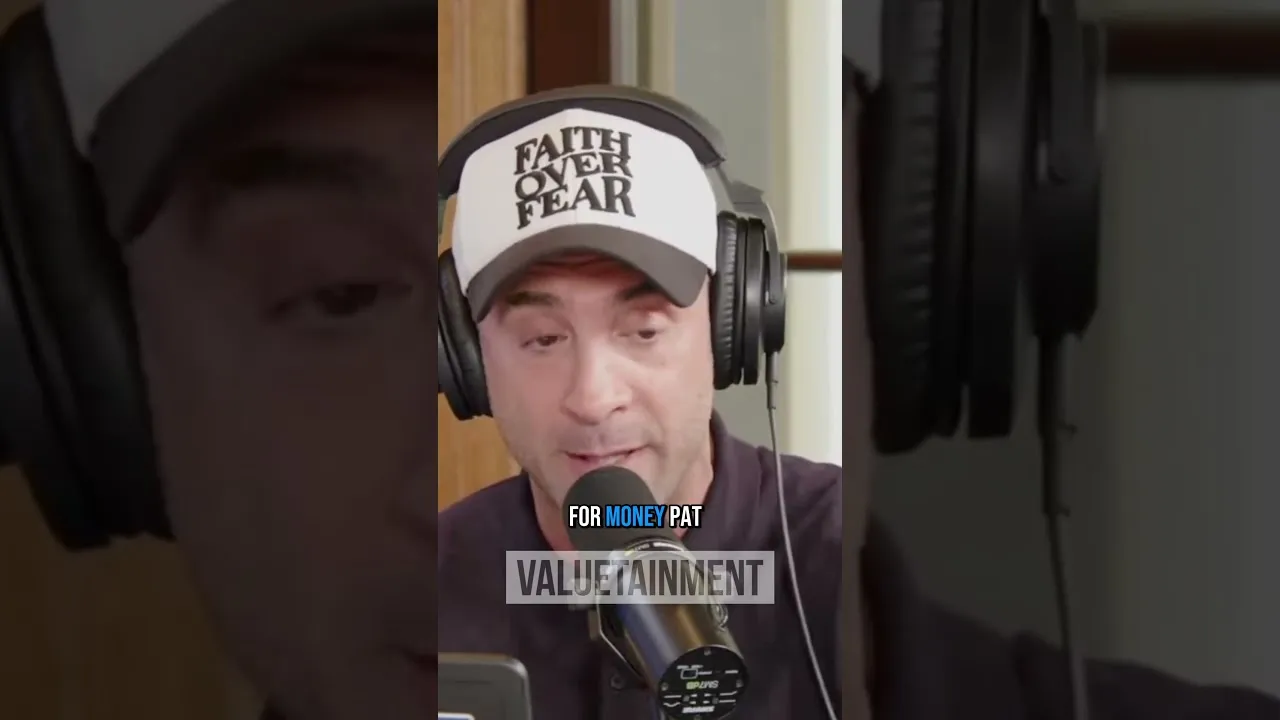
 Mark Milley says his infamous “I’ll probably give you a call” line to China was not a promise to spoil an American strike. He says it was crisis management, a message to Beijing that Donald Trump was not about to launch a great power war.
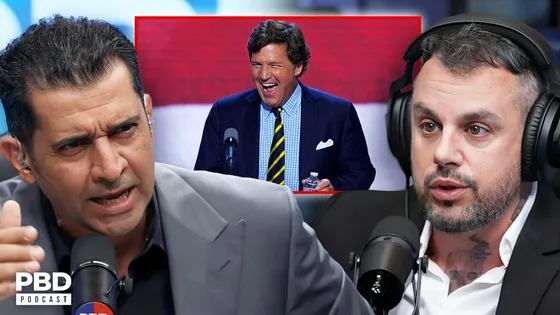
That is not how the PBD Podcast wants you to hear it. In this tiny, combustible clip, the panel grabs the line like it found a loaded pistol in the couch cushions. Milley says de-escalation. PBD hears betrayal. Everyone else gets to watch one of the strangest modern arguments about civilian control, military channels, and whether a phone call can sound like treason if you clip it tightly enough.
Chinese thought wrongly that the United States was going to attack them. I am certain, guaranteed certain, that President Trump had no intent to attack.
That first sentence matters. Milley is not saying Trump was secretly ready to bomb China. He is saying the Chinese believed something false, and his job was to make sure a bad intelligence read did not become a world historic smoking crater. This is the boring, terrifying plumbing of nuclear age politics: generals, hotlines, misread signals, and the constant possibility that somebody mistakes theater for intent.
The quote is bad for Milley, but not as bad as PBD says
Here is the problem for Milley: the phrase “I’ll probably give you a call” is politically suicidal. It sounds casual. Too casual. Like he is telling a rival power, “Don’t worry, buddy, I’ll text before the missiles fly.” If you already think the permanent security state was running a shadow government against Trump, this clip is not evidence. It is dopamine.
As part of that conversation, I said, “General Li, there’s not going to be a war, there’s not going to be an attack between great powers.”
But the actual wording is doing less than the outrage version claims. Milley describes a world where tensions would visibly build, officials would be calling back and forth, and both sides would know they were in a crisis. That is not the same as promising to leak an operational plan. It is closer to saying: if we are on the edge of catastrophe, the phones will be melting.
Hell, General Li, I’ll probably give you a call, but we’re not going to attack you. Trust
Still, PBD’s panel has a real political opening because Milley’s explanation relies on institutional trust, and institutional trust is exactly what this audience has thrown into the harbor. The chairman of the Joint Chiefs talking directly to a Chinese general during the last stretch of the Trump presidency was always going to sound sinister to people who believed Washington was full of internal saboteurs. Add China, Donald Trump, and a sentence with the words “give you a call,” and you have a clip engineered for the comment section.
The fair verdict is irritating to everyone. Milley’s line is not the clean admission of treason the panel wants. It is also not harmless, because senior officials do not get to sound breezy about alerting adversaries and then act shocked when people hear a siren. Crisis communication is necessary. So is speaking like a person who understands that every syllable will one day be dragged into a studio and beaten with a flagpole.
Bingo. You were going to call a foreign nation that we’re at war with, Pat. What a What a No, a good for him. Good riddance to this guy.
That’s the problem, the enemy from within, Pat. Foreign and domestic.
- What exactly did Milley say about calling China?
- He said he told General Li there would not be a war or attack between great powers, and added that if tensions rose, there would be calls among senior officials. His exact hot button line was, “Hell, General Li, I'll probably give you a call, but we're not going to attack you.”
- Why is PBD angry about the Milley quote?
- The panel treats the call as proof that Milley was willing to alert a foreign rival before U.S. military action. That reading depends on turning crisis de-escalation into betrayal, which is politically potent, but not the only thing the quoted words support.
- Was Milley saying Trump wanted to attack China?
- No. Milley says the opposite in the transcript. He says he was “guaranteed certain” that President Trump had no intent to attack China, and that his job was to communicate that clearly.
Patrick Bet-David says Iranian mourners held Kill Trump banners while the U.S. was negotiating with Iran
The PBD Podcast turns a funeral clip into an argument against negotiating with a regime whose street theater still knows exactly which American buttons to push.
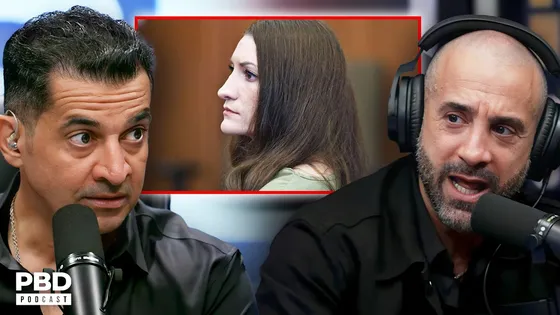
Adam Sosnick says the Lindsay Clancy case is the new prenup
The PBD panel turned the Clancy mistrial into a brutal dating question, and the answer they want is not subtle.
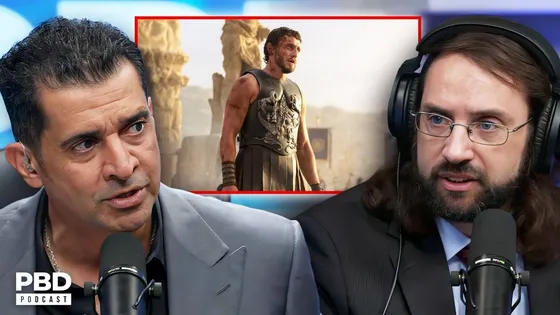
Russell Crowe says Gladiator II failed because it destroyed Gladiator’s moral core
Crowe’s diagnosis is part box-office math, part actorly oathkeeping, and much more persuasive than a standard sequel complaint.
Patrick Bet-David says Tucker Carlson is going to run for president after rejecting the Republican Party
PBD reads Carlson's Republican breakup less as a purity stand than a 2028 audition, and his own panel doesn't buy the martyr act.
The circuit, read weekly. No noise.