PBD Podcast panel says Trump's meme coin may have been a rug pull
The surprising part isn't that someone called meme coins scammy, it's that the warning came from a business-friendly show with a Trump-adjacent audience.
Listen on YouTube
 WATCH NOW↓
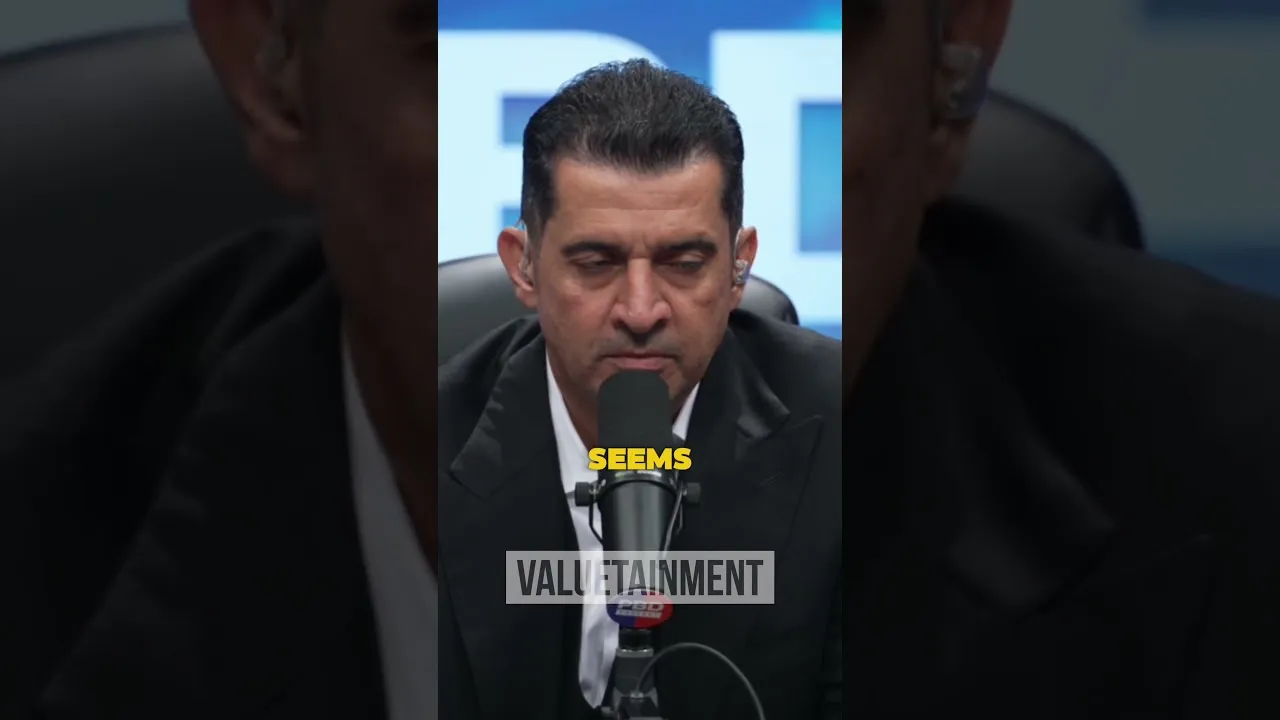
 The funniest place for Trump’s crypto era to get called too scammy is not a Senate hearing. It’s PBD Podcast, where a panelist said there is an argument that Trump’s meme coin was a rug pull.
That is the whole charge, stripped of its crypto confetti: when the president’s name is the product, the pump is not an accident. The show framed meme coins not as cute internet lottery tickets, but as a machine for transferring money from late believers to early holders.
I do think meme coins are dangerous. I think they lose Americans a lot of money.
That line is not exactly a radical thought in 2026. Meme coins have always been part casino, part group chat, part magic trick performed over a liquidity pool. What makes this one sharper is the target. The panel was talking about Donald Trump, a politician whose brand can turn any asset into a loyalty test and any loyalty test into a market.
The ethics problem is the product
The panel’s cleanest point was not that meme coins are volatile. Everyone knows that. The point was that a president launching or benefiting from a coin tied to his name changes the moral math. If a random influencer pumps a joke token, that’s depressing. If the president does it, the hype arrives wearing a seal of authority, even if the fine print insists otherwise.
So, I have a problem on an unethical level. If you’re the president of the United States, you know this is going to be a trend that skyrockets.
That is a better critique than the usual scolding about dumb retail traders. It puts the responsibility upward. The ordinary buyer is not wrong to assume that a presidentially branded asset has some special status. That assumption is the marketing. The problem is that in crypto, status can evaporate faster than a campaign promise.
The word rug pull is the live wire here. In crypto culture, it usually means insiders hype a token, liquidity disappears, and everyone else is left holding a screenshot of their former net worth. Legally, that is a loaded accusation. As a market description, it is the fear every meme coin buyer is pretending not to have.
there’s there’s an argument here that Trump’s coin was a rug pull, too.
The anti-hype caucus has entered the chat
The panel did not stop at Trump. It rejected the whole genre, including NFTs, those JPEG-era status objects that briefly convinced celebrities, athletes, and your most annoying college roommate that the future of art was a receipt.
I’ve never been a fan of NFTs. I’ve never been a fan of meme coins. I’ve never been a fan of those things.
This is where the criticism gets less headline-grabbing but more useful. The panel is not making a technical case about blockchain. It is making a trust case about cryptocurrency products that rely on momentum, celebrity, and the hope that someone else will buy later at a worse price. That is not innovation. That is musical chairs with a Coinbase account.
The verdict: the rug pull phrasing is provocative and not proven by the clip alone. But the ethical claim is solid. A president’s meme coin is not just another speculative token. It is a financialized fan object, and fan objects make people stupid on purpose.
If the panel is right, the listener’s move is simple: don’t ask whether the meme is funny. Ask who gets to sell first.
- What did the PBD Podcast say about Trump's meme coin?
- The panel argued that meme coins are dangerous and that a president promoting one creates an ethical problem because his status can drive a speculative frenzy. One panelist went further, saying there is an argument that Trump's coin was a rug pull.
- Why is the PBD Podcast criticism of meme coins surprising?
- Because the show is business-focused and often operates in a conservative media orbit, so this is not the usual anti-crypto lecture from a regulator or a Democratic senator. The criticism is coming from people who are generally comfortable talking markets, speculation, and Trump-world politics.
- Are meme coins the same as NFTs?
- No, but the panel grouped them together as speculative internet assets associated with hype, scams, and losses. One panelist said they had never been a fan of NFTs or meme coins and treated both as part of the same trust problem.
Mark Milley says he’d probably call China before a U.S. attack to calm fears Trump was starting a war
The PBD Podcast turns Milley’s “I’ll probably give you a call” line into treason bait, but the quote itself is messier and less explosive than the outrage version.
Patrick Bet-David says Iranian mourners held Kill Trump banners while the U.S. was negotiating with Iran
The PBD Podcast turns a funeral clip into an argument against negotiating with a regime whose street theater still knows exactly which American buttons to push.
PBD Podcast says Idaho will make the firing squad its default execution method in 2026
The clip is tiny, but the claim is not: Idaho is putting the firing squad at the center of its death penalty machinery.
Patrick Bet-David says Elon Musk made a friend's $1 million SpaceX investment worth $100 billion
Bet-David's magnet stunt is really a sermon about proximity, but the SpaceX example is the number that makes you stop and check the math.
The circuit, read weekly. No noise.