Matt Cox says Karen Read is guilty, but planted evidence meant she had to go free
Cox's take is not that Karen Read was framed because she was innocent, but that police may have framed a guilty person and handed her reasonable doubt on a platter.
Listen on YouTube
 WATCH NOW↓
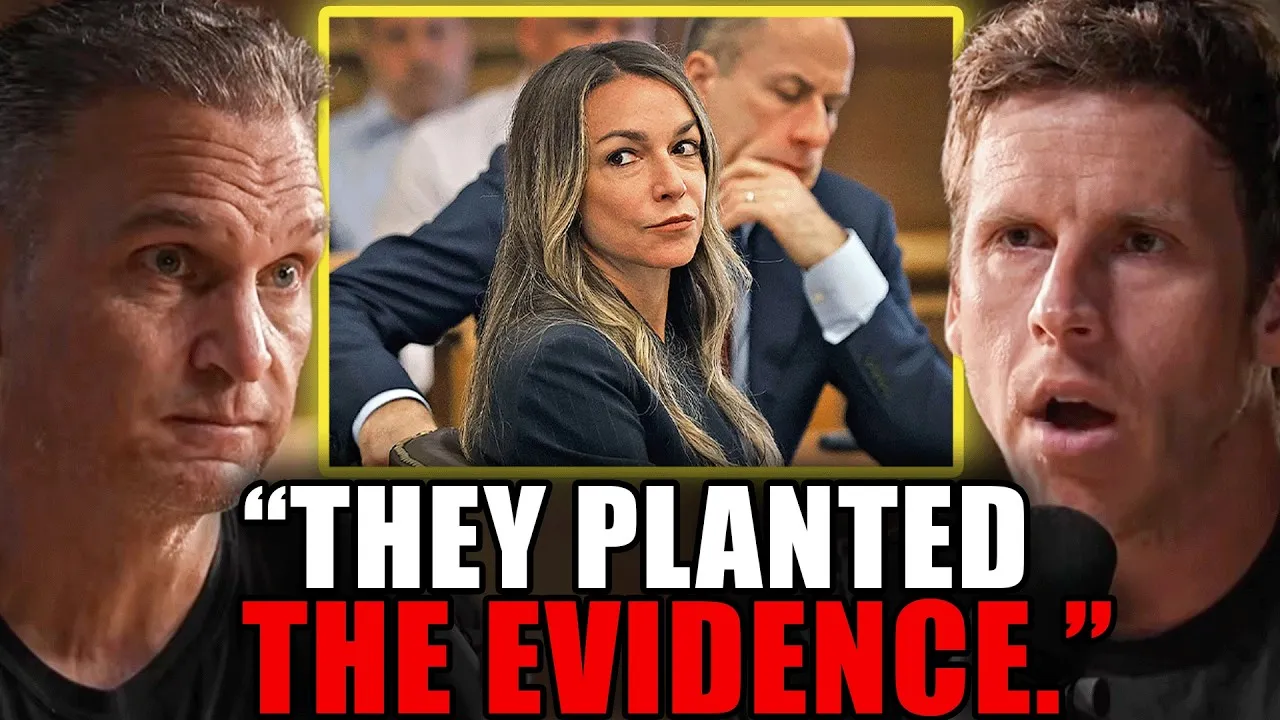
 Matt Cox has the most poisonous version of the Karen Read take: he thinks she did it, and he thinks the jury was right to let her walk. Not because the defense proved a grand conspiracy in Canton, but because, in Cox’s telling, the police made the case smell like a crime scene inside a locker room.
That is the thing worth pulling out of this Danny Jones Podcast clip. Cox is not selling the clean internet theory, innocent woman versus corrupt cops. He is selling the grimier one, guilty woman versus cops so sloppy, biased, and possibly dirty that they torched their own prosecution.
I do believe that they planted evidence. They planted evidence. I do believe that they they kind of framed her, but you’re framing a guilty woman. I think she did it.
That is a very Cox sentence. It has the confidence of a guy ordering at a diner he knows too well. He is not pretending to be a neutral court reporter, and thank God, because neutrality would be wasted on a case that now lives mostly as a national Rorschach test. To one side, Karen Read is the victim of a police cover-up. To the other, she is a drunk driver whose defense successfully turned every ugly cop text into an escape hatch.
The O.J. comparison is the whole ballgame
Cox’s most useful move is separating factual guilt from legal guilt. He says he believes Read backed into John O’Keefe, that he was injured, stumbled into the yard, and died there. But he also says the case became unconvictable once the investigation looked infected.
You cannot convict someone using planted evidence. Even though he’s guilty, I don’t care that he’s guilty. You’re planting evidence.
He reaches for O.J. Simpson and Mark Fuhrman, which is both obvious and effective. It is the true-crime equivalent of bringing a flamethrower to a snowbank. Cox’s point is not subtle: if the state cheats, the defendant benefits, even when the defendant makes your stomach hurt. That is not a loophole. That is the system protecting itself from the people allowed to carry badges and evidence bags.
The verdict on Cox’s claim: as a legal argument, it is strong. As a factual claim, it is still a barstool conviction. He is working from the evidence and the theater of the trial, not from some private revelation. But the idea that an investigation can be both aimed at the right suspect and still corrupted is exactly the kind of uncomfortable middle position that gets flattened online. The Karen Read case has been treated like a team sport. Cox is saying both teams can be gross.
The texts did the damage
Cox keeps circling the investigator’s messages because they are the kind of thing a jury cannot un-hear. He describes the detective calling Read degrading names, signaling that she was going down, and reassuring others that the Boston officer connected to the house would be fine. In a case already obsessed with who got protected and who got targeted, that is gasoline.
Cox also points to the tail light evidence, saying an officer had been near Read’s vehicle before pieces were later found in the yard. Again, his claim is not that this proves Read innocent. It is worse for the state than that. He says it creates the impression that police tried to improve a case they already believed in, which is how you turn evidence into confetti.
I think she’s guilty, but I also think she should have been found not guilty. Even though I think she ran this [ __ ] dude over.
That is the uncomfortable stake for listeners who treat police misconduct as a side plot. Cox is arguing it can become the plot. Not because every defendant is innocent. Because once the state starts freelancing, nobody can tell where the case ends and the cover story begins.
- Does Matt Cox think Karen Read killed John O'Keefe?
- Yes. Cox says he thinks Read hit O'Keefe with her vehicle after an argument. His twist is that he also thinks the prosecution deserved to lose because the investigation looked contaminated.
- Why does Cox say Karen Read should have been found not guilty?
- Cox argues that if police planted or manipulated evidence, the case becomes legally unusable even if the defendant is actually guilty. His comparison is O.J. Simpson, where he sees the alleged evidence issues as fatal to conviction.
- What evidence bothered Cox the most?
- He focused on the investigator's vulgar texts about Read, the apparent protectiveness toward the Boston officer whose house was involved, and the late discovery of tail light evidence after the vehicle had been examined.

Sean Stone says Osama bin Laden was CIA and the man killed in Abbottabad may have been a dummy
On the Danny Jones Podcast, Stone turns the official bin Laden story into a full intelligence-op theory, but the most explosive part is also the least proven.

Darcy Weir says the US Air Force planned to nuke the moon in 1958 to flex on the Soviets
The UFO documentary filmmaker revisits Project A119, a Cold War scheme that proves our actual space history is much weirder than the flying saucer rumors.

Ioan Grillo says Mexican cartels are dropping fire extinguisher bombs from drones to empty villages
The cartel arms race is not just bigger guns, Grillo argues, it is cheap drones, hacked phones, and a grim little feudal project in the mountains.
Nathaniel Gillis says Chris Bledsoe's 'Merlin' label means a category of UFO contactee, not the wizard
On Danny Jones Podcast, Gillis turns the goofiest-sounding Bledsoe lore into a darker theory about government study, contactees, and weaponized ridicule.
The circuit, read weekly. No noise.