Megyn Kelly says Al Roker wears a decent mask and has rage under the surface
Kelly uses Billy Bush's Today show story to turn friendship envy into a bigger theory about suspicious public niceness.
Listen on YouTube · Spotify · Apple Podcasts
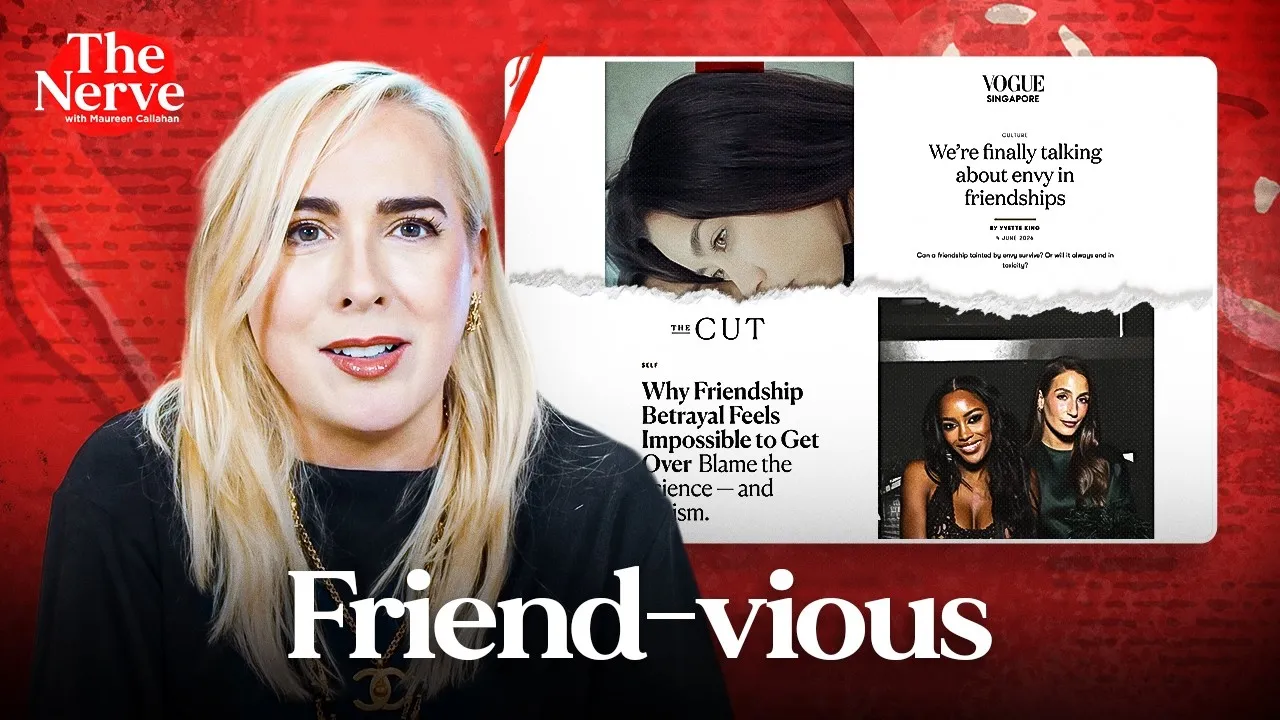 WATCH NOW↓
 Al Roker’s public persona is sunshine with a Doppler radar. Megyn Kelly says she sees something else, a mask over rage.
That was the searchable grenade inside a chat on The Megyn Kelly Show about envy, jealous friends, social climbers, and the quiet horror of realizing someone close to you was never really close. Kelly got there by way of Billy Bush’s old complaint about the Today show, where he apparently described Matt Lauer and Al Roker as hostile forces rather than cheerful morning-TV colleagues. Lauer is the easy villain in any NBC morality play. Roker is the surprise.
He wears a decent mask, Al Roker. I mean, as I said to Billy, I kind of have always detected rage like just underneath that surface surface.
As evidence, this is thin. It is a vibe read, boosted by someone else’s workplace story, and Roker isn’t here to defend his soul, his schedule, or his forecasts. But as a media theory, it has bite. Morning-show niceness is not the same as kindness. It is a job requirement with a wardrobe budget.
Anybody who needs to be known as the best, nicest guy in all the land, they’re probably a nightmare in real life.
That’s the real argument, and it is more interesting than the Roker jab alone. Kelly is suspicious of virtue as branding. The person who must be seen as decent, saintly, universally beloved, America’s safest dinner guest, may be running a public relations campaign on behalf of a private mess. She drags Tom Hanks into the theory, which is a bold swing. Maybe too bold. But the instinct is recognizable to anyone who has met the office sweetheart who somehow leaves bodies in the Slack channels.
The friend who wants your life
Kelly is better when she moves from celebrity aura to social pattern. She talks about status borrowing, the friend who treats you as a ladder, and the identity thief, the friend who doesn’t just admire your life but starts shopping for the same face, same boyfriend, same future. Naturally, the movie references arrive like warning labels, Single White Female, All About Eve, Ingrid Goes West, The Talented Mr. Ripley. Friendship envy is always one candlelit apartment away from becoming a thriller.
You realize slowly and like you’re then and then you’re in it and you got to get out of this friendship. That they want they they want to to have your life.
This is where the episode’s pop psychology earns its popcorn. The labels are not diagnoses, and nobody should start issuing Vogue-certified friendship subpoenas. Still, Kelly nails the sick little lag between the moment you feel something is off and the moment you admit the person was using you. Bad friends rarely arrive wearing a cape. They arrive with compliments, access, and a disturbing memory for your preferences.
The useful distinction comes from Marlena, who refuses to flatten every jealous feeling into a felony. Envy can be ugly and still human. Betrayal is the part that changes the room temperature.
it’s one thing you’re saying jealousy, but you’re not saying betrayal cuz betrayal’s a betrayal.
That matters because friendship does not work like a democracy. Not everyone gets equal access. Not everyone gets promoted. Some people are lunch friends. Some people are crisis friends. Some people should never learn your middle name. The healthiest line in the whole exchange comes not from Oprah, Seinfeld, or a psychologist quoted in Vogue, but from a child who already understands the adult world better than most networking events do.
not everybody can be friends with everybody. It’s not the way the world works.
- Did Megyn Kelly really say Al Roker has rage under the surface?
- Yes. Kelly said Roker wears a decent mask and that she has always detected rage underneath it. She was reacting to Billy Bush's account of feeling sabotaged by Roker and Matt Lauer at the Today show, so this is Kelly's opinion stacked on top of Bush's story, not a new reported investigation.
- What was Kelly's bigger point about nice public figures?
- Her theory is that people who need to be known as the nicest person in the room are often hiding something less charming. She applies that suspicion broadly, even name-checking Tom Hanks as part of the idea. The claim is spicy because it attacks not bad behavior, but the branding of goodness itself.
- How does envy connect to friendship in the episode?
- Kelly frames envy as the thing that turns a friend into a climber, copier, or saboteur. She talks about status borrowing, identity theft, and friendships that look intimate but are really transactional. Her strongest point is that jealousy may be human, but betrayal is the line that ruins the category.
Megyn Kelly says Condé Nast should keep Chloe Malle if it wants Vogue to die
Kelly’s attack is theatrical, personal, and occasionally unfair, but her real target is the soft corporate language now passing for fashion authority.
Megyn Kelly says Jennifer Lopez's True Romance sex list is J.Lo playing a game
Kelly bought Christian Slater as a believable celebrity crush, then bailed the second the list became a whole 1993 movie cast.
Megyn Kelly says Jamie Lee Curtis’s “Los Angeles” pronunciation is an insufferable affectation
A tiny morning-show pronunciation squabble became, in Kelly’s hands, a felony-grade culture crime.
Megyn Kelly says Natasha Lyonne will die if she doesn't get treatment immediately after Tribeca meltdown
Kelly pulls no punches on the Russian Doll star's onstage appearance, calling it a failure of everyone in her orbit and drawing a direct line to Carrie Fisher and James Gandolfini.
The circuit, read weekly. No noise.