Patrick Bet-David says Elon Musk can identify who is paying for fake bot attacks on X
The PBD Podcast host makes a very searchable claim about Musk, bots, and platform power, but the leap from suspicious traffic to a clean money trail is doing a lot.
Listen on YouTube
 WATCH NOW↓
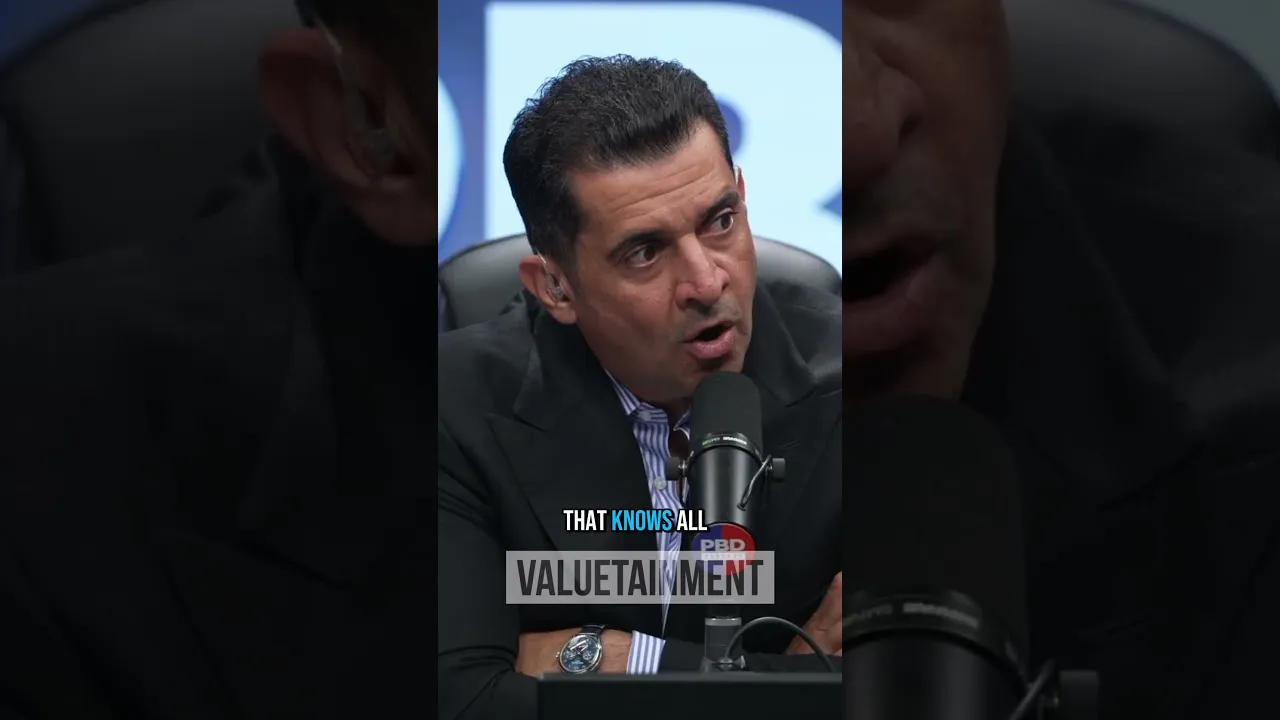
 Patrick Bet-David says Elon Musk may be sitting on the internet’s nastiest little Rolodex: who is using fake bots to attack people on X, and who is paying for it. That is the whole grenade in this short PBD Podcast clip, and it is both deliciously plausible and wildly under-proven.
Imagine if you could run a research to know who is attacking you with fake bots and who is paying for it. How valuable would that be?
As a theory of platform power, this is strong coffee. Musk owns X, formerly Twitter, and the owner of a social network does not merely see the public food fight. The platform can see internal signals regular users can’t: account creation patterns, login behavior, IP-related data, payment relationships where they exist, ad purchases, API activity, and all the boring plumbing that makes an influence campaign less mysterious to the people who run the servers.
But Bet-David jumps from “platforms have data” to “Elon can follow the money” in about the time it takes to refresh a feed. That is the eyebrow-raiser. Spotting suspicious coordinated activity is one thing. Proving who financed it is harder, messier, and often not sitting there in a neat little column labeled Villain.
The Musk-as-all-seeing-mod theory
You know who’s the one guy that knows all of those because he owns the company? It’s a guy named Elon Musk.
This is why the claim travels. It gives a clean shape to a very online paranoia: somebody is behind the swarm. The replies are not organic. The pile-on has a sponsor. The anonymous eggs have a boss. In Bet-David’s version, Musk is not just the owner of Twitter. He is the guy with the keys to the basement, the place where the receipts might live.
So, guess what person knows who’s attacking who and destroying who?
There is a real point hiding inside the swagger. Platforms do know more than users. They know enough to suspend networks of accounts, label automation, detect spam, and identify patterns that look fake. If a public figure is suddenly getting blasted by thousands of similar accounts, X can likely see whether that behavior looks coordinated.
The part Bet-David does not prove is the clean attribution. Who paid? Through what channel? Was it an ad buyer, a political operator, a troll farm, a contractor, a fan army, a bot vendor, or just the usual garbage fire of online incentives? Without documents, subpoenas, payment records, or a platform disclosure, “follow the money” is a vibe dressed as a forensic method.
A great claim, not a case file
He can literally say, “Can you run a report why this guy’s being attacked by such and such?” Oh, follow the money.
That sentence is the clip. It imagines Musk as a billionaire sysadmin with a revenge dashboard. Click a name, get the attackers, trace the cash. It is Tom Clancy for people who spend too much time in quote-tweets.
The fair verdict: Bet-David is probably right that Musk has access to data that could reveal coordinated bots and harassment campaigns better than any outside researcher can. He is less convincing when he implies Musk can simply identify who is paying for every attack. Platform data can expose patterns. Money trails need evidence.
Still, the clip lands because it puts a sharper question on the table than the usual “are there bots on X?” Everyone knows there are bots. The real question is whether the owner can name the buyers, and if he can, why we are hearing about it as speculation instead of seeing the receipts.
- What exactly does Patrick Bet-David claim Elon Musk can see?
- Bet-David claims Musk can know who is attacking people with fake bots on X and who is paying for those attacks. His example is a report that could show why a person is being targeted and then trace the money behind it.
- Is that claim proven in the clip?
- No. The clip offers a theory, not evidence. X almost certainly has internal signals about accounts, traffic, coordination, device patterns, and behavior, but Bet-David does not show that Musk can reliably connect a bot campaign to a specific payer.
- Why is this claim interesting?
- Because it turns the usual Elon Musk and Twitter argument inside out. Instead of asking what Musk posts, Bet-David is asking what Musk can see, and whether owning the platform means owning the map of online attacks.
Patrick Bet-David says raising a kid requires exactly 500 five-minute conversations.
The podcast host rejects the new tech-billionaire trend of mass surrogacy, arguing that spreading your DNA does not make you a father.

Patrick Bet-David says Elon Musk made a friend's $1 million SpaceX investment worth $100 billion
Bet-David's magnet stunt is really a sermon about proximity, but the SpaceX example is the number that makes you stop and check the math.
Patrick Bet-David says robots will make sports teams more valuable because fans will pay more to watch humans
The PBD panel was reacting to Elon Musk’s sci-fi future reel, but the sharpest business take was about why the robot age may be great for the Cowboys, Lakers, and UFC.
Patrick Bet-David says a $300,000 AI UBI would make most people miserable
A Ford AI quality-control story turned into Bet-David’s bigger anti-utopia: money without resistance is not freedom, it’s spiritual mush.
The circuit, read weekly. No noise.