Patrick Bet-David says your micromanaging boss may be right not to trust you
The PBD Podcast host argues that bad bosses are real, but the employee who runs from every hard manager may be the actual workplace problem.
Listen on YouTube
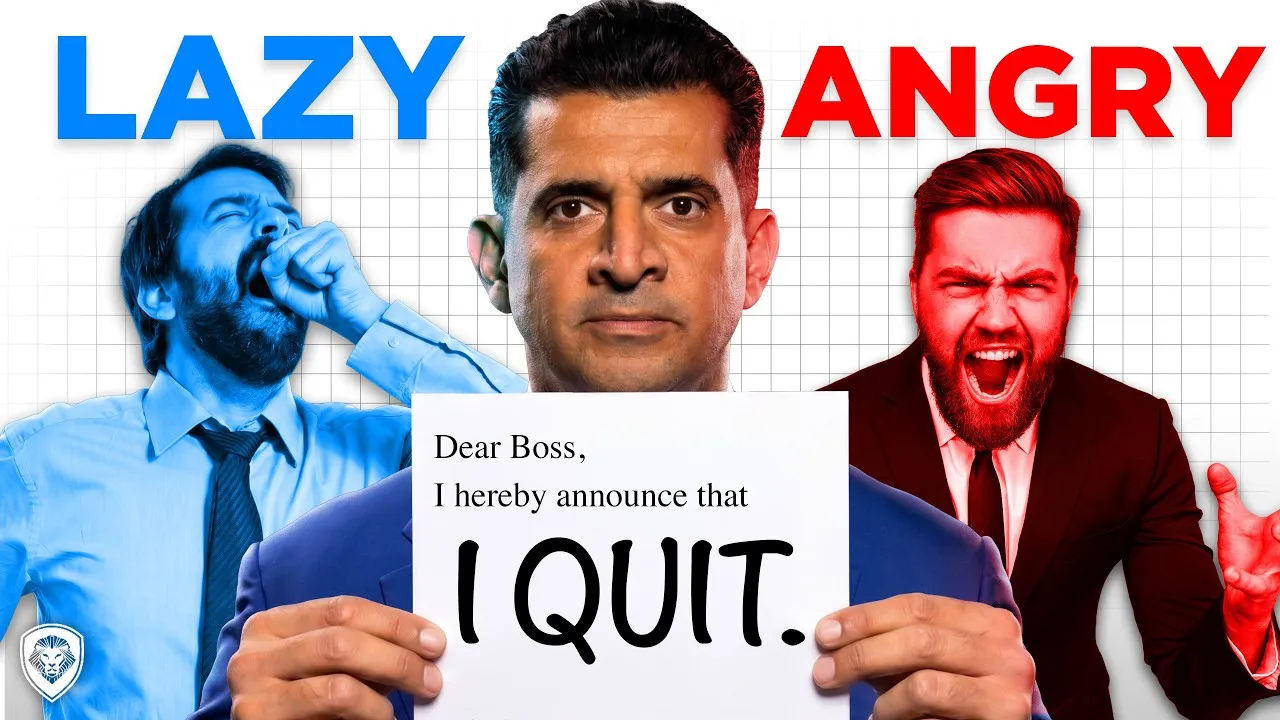 WATCH NOW↓
 Patrick Bet-David’s answer to the micromanaged employee is not the hug people came for: your boss may be hovering because they don’t trust you, and they may have receipts. On PBD Podcast, Patrick Bet-David turns the classic bad-boss complaint into a mirror, which is either useful coaching or CEO-brain in a very nice suit, depending on how recently your manager asked to be cc’d on everything.
The episode is framed like a rescue mission for people fantasizing about resignation. Bet-David lists bad boss species with the brisk confidence of a man sorting Pokémon: manipulative, super emotional, too demanding, lacking urgency, lacking vision, micromanaging, bad example, shielding, low integrity, passive. The useful part is that he doesn’t pretend all bosses are misunderstood geniuses. The revealing part is that he keeps dragging the employee back into the crime scene.
There are a lot of people that I don’t micromanage. You know why? Because I trust them.
That is the claim with teeth. Micromanagement, in the Bet-David model, isn’t always pathology. Sometimes it’s feedback with a calendar invite. If your boss is always asking where the project is, why the client wasn’t called, why the numbers changed, maybe the problem isn’t that they love tiny updates. Maybe the problem is you trained them to become a human AirTag.
The bad boss list doubles as an employee audit
Bet-David is better when he’s diagnosing bad management than when he’s doing motivational calisthenics. His sharpest category is the shielding boss, the manager who keeps your wins from traveling upward and repackages them as their own. That’s a real workplace villain, not just a personality clash. Every company has someone who treats credit like carry-on luggage: if it fits overhead, it’s theirs.
But he quickly pivots from boss pathology to employee responsibility. His test is tribal language. A new hire on a consulting call keeps saying what “they” are doing wrong, and Bet-David stops him cold. If you’re on salary, you’re not a visiting anthropologist.
If they’re paying you a salary, you can never use the word they. It’s we.
That’s a clean bit of leadership doctrine, and also a convenient one for leaders. The worker becomes accountable for identification before power, ownership before influence, buy-in before trust. Fair enough, up to a point. The danger is obvious: plenty of bad managers weaponize “we” when it’s time to absorb blame and “I” when it’s time to collect praise. Bet-David knows this, which is why his shielding-boss example hits. Still, his instinct is unmistakable. Before you call the boss broken, check whether you’re showing up like a contractor with employee benefits.
Quit less, confront better
Bet-David’s actual prescription is not endurance porn. He doesn’t say sit there forever while Captain Slack Message rearranges your nervous system. He says don’t avoid, don’t bolt, confront. Respectfully, yes, but confront. He cites a conversation with Robert Kaplan, whom he describes as a former vice chair of Goldman Sachs, as the authority stamp.
We teach our advisors how to confront.
This is where Bet-David’s argument gets sturdier. Most office advice treats confrontation like a fire alarm, break glass only when the building is already smoking. Bet-David treats it like Excel for adults, basic professional literacy. You need to confront clients, peers, bosses, and yourself. Not with a dramatic monologue. Not with a resignation letter drafted at midnight. With enough clarity that the other person can’t pretend they missed the point.
This is one of the highest paid skill sets in your life. Learning how to confront.
The verdict is mixed, but not mushy. Bet-David is right that a lot of employees reach for exit before conversation, and that workplace conflict follows you like bad luggage if you never learn how to name it. He’s also a little too eager to let the market become judge, jury, and LinkedIn influencer. His personal proof point is that critics doubted him, then his company sold for $250 million. Great story. Less great as a universal HR framework.
Still, the micromanagement point is the one that will ruin somebody’s lunch because it asks the question nobody wants from a career podcast: what if the annoying follow-up email is not oppression, but data? If Bet-David is right, the move isn’t to update your résumé first. It’s to build enough trust that your boss gets bored of checking on you.
- What does Patrick Bet-David say if your boss micromanages you?
- He says the uncomfortable possibility is that your boss doesn't trust you yet. Bet-David isn't defending every control freak, but he argues that some micromanagement is a response to patterns of missed delivery, loose follow-through, or low trust.
- Does Patrick Bet-David think bad bosses are real?
- Yes. He names several kinds, including manipulative, emotional, passive, visionless, and credit-stealing bosses. His twist is that employees should also run the same checklist on themselves before deciding the boss is the whole problem.
- What does he say employees should do instead of quitting?
- Bet-David says employees should learn to confront respectfully. He frames confrontation as a high-value career skill, not a dramatic office showdown or a LinkedIn escape plan.

Patrick Bet-David says raising a kid requires exactly 500 five-minute conversations.
The podcast host rejects the new tech-billionaire trend of mass surrogacy, arguing that spreading your DNA does not make you a father.
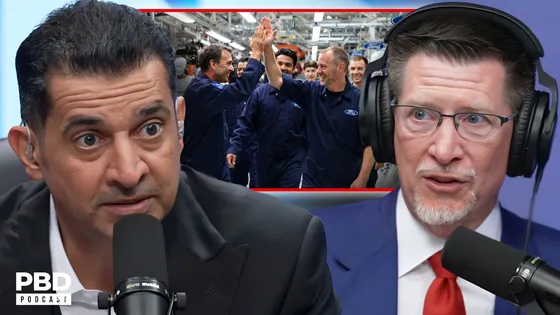
Patrick Bet-David says a $300,000 AI UBI would make most people miserable
A Ford AI quality-control story turned into Bet-David’s bigger anti-utopia: money without resistance is not freedom, it’s spiritual mush.
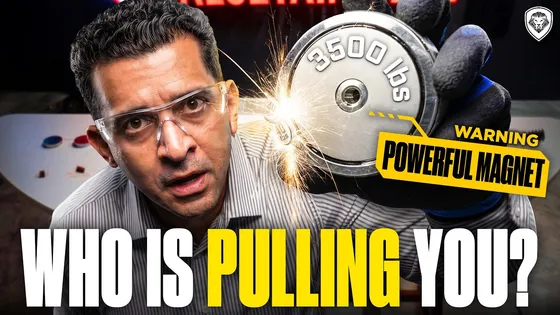
Patrick Bet-David says Elon Musk made a friend's $1 million SpaceX investment worth $100 billion
Bet-David's magnet stunt is really a sermon about proximity, but the SpaceX example is the number that makes you stop and check the math.

Patrick Bet-David says robots will make sports teams more valuable because fans will pay more to watch humans
The PBD panel was reacting to Elon Musk’s sci-fi future reel, but the sharpest business take was about why the robot age may be great for the Cowboys, Lakers, and UFC.
The circuit, read weekly. No noise.