Quentin Tarantino says Titanic’s ending fails because Jack and Rose barely tried to share the floating table
On Club Random, Tarantino turns the internet’s old Titanic door argument into a blunt lesson about how one visual choice can puncture three hours of tragedy.
Listen on YouTube
 WATCH NOW↓
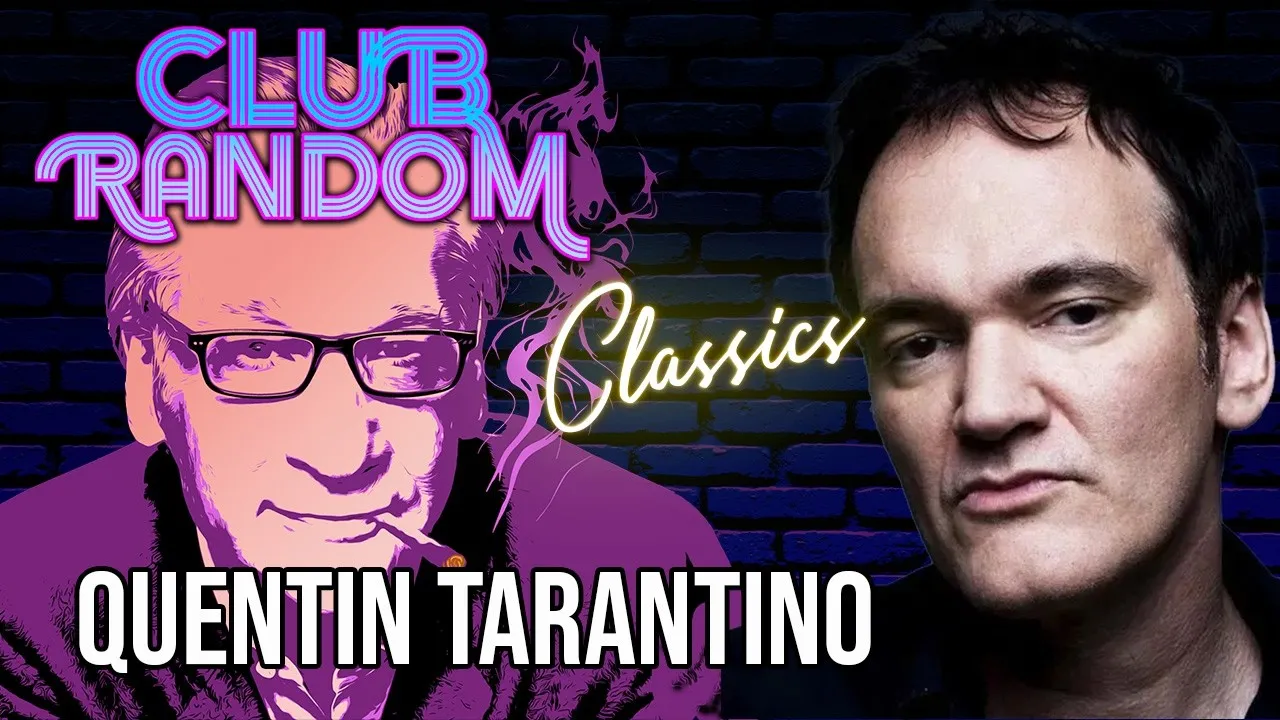
Quentin Tarantino said on Club Random that Titanic’s ending is weakened because Jack and Rose make only a “halfhearted” attempt to get Jack onto the floating table. Quentin Tarantino is not merely joining the dorm-room “could he fit on the door?” caucus. He’s making the more annoying, more useful filmmaker’s version of the argument: the shot itself betrays the emotion.
This is exactly the kind of movie argument Tarantino was put on earth to have in a smoky room with Bill Maher. Not “is Titanic good?” Too easy. Not “did the Academy get it right?” Please. The Tarantino question is nastier: at the exact moment the movie wants you sobbing into your sleeve, why are you suddenly doing furniture math?
Titanic. The whole thing hinges on at the end. They’re not trying harder to get on the table.
It gets to a halfhearted attempt. So half-hearted
The old door fight, with better instincts
The internet version of this argument is usually dumb in the way all immortal internet arguments are dumb. It turns tragedy into a CAPTCHA. Could Jack fit? Was there enough room? What about buoyancy? Was Rose secretly history’s most glamorous manslaughterer?
Tarantino’s version is sharper because it’s about staging, not physics. The movie can explain away the death however it wants, freezing water, panic, exhaustion, bad luck. Fine. But cinema is a visual contract. If the object looks big enough, the audience starts negotiating with the image instead of surrendering to the scene. That’s not a Reddit nitpick. That’s film criticism with wet socks.
That table looks big enough for two people.
Verdict: Tarantino is right about the image and a little cheap about the moment. Titanic’s defenders have always had the obvious comeback, the problem is not surface area, it’s whether the debris can hold both of them. But the movie does not make that problem feel visually decisive. It lets the board, door, table, whatever we’re calling this cursed plank, look just generous enough to turn Jack’s death into a group project nobody completed.
Tarantino’s real target is the classic that gets away with nonsense
The Titanic complaint sits inside a larger Tarantino mood: great movies can be stupid and still great, but the stupidity has to be charming or invisible. He and Maher also bat around Casablanca and Gone with the Wind, not as museum pieces but as working machines with ridiculous parts. Casablanca has its magic letters of transit. Gone with the Wind has Scarlett marrying the bad boy while mooning over the stiff. Titanic has the flotation device from hell.
That is why the bit lands. Tarantino is not some joyless continuity cop measuring the wreckage with a ruler. He’s a director who knows how much pressure the final image carries. Once Upon a Time in Hollywood works, in part, because its ending understands exactly what the audience wants and then gives it to them with a flamethrower. Titanic asks for total romantic devastation, then leaves just enough space on the furniture for the viewer to start yelling.
Maher, naturally, pushes the joke toward character assassination. If the table is big enough, Rose is no longer the doomed survivor of a grand romance. She’s the roommate who says she “saved you a spot” and then covers it with three tote bags.
If they should have made the table a little smaller because otherwise it just looks like um you’re kind of being a dick about this
- What did Quentin Tarantino say about Titanic?
- Quentin Tarantino said Titanic’s ending has a basic staging problem: Jack and Rose do not seem to try hard enough to get Jack onto the floating table. His point is not just that the debris looks big enough, but that after three hours of emotional investment, the movie suddenly asks the audience to accept a strangely casual death.
- Did Quentin Tarantino say Jack could have fit on the door?
- Tarantino and Bill Maher call it a table in the conversation, while the broader pop-culture argument usually calls it a door. Tarantino’s complaint is about the image: the floating object appears large enough for two people, so the tragedy starts to look like bad problem-solving.
- Does Tarantino hate Titanic?
- No. The tone is not a takedown of Titanic as a whole. Tarantino treats it as a movie that largely works, which is exactly why the ending bothers him: the emotional spell is strong until one practical detail starts yelling from the water.
Dean Norris says he knew he would marry his wife after she showed him her tattoo
The Breaking Bad actor turned a 25th anniversary panic into the funniest marriage-origin story Club Random has had in a while.
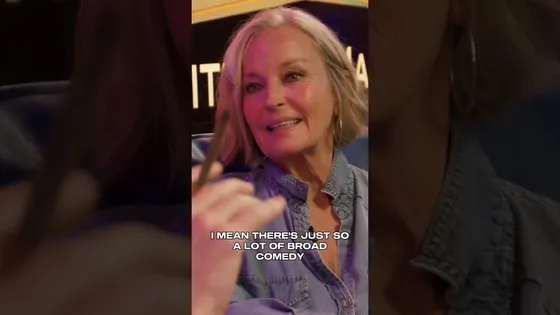
Bo Derek says Julie Andrews is not saintly and can talk like a sailor
On Club Random, Derek punctured the porcelain Julie Andrews myth without turning it into gossip.
Justine Bateman says indie movies can’t get funded because Hollywood doesn’t make movie stars anymore
On Club Random, Bateman argues that the indie-film bottleneck is not a lack of buyers, it is a lack of bankable actors.
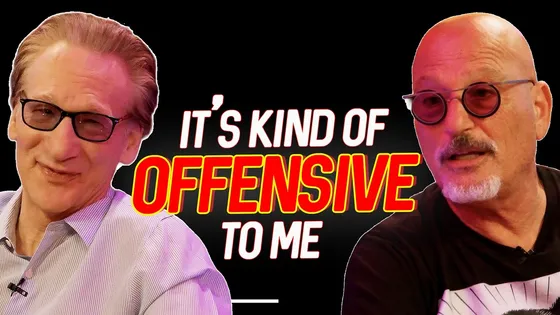
Howie Mandel says he prepared 100 fruit baskets with pre-written apologies for anyone he offended on Club Random
The fruit-basket line sounds like a joke, until Mandel starts sweating on camera and explains the very real panic underneath it.
The circuit, read weekly. No noise.