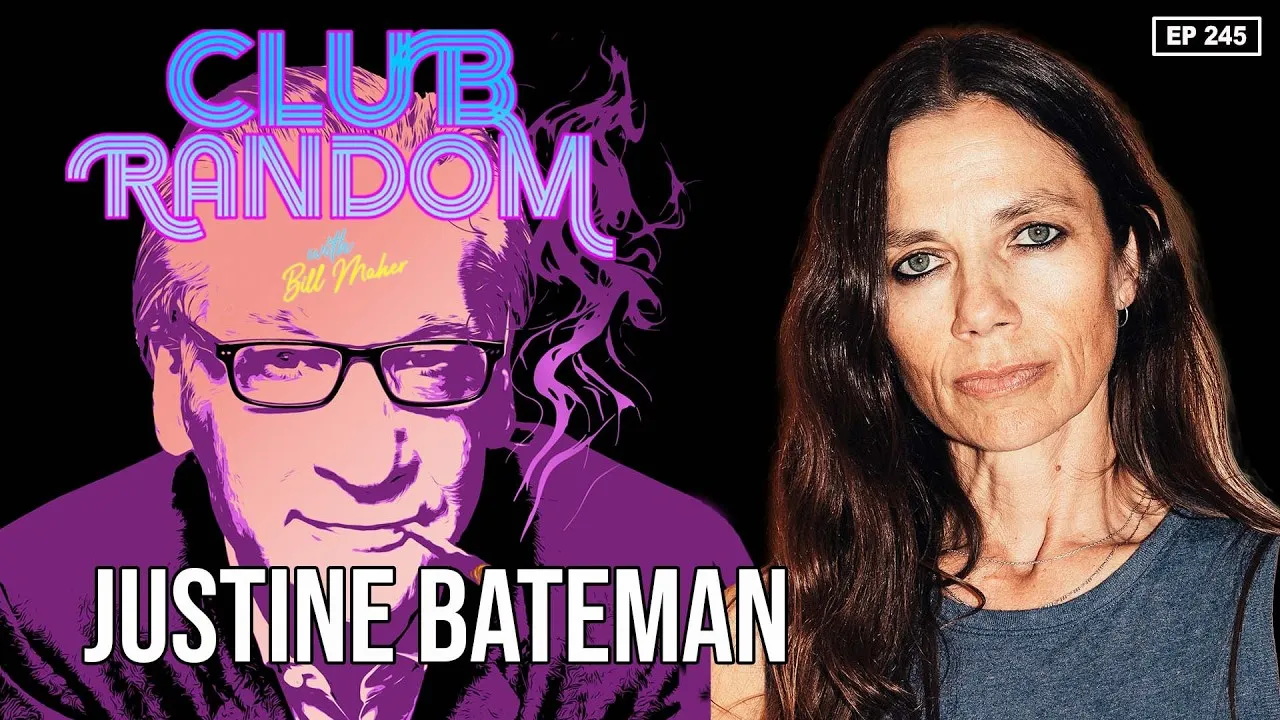
Justine Bateman says indie movies can’t get funded because Hollywood doesn’t make movie stars anymore
On Club Random, Bateman argues that the indie-film bottleneck is not a lack of buyers, it is a lack of bankable actors.
Listen on YouTube
 WATCH NOW↓
Justine Bateman said on Club Random that indie movies can’t get financed because Hollywood no longer makes enough movie stars to satisfy the “list” of actors funders require. Her argument is that the old star system has shrunk so badly that the same tiny pool of name actors is being offered nearly every independent film.
That is the kind of complaint that sounds like someone shaking a fist at Netflix until you realize it’s also a plumbing diagram. Bateman is not merely saying movies used to be better, though she says plenty of that too. She is saying the money pipe is clogged. No stars, no financing. No financing, no movie. No movie, no new stars. Hollywood, meet ouroboros in a Patagonia vest.
for indie films, in order to get the funding, you have to have a cast member or two or three that is on the list,
the list is pretty finite and getting smaller every day because we don’t make movie stars anymore. We don’t make new movie stars anymore.
Bateman, who came up inside the broadcast-TV fame machine on Family Ties and now writes and directs, has the right scar tissue for this complaint. She remembers a business where television could make a household name, theatrical releases could make a career, and a young performer didn’t need an algorithmic side hustle to prove they existed. Now the aspiring movie star is also expected to be a brand, a metrics packet, a podcast guest, and possibly a person explaining their skincare routine under ring light conditions.
The list ate the movie
The sharpest part of Bateman’s case is that she doesn’t blame taste first. She blames finance. Independent films have always needed names to unlock money, foreign pre-sales, distribution interest, or plain old investor confidence. That is not new. What is new is the mismatch between how many scripts are chasing cast and how few actors still feel like bets.
This is where Bateman’s line about Hollywood not making stars is both exaggerated and basically right. Of course there are new stars. Timothée Chalamet and Zendaya did not crawl out of a Turner Classic Movies vault. But the monoculture that used to mint a dozen broadly legible stars at once has been smashed into subscriptions, fandom silos, prestige miniseries, superhero maintenance, TikTok fame, and “wait, is that the guy from that thing?” recognition. Fame got bigger at the top and foggier everywhere else.
Bill Maher pushes the obvious counterargument. He says movies are not dead. Box office still exists. People still like dates where no one has to make eye contact for two hours. Fair. But Bateman is talking about the layer below the blockbusters, the kind of adult-scale independent film that needs one or two bankable actors before anyone will write a check.
movies are back. Movies did very well this year.
Maher is not wrong. He is just looking at the marquee. Bateman is looking at the spreadsheet.
Streaming made everything available and somehow less valuable
Bateman’s broader theory is that streaming wrecked the old math. The movie business used to have a blunt and beautiful transaction, you bought a ticket, I bought a ticket, everyone bought a ticket. Then the streamers arrived with the Costco rotisserie chicken model of culture, one monthly price, a thousand titles, please enjoy this prestige drama between a true-crime doc and a cooking show about murder vibes.
you have $15, pay me and I will give you access to a thousand movies for a month for your you your whole household.
That line is the whole argument in miniature. Streaming didn’t just change where people watch movies. It trained viewers to experience movies as inventory. Bateman even quotes a friend from the sitcom era who put it better than most media analysts with charts.
Now you’re up against everything that was ever filmed.
The verdict here is not that Bateman has discovered the one weird trick that killed cinema. Hollywood has plenty of suspects, risk-averse executives, franchise addiction, brutal marketing costs, audience fragmentation, the collapse of comedy as a theatrical habit, and an awards culture that sometimes seems to reward vegetables for being responsibly steamed. Bateman hits several of those targets too.
But the “list” claim is the useful one because it translates Hollywood malaise into a mechanism. It is not just, the movies are bad now. It is, the system requires stars to finance movies while refusing to build stars at the rate it needs them. That is not nostalgia. That is an industry trying to pay with a currency it stopped printing.
Justine Bateman has a horse in this race, of course. She says she has scripts she can’t get made. Any filmmaker with unmade scripts becomes, at some point, a private-sector prophet of decline. Still, her complaint has the ugly ring of operational truth. If she’s right, the next indie-film crisis will not announce itself as a grand aesthetic collapse. It’ll be quieter than that. A good script. A willing buyer. No actor from the list available until 2029.
- What did Justine Bateman say about indie movies?
- Justine Bateman said independent films often need one or more actors from a small approved “list” to get financed, but that list is shrinking because Hollywood no longer creates new movie stars. Her point was less romantic than nostalgic, financing follows recognizable names, and the industry has stopped manufacturing enough of them.
- Why does Bateman think Hollywood stopped making movie stars?
- Bateman ties the problem to a larger collapse in the old Hollywood machine. Streaming changed the economics, theatrical releases got shorter, promotion got harder, and audiences became fragmented across platforms, which means fewer actors become broadly recognizable in the old way.
- Is Bateman right that streaming hurt filmmakers?
- She is broadly right about the pressure. A subscription model that sells a household access to huge libraries for a monthly fee is very different from a theatrical model where every viewer pays every time. The claim gets a little sweeping, but the financing problem she describes is real enough that indie producers talk about it constantly.
Howie Mandel says he prepared 100 fruit baskets with pre-written apologies for anyone he offended on Club Random
The fruit-basket line sounds like a joke, until Mandel starts sweating on camera and explains the very real panic underneath it.
Ari Emanuel says Jeff Katzenberg tried to charge him $1 million for a Joe Biden meeting
The Hollywood superagent turned a book-plug visit into a live demonstration of why his grudges need their own legal department.
Dr. Daniel Amen says CTE is not untreatable and 80 percent of his NFL patients got better
Amen's football brain claim is the kind of thing parents, former players, and skeptics should all want proven by someone other than Amen.
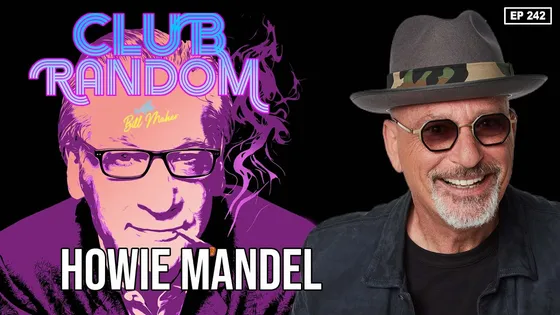
Howie Mandel says a clipped hand-job joke cost him a fortune
Mandel told Bill Maher that a joke clipped out of context made a brand walk away, which explains why the Comedy Store feels safer to him than the internet.
The circuit, read weekly. No noise.