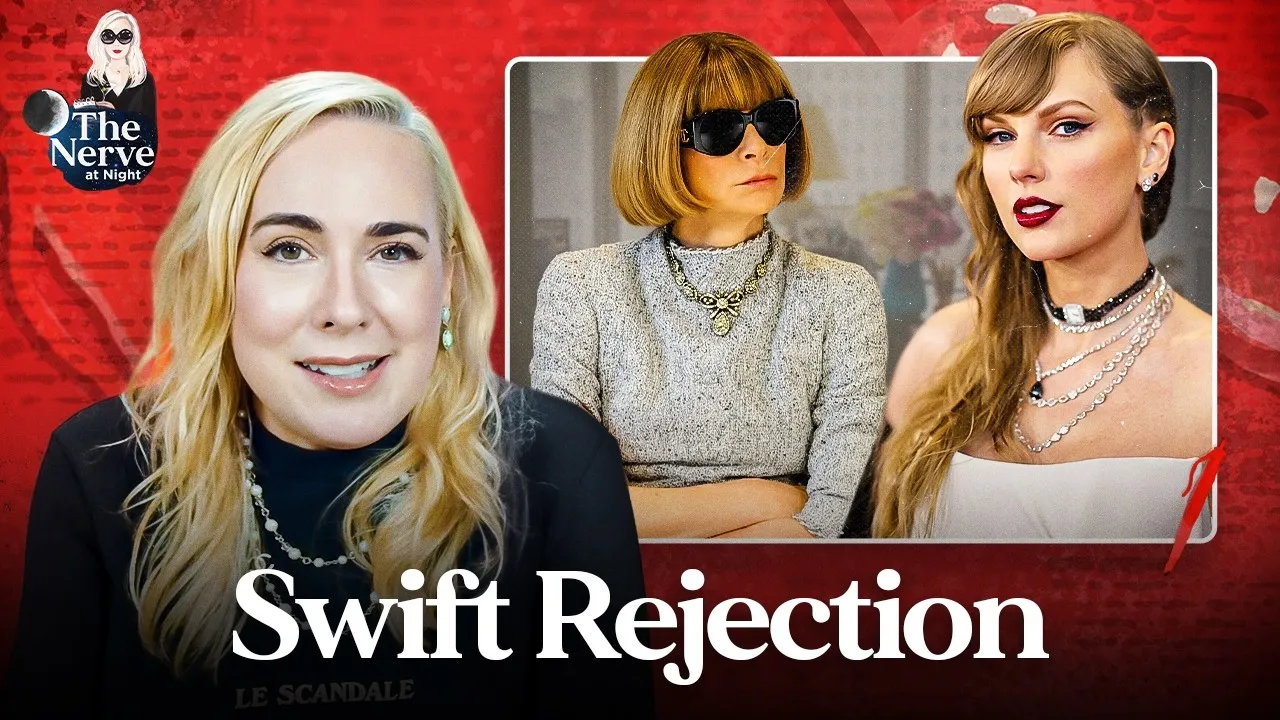
Rob Shuter says Taylor Swift rejected Anna Wintour’s wedding gown help and has six dresses in the running
The celebrity columnist’s read is brutal and very Vogue funeral-coded: Anna Wintour’s old trade, access for influence, no longer works on Taylor Swift.
Listen on YouTube · Spotify · Apple Podcasts
 WATCH NOW↓
 Taylor Swift does not need Anna Wintour to find a wedding dress, which may be the cruelest thing anyone has said about Vogue in years. On The Megyn Kelly Show, Rob Shuter said Swift turned down Wintour’s offer to connect her with couture designers, and he claims there are already about six dresses in contention.
That is a deliciously specific piece of celebrity anthropology. Not because Swift getting access to designers is shocking, please, the woman could call a zipper and have it monogrammed by breakfast. The interesting part is Shuter’s theory of power: Wintour’s magic trick used to be that she could broker the dress, the designer, the photograph, the Vogue validation. Swift’s alleged answer was basically, thanks, but my phone works.
Taylor Swift doesn’t need Vogue. She doesn’t need Anna. And so what makes me laugh here is that Anna needs Taylor way more than Taylor needs Anna.
This is the kind of claim that sounds bitchy until you remember the scoreboard. Taylor Swift is not a star asking fashion for permission. She is a one-woman weather system. Designers do not dress her because they want a nice picture in a magazine. They dress her because one sidewalk photo can move more attention than a month of legacy media choreography.
The old Vogue bargain ran into the Swift economy
Shuter framed Wintour’s alleged offer as part of a familiar arrangement. The celebrity gets the designer connection, Vogue gets proximity, and everyone pretends this is art instead of a soft-power invoice printed on ivory card stock. He cited Melania Trump and Lauren Sánchez as people for whom Wintour’s fashion blessing still mattered, especially Sánchez, who landed the kind of Vogue treatment that once functioned as cultural canonization.
Anna has done this quite a lot of Melania. She she consulted with Anna before she picked her wedding dress and then appeared in Vogue. Lauren Sanchez is probably the best example recently of somebody who who consulted with Anna
His generational read is a little sweeping, but not ridiculous. Vogue still has prestige, archives, photographers, institutional memory, and the ability to make famous people look like they were carved from expensive soap. But the old fear, the fear of being outside the room, has weakened. Under 30, being on a magazine cover is often less powerful than owning the feed. Swift knows that better than almost anyone alive.
if you’re older than 30, Vogue did matter. Like anybody under 30 absolutely do not care about it. Maybe even 40.
The sharpest detail is the six dresses. Shuter says Swift is not planning some bridal quick-change revue, which is good, because nobody needs the Eras Tour: Veil Edition. His point is tactical. If multiple designers are paid, fitted, and sworn into the bridal-industrial witness protection program, nobody can reliably leak the winner.
My fashion sources tell me every designer in the world wants to dress Taylor Swift. In fact, I’m told there’s about six dresses in the running from different designers.
Is this true, or just a very good burn?
Treat it as informed gossip, not a court filing. Shuter attributes the dress count to fashion sources, and the episode does not produce receipts, names of designers, or confirmation from Swift’s camp. Still, the claim fits Swift’s known operating style: secrecy, decoys, symbolic control, and a healthy allergy to letting institutions define her moment for her.
The Anna Wintour part is more arguable. Calling Wintour “irrelevant,” as Shuter does, is too clean by half. Anna Wintour still commands the Met Gala, still controls a major fashion platform, and still has the kind of soft power that makes very famous people put on impossible shoes and climb museum stairs for the privilege of being judged. But irrelevant to Taylor Swift’s wedding dress? That’s a much stronger case.
The episode keeps circling that same corpse: the collapse of forced glamour. Shuter praises Dua Lipa’s small city hall wedding look because it felt unproduced. He says Bee Shaffer walking the Met carpet with a husband she would soon split from made the image more awkward, not less. The subtext is simple. The old machine keeps asking celebrities to perform polish. The audience has gotten very good at smelling the glue.
So if Shuter is right, Swift’s wedding gown is not just a wedding gown. It is a tiny referendum on who gets to bless fame now. Vogue can still open a door. Taylor Swift can build a stadium around the door and sell out six nights.
- Did Taylor Swift really turn down Anna Wintour’s help with her wedding dress?
- Rob Shuter says Anna Wintour offered to connect Taylor Swift with designers for a couture wedding gown, and Swift declined. His larger point is that Wintour’s old bargain, play nice and maybe get Vogue, does not mean much to someone with Swift’s level of fame.
- How many wedding dresses is Taylor Swift considering?
- Shuter says his fashion sources tell him there are about six dresses in the running from different designers. He does not think Swift plans to wear all six, he thinks buying multiple gowns helps keep the final designer secret.
- Why does Rob Shuter think this makes Anna Wintour look weak?
- Shuter argues that Anna Wintour’s influence depended on celebrities needing Vogue, and Taylor Swift does not need Vogue. In his telling, the rejected offer is less a wedding footnote than a small public humiliation for the old fashion monarchy.
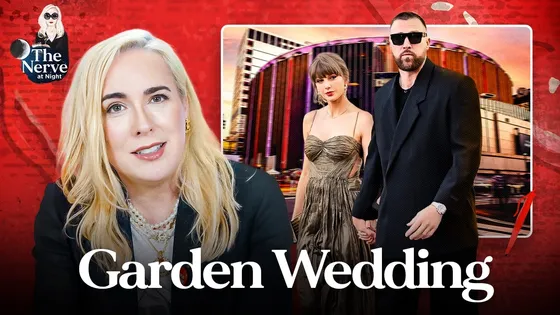
Rob Shuter says Taylor Swift and Travis Kelce’s Madison Square Garden wedding rumor is a decoy
The gossip veteran’s bet is that MSG is the meeting point, not the altar, and that the real wedding happens somewhere else while cameras camp out in Midtown.
Rob Shuter says Taylor Swift’s Madison Square Garden wedding rumor is probably a decoy
The celebrity journalist argues the Madison Square Garden chatter feels too Kardashian, too public, and too convenient to be the real Taylor Swift wedding plan.
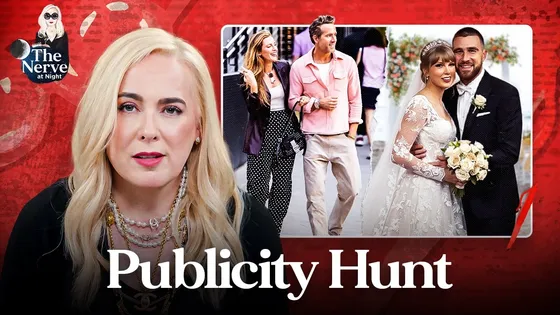
Rob Shuter says Blake Lively and Ryan Reynolds will stage a public outing on Taylor Swift's wedding day to steal headlines
Gossip reporter Rob Shuter tells Megyn Kelly his sources say the couple's image rehab strategy involves a very petty, very public stunt timed to the biggest celebrity wedding of the decade.
Maureen Callahan says Jason Sudeikis is a mean guy and a piece of hot garbage
The celebrity nice-guy brand takes another dent as Callahan and Rob Shuter argue that the Ted Lasso star’s image is starting to crack.
The circuit, read weekly. No noise.