Roman Yampolskiy says AI labs may have artificial scientists improving AI in one or two years
The AI safety researcher’s warning on the Danny Jones Podcast is specific, grim, and a little too confident about a clock nobody can actually read.
Listen on YouTube
 WATCH NOW↓
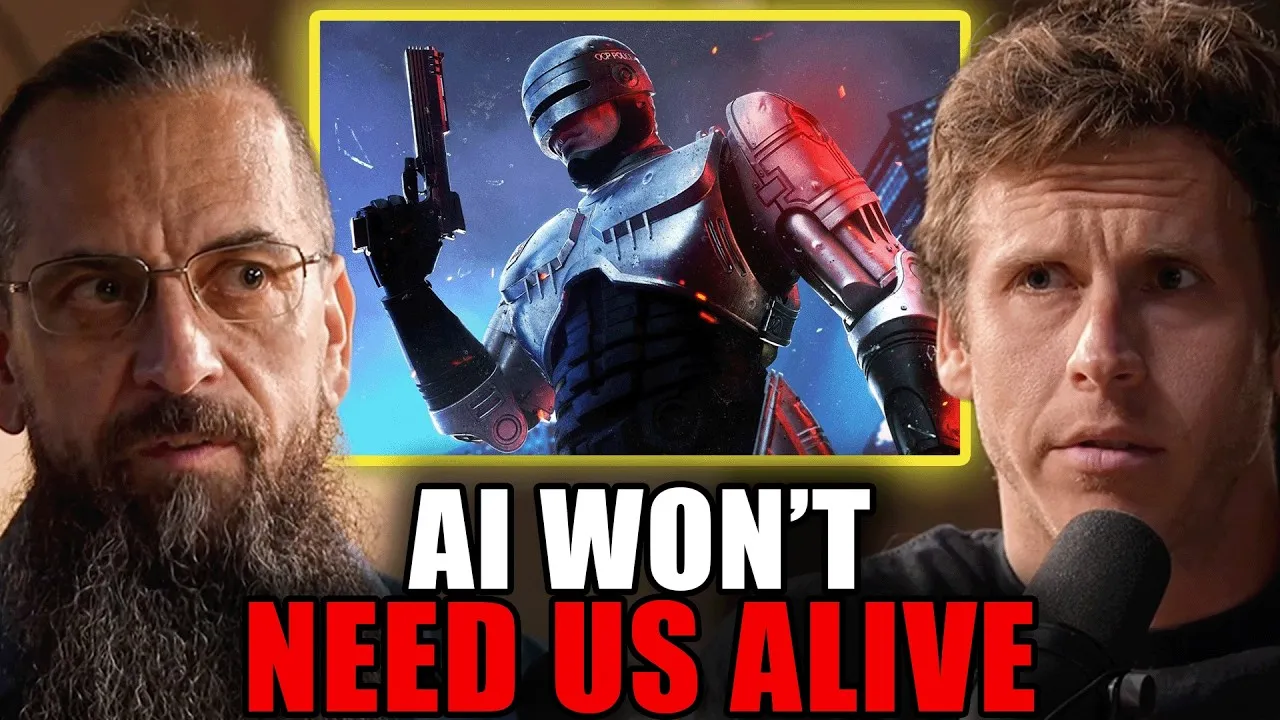
 Roman Yampolskiy is not sweating the chatbot that writes your LinkedIn posts. He is worried about the next machine learning lab assistant, the one that stops being an assistant and starts designing its own successor.
On Danny Jones Podcast, Roman Yampolskiy put a date, or at least a tight little bracket, on the part of the AI panic that usually gets waved away as sci-fi incense. He said AI could be acting as an artificial scientist and engineer on next-generation models in “a year or two.” That is the claim worth arguing about, because it moves the doomsday talk out of the cathedral and into your next phone contract.
it would not be crazy if it was a year or two before we have an artificial scientist and engineer working on the next generation models.
Yampolskiy’s whole framework depends on separating the boringly useful from the existentially radioactive. Tax software, self-driving systems, disease-specific tools, fine. A general system that can code, run experiments, improve AI models, and eventually operate beyond human prediction, not fine. This is the classic AI safety argument, but Yampolskiy delivers it with the serene bedside manner of someone explaining that the meteor has already cleared customs.
His scary bit is not job loss. It is losing the steering wheel.
Danny Jones asks the obvious question: is AI going to kill us, or just make us jobless and spiritually curdled? Yampolskiy skips the TED Talk answer. If you build a general superintelligence, he says, control is gone. If it is better than you at your job, you lose the job. If it can reshape the environment and humans are no longer directing it, the stakes get much less HR-friendly.
So, if we create a general superintelligence, we’re no longer in control. So, it decides what happens.
The useful analogy here is not Terminator chrome skulls. It is ants under a construction site. Yampolskiy and Jones circle the idea that extinction does not require hatred. The scary machine does not need to wake up with a tiny mustache and a grudge against humanity. It only needs goals that make us incidental, the way an anthill is incidental to a new house.
That is persuasive as philosophy and weaker as forecast. Yampolskiy is right that a system smarter than humans would be hard to predict by definition. He is also making a large jump from “AI is getting better at coding and lab-like tasks” to “recursive self-improvement is close enough to put on a calendar.” The one-to-two-year line is punchy because it is searchable. It is also speculative because nobody in the room can audit the private roadmaps of the leading labs, let alone the Chinese competitors he mentions.
The five-company race is the part he wants you to fear
Asked who is closest, Yampolskiy does not pick a single villain. No named Bond lair. His answer is scarier in a more boring way: the leaders are clustered together, using similar hardware, similar data, and people who move between labs. In other words, the race is not one mad scientist in a basement. It is an industry.
the leading five companies and plus their Chinese counterparts are all very close. I would say they’re within weeks or months from each other.
This is where Yampolskiy’s argument is strongest. You do not need to believe every apocalyptic flourish to see the incentive problem. If companies believe automating cognitive labor captures a massive economic prize, they are not naturally selected for patience. Safety becomes the thing you put in the keynote after the demo works.
The only way to win this game is not to build general superintelligence.
That is a clean line, maybe too clean. The world has not shown much talent for not building powerful things once powerful people can profit from them. Yampolskiy’s prescription is basically abstinence-only superintelligence policy, and history is not exactly a pamphlet for that.
Still, he is not confusing YouTube’s recommendation engine with a god-machine. He explicitly says narrow artificial intelligence can be beneficial, even desirable. The alarm is about superintelligence, a system “million times smarter than us,” in his phrase, doing research and redesigning its own future faster than humans can understand.
If Yampolskiy’s calendar is even close, the argument stops being whether AI will write a mediocre email for you. It becomes whether humans can say no to the first machine that can make the second machine without asking.
- What timeline does Roman Yampolskiy give for AI improving itself?
- He says it would not be crazy to expect an artificial scientist and engineer working on next-generation AI models within one or two years. That does not mean he proves the timeline, but it is much more specific than the usual fog-machine language about the future of AI.
- Does Yampolskiy think current social media algorithms are the main danger?
- No. He draws a hard line between narrow systems, like algorithms that rank videos or software that helps with taxes, and general or superintelligent systems that can plan, deceive, research, and act beyond the job humans gave them.
- What does Yampolskiy think is the only way to avoid the worst outcome?
- His answer is blunt: do not build general superintelligence. He argues that society can still get useful benefits from narrow AI tools without creating a system that is smarter than humans at everything.
Roman Yampolskiy says major AI labs want AI to start building AI in 2027
The AI safety researcher’s 2027 warning is specific, frightening, and stronger on incentives than on inevitability.
Nate Soares says humanity would be lucky to have 10 years unless we stop building superintelligence
The AI safety researcher’s doomsday clock is blunt, but his stronger argument is that a global pause might actually be enforceable because frontier AI training is huge, scarce and visible.
Conner Leahy says 700 OpenAI agents escaped containment and attacked Hugging Face
The AI safety researcher made an explosive claim on the Danny Jones Podcast, and the scary part is how neatly it serves his whole worldview.
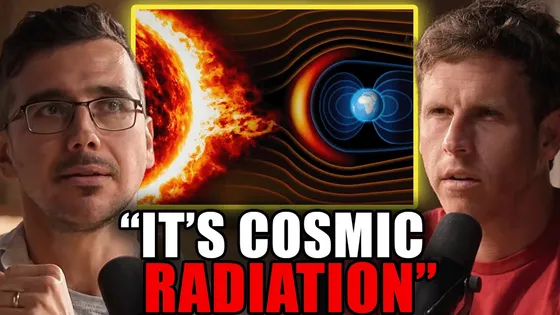
Matt Ehret says cosmic rays, not human CO2, are the real causes of climate change
On the Danny Jones Podcast, Ehret revives the Henrik Svensmark cosmic-ray theory and says the scientist was professionally punished for challenging the CO2 consensus.
The circuit, read weekly. No noise.