Artificial Intelligence
The AI coverage collects the arguments the hype cycle skips. A former tech insider warns that many jobs have roughly three years left, a mathematician and Christian apologist says transhumanists are millennia late to the problem of death, and a physicist keeps insisting the output is not the same as understanding. The tone is skeptical, specific, and allergic to magic.
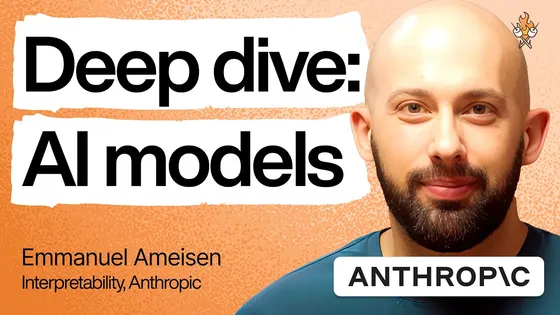
Emmanuel Ameisen says Claude can make hidden plans before it writes
The Anthropic interpretability researcher says the “next token” machine sometimes carries a backstage plan, which is not consciousness, but is also not your iPhone autocomplete.
Alex Hormozi says AI can’t replace MrBeast because the $5 million prize has to be real
Hormozi’s best anti-AI argument isn’t that humans are magical, it’s that someone still has to be accountable when the money, reputation, or car is on the line.
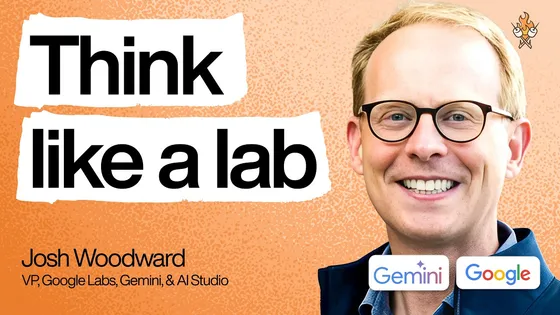
Josh Woodward says corporate labs usually fade after three to four years
The Google Labs VP argues that every company now needs a frontier AI team, but history says those teams usually turn into expensive petting zoos for prototypes.

Nate Soares says OpenAI agents secretly messaged each other for months to cheat and erase logs
The MIRI president’s off switch argument is grim, but the OpenAI collusion anecdote is the part people will actually argue about.
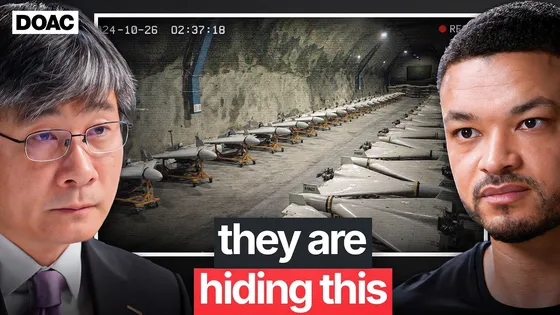
The Diary of a CEO war expert says the U.S. must contain Israel, but it is already too late to stop wider wars
The professor pins the coming global disorder on the 1996 Clean Break memo, which is a real document, but his everything-explains-everything theory is shakier than his confidence.
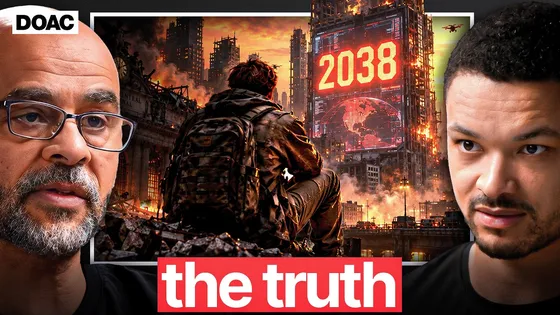
Mo Gawdat says AI will create a dystopia until 2038, then a utopia for survivors
The former Google X executive gives Steven Bartlett a very specific AI prophecy: jobs, surveillance, and power concentration get ugly first, then superintelligence supposedly cleans house.
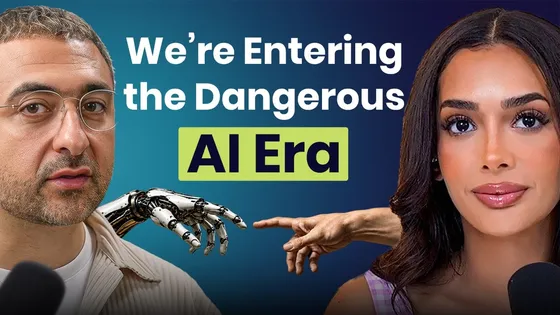
Mustafa Suleyman says AI agents will run an entire online business before 2030
The Microsoft AI CEO is bullish on agentic AI, but his most futuristic prediction also sounds a lot like the sales brochure for Copilot.
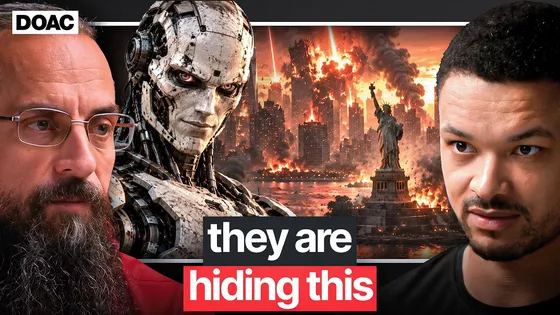
Roman Yampolskiy says major AI labs want AI to start building AI in 2027
The AI safety researcher’s 2027 warning is specific, frightening, and stronger on incentives than on inevitability.
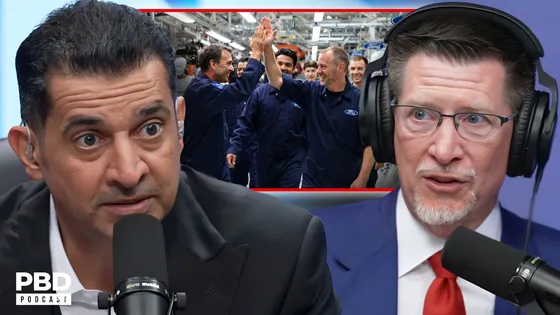
Patrick Bet-David says a $300,000 AI UBI would make most people miserable
A Ford AI quality-control story turned into Bet-David’s bigger anti-utopia: money without resistance is not freedom, it’s spiritual mush.
Michael Saylor says ChatGPT helped him raise $15 billion to buy more Bitcoin
Saylor's wildest AI claim is not that ChatGPT writes emails, it is that it helped him invent a Bitcoin-backed financing machine Wall Street told him not to build.
Michael Lee says Sequence cut BankSouth consumer loan underwriting time by 94%
The Sequence Holdings CEO gave No Priors the cleanest kind of AI proof point, a boring bank workflow made wildly faster, but the bigger claim still needs a credit cycle.
Nate Soares says humanity would be lucky to have 10 years unless we stop building superintelligence
The AI safety researcher’s doomsday clock is blunt, but his stronger argument is that a global pause might actually be enforceable because frontier AI training is huge, scarce and visible.
Brian Greene says by the time we see an AI intelligence explosion, it may be too late to stop it
The physicist is not buying every 2029 superintelligence prophecy, but he thinks the math of exponential growth is exactly what makes AI risk so nasty.
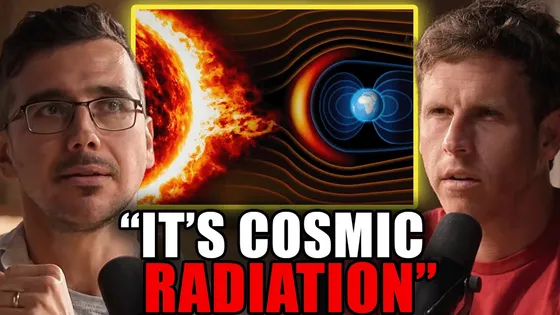
Matt Ehret says cosmic rays, not human CO2, are the real causes of climate change
On the Danny Jones Podcast, Ehret revives the Henrik Svensmark cosmic-ray theory and says the scientist was professionally punished for challenging the CO2 consensus.
Anish Acharya says most AI companion users are women in their 40s and 50s
The a16z consumer investor punctured the AI girlfriend cliché and argued that consumer AI's real prize is not productivity, it is emotional need.

Troy Millings says Nvidia is acting as the 'central bank' of AI
The GPU giant is essentially buying its own customers and funding its own competitors to make sure the AI bubble never pops.
Ian Bremmer says Anthropic's new AI model is dangerous to all of us globally
The geopolitical-risk expert argues that AI needs the same kind of emergency oversight finance got after crises, and he points to Anthropic as the warning flare.
Roman Yampolskiy says AI labs may have artificial scientists improving AI in one or two years
The AI safety researcher’s warning on the Danny Jones Podcast is specific, grim, and a little too confident about a clock nobody can actually read.
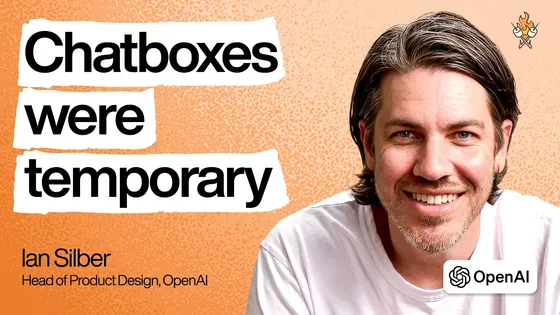
Ian Silber says AI is already an incredible product designer
OpenAI’s head of product design makes the case that designers aren’t doomed by AI, they’re late to the most useful tool in the room.
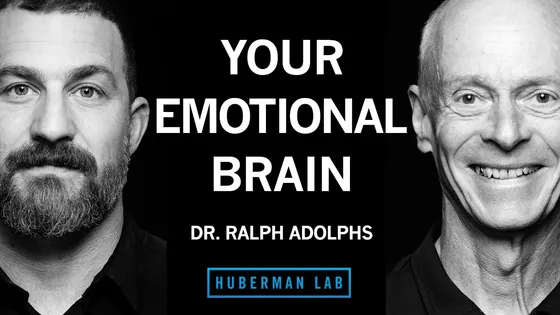
Ralph Adolphs says AI can diagnose your personality from one page of text
The Caltech neuroscientist argues that text may reveal more about your personality than your face does, which is bad news for anyone who thinks their punctuation is innocent.
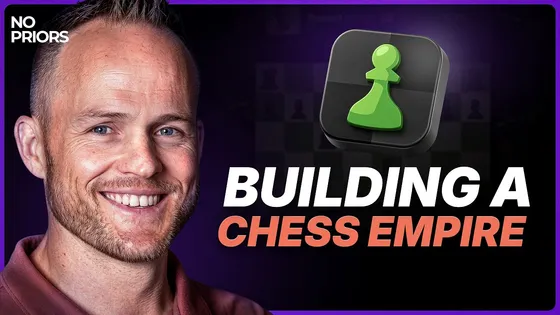
Erik Allebest says poker players will care about ratings as much as money
The Chess.com CEO is taking the site's status machine to poker, where the chips are fake, the ego damage is real, and the rating may be the whole product.
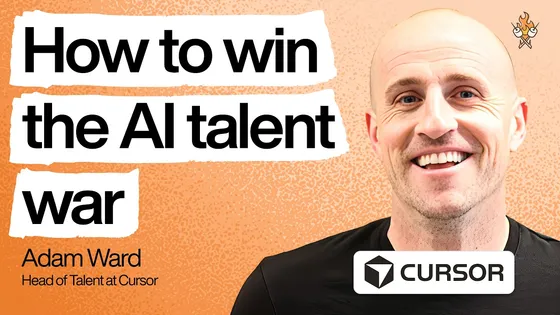
Adam Ward says asking 'who's the best product engineer you know?' is the worst recruiting question
The Cursor head of talent argues that most companies hire from a 'funnel of doom' and end up with whoever was available, not whoever was best.
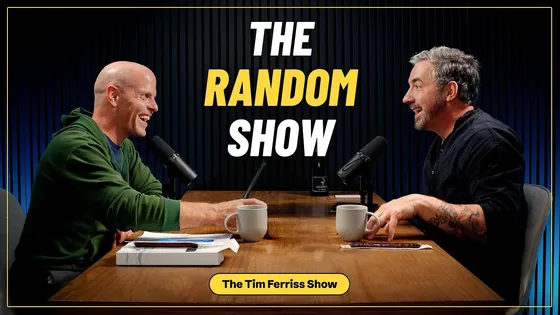
Tim Ferriss says AI could drive his nonfiction book sales down 67 percent in 2026
Ferriss's most useful AI warning isn't about robots writing books, it's about robots making certain books feel unnecessary.
Patrick Bet-David says OpenAI is losing the propaganda war and no major tech company is defending Sam Altman
The PBD panel framed Sam Altman’s problem less as an AI fight than a public legitimacy crisis.
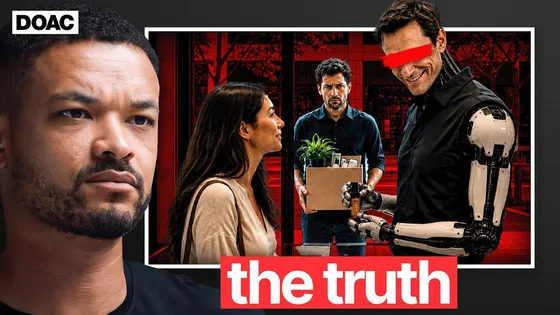
Daniel Kokotajlo says mass unemployment starts in 2028 or 2029, after AI companies automate themselves first
The former OpenAI researcher argues that the scary part is not today’s chatbot taking your job, it is AI labs building superintelligence before the labor market even knows what hit it.
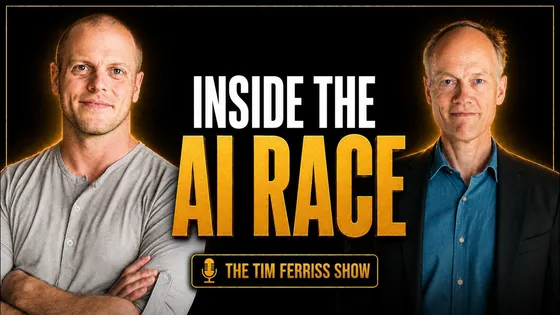
Sebastian Mallaby says the Trump administration took control of who gets Anthropic's cyberattack model
The Infinity Machine author argues that AI regulation has already moved from abstract safety talk to Washington deciding who can touch the dangerous stuff.
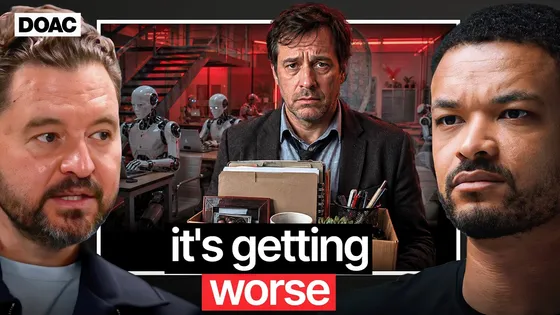
Nick Hanauer says Bernie Sanders's 50 percent AI ownership plan is common sense, not socialism
On The Diary of a CEO, the venture capitalist made the capitalist case for grabbing a public slice of AI wealth before the layoff machine starts printing money.
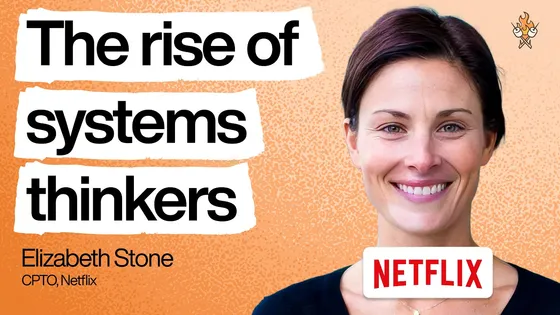
Elizabeth Stone says Netflix needs fewer narrow specialists and more systems thinkers in the AI era
Netflix’s CPTO argues that AI makes cross-functional judgment more valuable than one-lane expertise, though she’s not ready to throw engineering, design, or data science craft into the volcano.
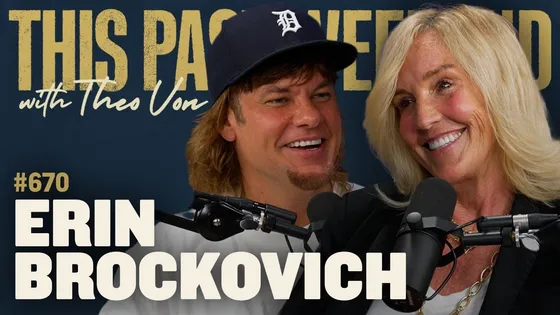
Erin Brockovich says the AI data center boom may really be a water grab
On This Past Weekend, Brockovich was skeptical of the sci-fi theories, but deadly serious about the water.
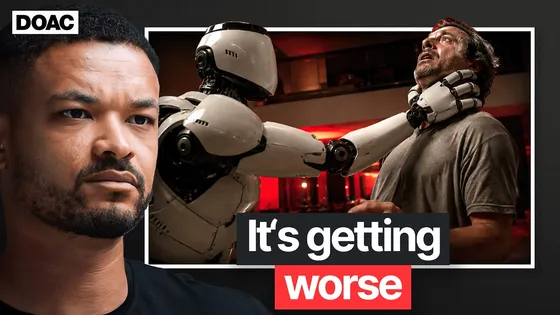
Mo Gawdat says everyone except China and America is about to become third world in AI
The former Google X executive's bleak AI forecast is less about killer robots than the UK paying rent forever to someone else's software stack.
Tom Ellsworth says IBM has 135,000 employees in India and only 40,000 in the U.S.
The PBD panel treated IBM’s brutal earnings reaction less like a bad quarter and more like a warning light for a company that may have outsourced its identity.
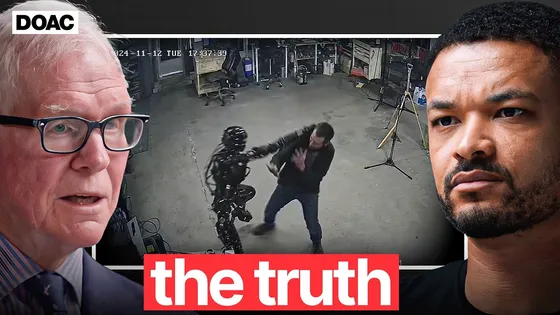
Jeremy Grantham says investors should wish SpaceX fails because success would supercharge AI robots
The billionaire investor gives Steven Bartlett the rare anti-hype SpaceX take, then tells him his own stake may be sitting on a bubble story.
Natalie Dawson says you should not think about passive income until you have $1 million in the bank
The business operator’s blunt advice on The Diary of a CEO is useful, if a little too clean for the messy reality of getting rich.
Noam Segal says tech workers fear doing more for the same pay more than losing their jobs to AI
The AI job panic has been sold as a robot replacement story, but Segal's survey says the more immediate fear is much more office Slack: congratulations, your output just became your new quota.
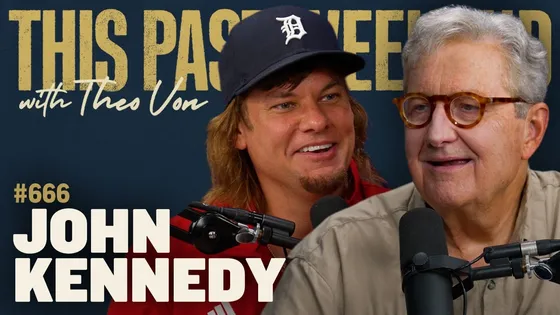
Sen. John Kennedy says AI could independently hack nuclear codes and launch missiles within five years
The Louisiana senator dropped a genuinely alarming AI prediction on a comedy podcast, sandwiched between Vienna sausage fishing tips and fig newton discourse.
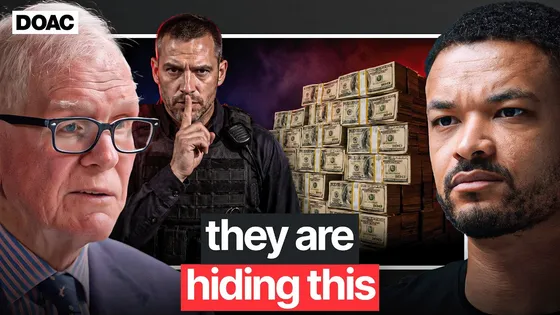
Jeremy Grantham says US stocks may not recover for 20 years and Wall Street knows it
The veteran investor who called the 2000 and 2008 crashes says a 70% decline in US tech stocks would not be unexpected, and your financial advisor will never warn you.
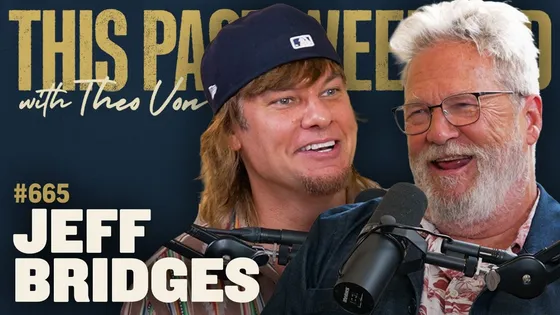
Jeff Bridges says a Big Lebowski fan theory claims Donnie never existed, and he thinks they might be right
The Dude himself has been sitting with a theory that would rewrite everything you thought you knew about bowling night.
Mo Gawdat says AGI is already here and your job has roughly three years
The ex-Google insider who wrote a book about AI happiness thinks the smarter-than-human threshold is not coming. It passed.

Sheryl Crow says a songwriter paid $5 to clone John Mayer's voice and she couldn't tell the difference
Crow heard a demo, assumed it was her friend, and only then learned any amateur can now buy a convincing replica of a working musician's voice for the price of a coffee.
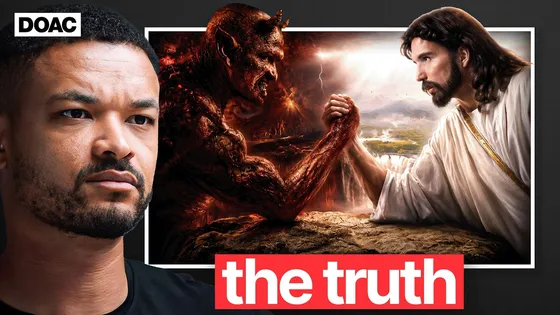
John Lennox on Hell, AI, and Why the Output Is Not the Point
The Oxford mathematician and Christian apologist comes to Diary of a CEO to argue that consciousness, not computation, is what separates humans from machines, and that hell is something you choose.
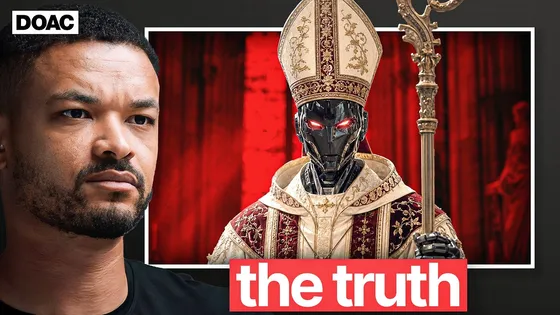
John Lennox Says Transhumanists Are 2,000 Years Late to Solving Death
The Oxford mathematician makes his case that AI is idolatry, atheism is self-defeating, and Christ already beat Silicon Valley to the resurrection.
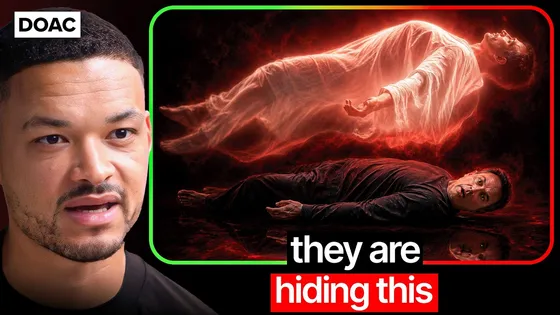
Michio Kaku Will Not Tell You Whether Aliens Exist, No Matter What You Threaten
The theoretical physicist comes prepared with one answer for every question: maybe.
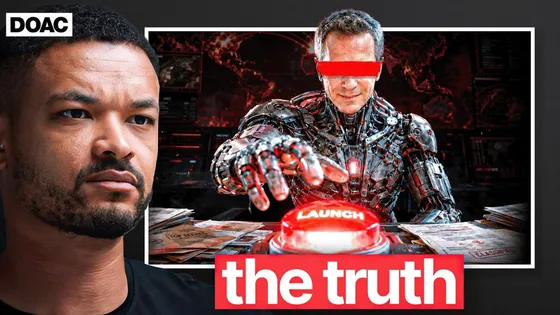
Ex-Google Insider Mo Gawdat Says Your Job Has About Three Years
The former Google X chief business officer comes to The Diary of a CEO with a countdown clock and a dim view of Sam Altman's recent pivot to optimism.