Skilla Baby says getting shot made him evil, and the most gangster thing he could do was heal
The Detroit rapper gives the rare anti-revenge answer that doesn't sound like a Hallmark card.
Listen on YouTube
 WATCH NOW↓
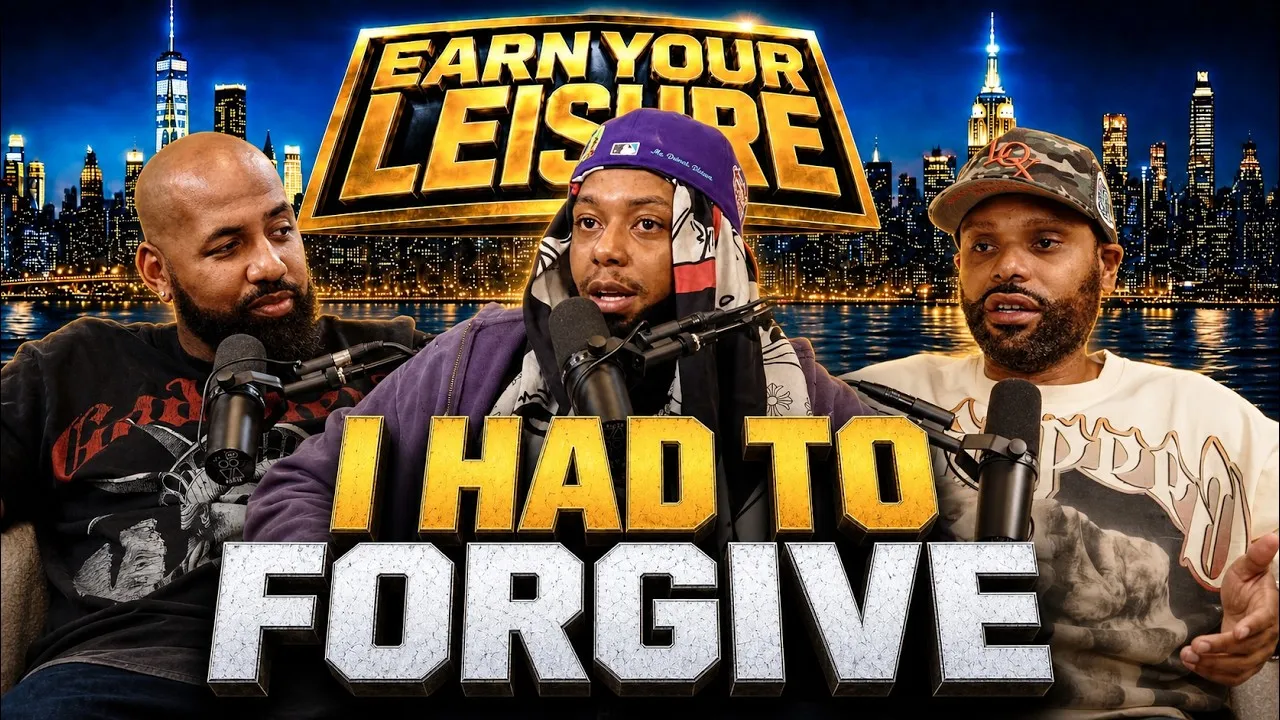
 Skilla Baby says getting shot didn’t turn him into a saint. It made him, in his own word, evil. That is the useful part of his Earn Your Leisure interview, because rappers talking about pain often get shoved into two lazy bins, revenge movie or redemption brochure. Skilla Baby chooses the messier middle, the one where forgiveness is not a pose, healing is not instant, and the grown-man move is admitting you still want to crash out sometimes.
Honestly, it made me bitter. It made me evil. I had to um really That was my hardest fight.
That answer arrives after the hosts ask the obvious question, the one hanging over the episode title in neon, whether being shot made his heart colder. Plenty of artists would have reached for a polished sermon here. Skilla doesn’t. He says pride made letting it go difficult, especially because, as he puts it, doing the easy thing would have meant harming somebody or doing something crazy.
The anti-revenge speech that doesn’t sound fake
The line everyone will clip is also the line that could have been corny if it came from almost anyone else.
like the most gangster thing you could do is heal,
On paper, that’s a motivational hoodie. In context, it has weight because he doesn’t pretend he’s floated above the old instincts. He says he had money, resources, and the capacity to go backward. He also says he had to remove himself from the world for a minute, which is a much darker admission than the usual celebrity wellness language about taking space.
I had a real evil stint to where like I was really evil and I had to hide myself in the house cuz a lot of people would have caught the short end of the stick.
The verdict, then, is that his claim is persuasive precisely because it’s incomplete. He is not saying, look at me, I forgave and ascended. He is saying he is still in the gym of it, still trying not to let one violent event write the rest of his life. That is a rarer public posture for a rapper than people like to admit. Rap has always had regret, grief, prayer, and therapy buried inside it, but the algorithm still rewards the cleanest menace.
The hosts bring up Wallo forgiving the person who killed his brother, and King Von’s warning about the eye-for-an-eye cycle that leaves everyone dead. Skilla’s answer is less cinematic. Don’t lie to kids, he says. Give them options. Tell them what happens next. That’s not soft. That’s risk assessment with a Bible app reminder.
if you gonna make a decision, sit on it first and weigh your options.
The fast, the timers, and the very unglamorous work
The practical stuff matters. After the shooting, he says he got surgery, started going back to the gym, and built a discipline test around prayer and fasting. Not the celebrity version where a man discovers matcha and breathwork and suddenly has a supplement line. His list is almost comically plain, no sugar, no bread, no sex, no potatoes. Detroit stoicism, now with macros.
No sugar, no bread, no sex. Um, no sugar, no bread, no sex, and no potatoes. And that really helped me stay disciplined.
He also says his next test is not survival, but success. Can he keep praying when he has everything he wants? That’s the part that separates this from the usual trauma interview. The problem is not only how a person behaves when he’s wounded. It’s what happens when the money, the attention, the features, and the acting opportunities arrive and nobody can tell him anything.
And there is money. Skilla talks about Detroit property with the calm of someone who understands dirt better than derivatives. He says he bought houses around future development, including a hospital expansion and a Detroit Lions practice facility, and that some properties he bought for around $20,000 apiece could become worth hundreds of thousands after renovation. The hosts try to nudge him toward stocks and crypto, but he admits he pulled out of Bitcoin too early because he wasn’t patient enough. A refreshing confession from a rapper on a financial podcast, no fake Warren Buffett cosplay.
The property talk is not separate from the forgiveness talk. It is the same survival plan in a different outfit. Buy land so rap isn’t the only exit. Sit on a decision before it becomes a sentence. Don’t let one bad day make your family inherit the fallout.
If Skilla’s claim is true, the stake for his young listeners is brutally concrete. Healing is not a vibe. It is the difference between going home, buying the block, and making the album, or becoming somebody else’s cautionary clip.
- Did Skilla Baby say he forgave the person who shot him?
- No. His answer is more interesting than that. He says he's working on it, talks to God when the thoughts come back, and refuses to sell kids a clean little morality tale about forgiveness he hasn't fully reached.
- What does Skilla Baby mean by healing being gangster?
- He means restraint is the harder flex. In his telling, retaliation was available, even easy, but walking away meant swallowing pride, thinking about his family, and choosing a future over a reaction.
- What else did Skilla Baby talk about besides getting shot?
- He talked about buying Detroit houses as a safety net, learning business by making mistakes, being mentored by 50 Cent for acting, landing a Nas feature, and building his album The Price of Fame around faith and ethical values.
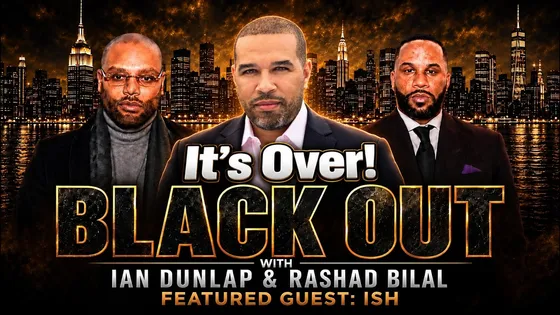
Ish says if he had LeBron James money, his friends would fly first class with him
A Savannah James travel clip turned into a messy, useful argument about generosity, entitlement, and whether rich friendship quietly becomes payroll.
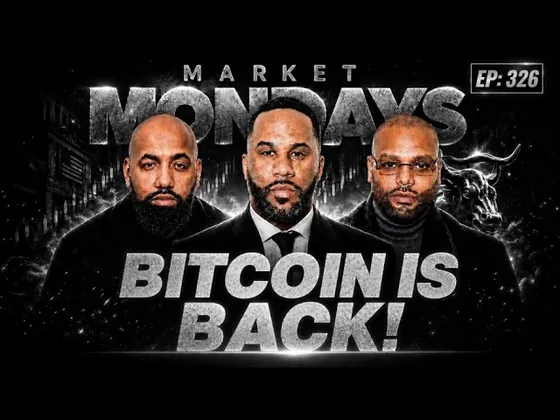
Troy Millings says Nvidia is acting as the 'central bank' of AI
The GPU giant is essentially buying its own customers and funding its own competitors to make sure the AI bubble never pops.
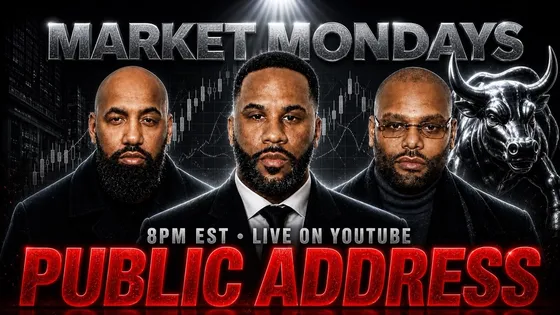
Rashad Bilal says one Micron call made him more money than Investfest
The Earn Your Leisure cofounder framed Investfest as a community-first loss leader, not a cash grab, during a pointed public address to critics.
Rashad Bilal says Big Meech belonged at Invest Fest because he served 25 years
The Earn Your Leisure crew turned a photo-op controversy into a bigger argument about reentry, respectability politics, and who gets counted as Black culture.
The circuit, read weekly. No noise.