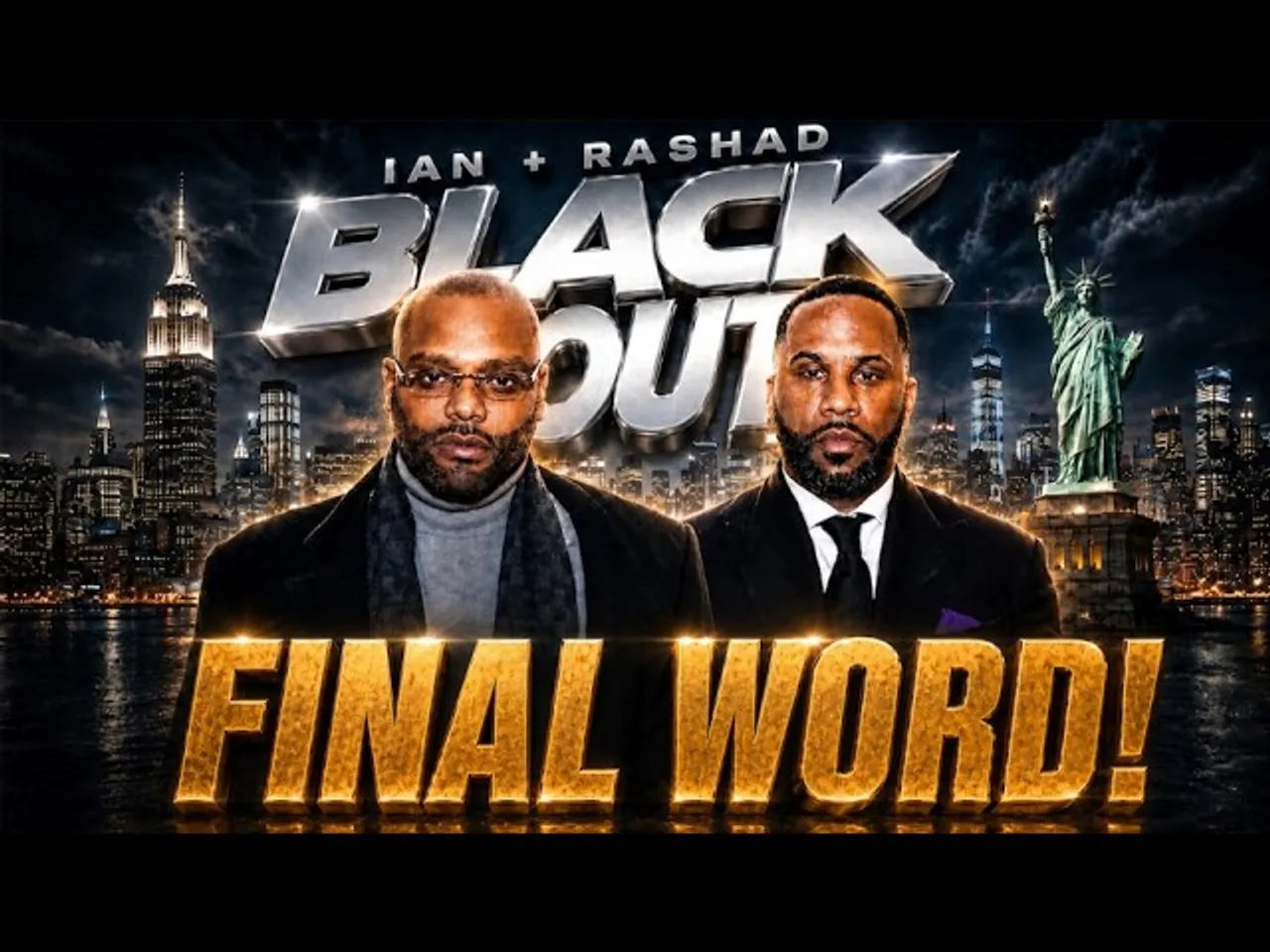
Rashad Bilal says Big Meech belonged at Invest Fest because he served 25 years
The Earn Your Leisure crew turned a photo-op controversy into a bigger argument about reentry, respectability politics, and who gets counted as Black culture.
Listen on YouTube
 WATCH NOW↓
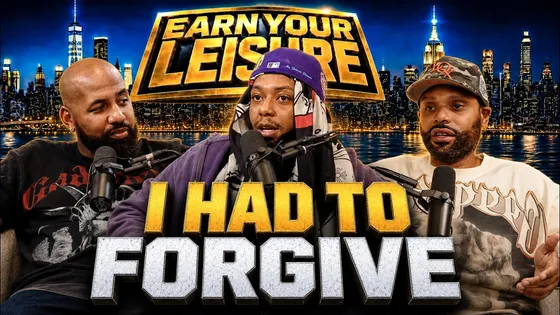
 Rashad Bilal’s answer to the Big Meech question was not subtle: if the man did 25 years, why are you still trying to keep him in prison socially? On Earn Your Leisure, Bilal defended Big Meech’s presence at Invest Fest as both a reentry issue and a respectability-politics trap.
This is exactly the kind of controversy Invest Fest now seems built to metabolize. The event wants Davos energy, hip-hop gravity, HBCU reunion warmth, and a little WWE heel heat, preferably all before the black-tie gala. So when critics objected to Big Meech being in the room, Bilal didn’t apologize. He treated the objection as proof that some people want Black success, but only if it arrives in a blazer, with no record, no scars, and no inconvenient cousins.
Anybody’s invited to Investfest. It’s a open invitation to the world.
The reentry argument is the strongest one
Bilal’s cleanest point was about criminal justice. If prison is supposed to be punishment and rehabilitation, then a person who serves the sentence is supposed to have a path back. Not sainthood. Not instant moral authority. A path. That distinction matters, because public life has gotten very comfortable with pretending to believe in second chances while treating certain people as permanently radioactive.
What is the point of having a criminal justice system if you’re not going to respect it? He got sentenced by the federal government and did 25 years in jail.
That is a real argument, and not just a convenient one. The United States loves the word rehabilitation until the rehabilitated person shows up somewhere visible. Then the room starts whispering. Bilal is right to call out the hypocrisy, especially when entertainment culture has spent decades turning the same street economies into lyrics, series, documentaries, fashion cues, and nostalgia packages. Apparently the story is profitable, but the person is too messy.
Where Bilal gets more slippery is when the defense of inclusion starts sounding like a blanket cultural credential. Big Meech can be part of Black culture without every criticism of his public celebration being elitist pearl-clutching. Some people are not objecting because they rowed crew at a boarding school. Some are objecting because the damage around drug economies was real. Bilal’s reply has force, but it also turns a complicated public figure into a referendum on whether you are down with the whole cookout.
We accommodate everybody from the billionaires to the brother that’s on the street that just came home from jail to the entrepreneur to the person that’s in the H.B.CU to you to the person that’s trying to figure it out to somebody that’s raising capital.
Then Ian Dunlap went full alternate-history Buffett
Ian Dunlap agreed with the bigger idea and took it to the most Earn Your Leisure place imaginable: what if the drug kingpin had simply gotten a better asset-allocation syllabus? It is a wild sentence, and also the show’s whole worldview compressed into one protein shake. Talent is everywhere, markets are a language, and the difference between empire and indictment is sometimes who taught you the game first.
I’ve always said if Meech had the opportunity to learn this early, he would have been Buffett.
Come on. Warren Buffett is not just a guy who had hustle plus a brokerage account. That comparison is pure Dunlap, provocative, useful for a clip, and a little too neat. But underneath the hyperbole is the more interesting claim: that the same leadership and risk tolerance that can wreck a community can, under different conditions, build something legitimate. That is both inspiring and suspiciously flattering to the Invest Fest brand, which happens to sell the different conditions.
Still, the Big Meech defense lands harder than the usual celebrity-event damage control because Bilal did not pretend this was just about a guest list. He made it about who gets welcomed back, who gets permanently disqualified, and why Black business spaces are so often asked to sanitize themselves before being taken seriously. If Invest Fest wants to be compared to Davos, as Bilal said elsewhere in the episode, it also wants the right to bring the whole complicated family reunion with it.
That means the next version of the argument can’t just be, he served his time. It has to answer the harder question hiding behind the backlash: what does a public second chance ask from the person getting it, besides showing up in the room?
- Why were people criticizing Big Meech being at Invest Fest?
- The criticism was that Big Meech's past made him an inappropriate figure to welcome around a business and investing event. Bilal rejected that framing, arguing that the justice system already punished him and that refusing him any public reentry turns prison into a permanent social sentence.
- What was Rashad Bilal's defense of Big Meech?
- Bilal said Big Meech did 25 years and paid the debt assigned by the federal government. His larger point was that a community event can't claim to represent Black culture while excluding people who came from the street, made mistakes, served time, and are trying to move differently.
- Did Ian Dunlap agree with the defense?
- Yes, and he pushed it even further. Dunlap argued that Big Meech had leadership and entrepreneurial traits that, with early access to investing education, could have gone in a completely different direction.
Rashad Bilal says one Micron call made him more money than Investfest
The Earn Your Leisure cofounder framed Investfest as a community-first loss leader, not a cash grab, during a pointed public address to critics.
Troy Millings says Nvidia is acting as the 'central bank' of AI
The GPU giant is essentially buying its own customers and funding its own competitors to make sure the AI bubble never pops.
Ian Dunlap says McDonald's biggest competitor is Eli Lilly, not Burger King or Chipotle
On Market Mondays, Dunlap made the case that appetite-suppressing drugs are now part of the fast food bear case.
Skilla Baby says getting shot made him evil, and the most gangster thing he could do was heal
The Detroit rapper gives the rare anti-revenge answer that doesn't sound like a Hallmark card.
The circuit, read weekly. No noise.