The Twenty Minute VC host says Silverstone went from near bankruptcy to worth about £500 million
The British Grand Prix was almost priced out of Formula 1, then Liberty Media changed the math.
Listen on YouTube
 WATCH NOW↓
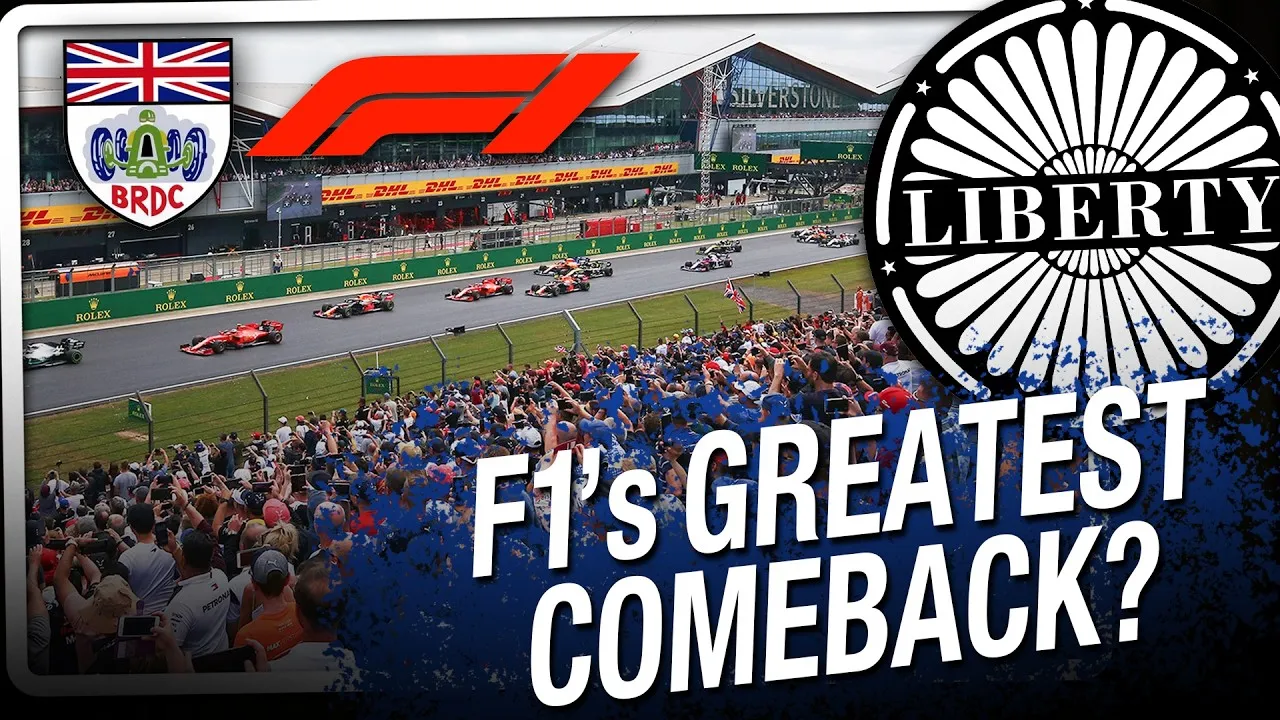
The Twenty Minute VC host says Silverstone went from being on the verge of bankruptcy in 2015 to a business probably worth about £500 million within 10 years. The claim is that Liberty Media’s better British Grand Prix deal helped turn a drowning private members’ club into one of the great recent sports business rescues.
That is a real claim, not just petrolhead incense. Silverstone is not some oil-state vanity circuit or a Vegas neon aquarium built for corporate lanyards. It is owned and operated by the British Racing Drivers Club, a gloriously odd clubby institution whose leadership roll call sounds like someone asked ChatGPT to generate a green room at Goodwood: David Coulthard, Martin Brundle, Ron Dennis, Damon Hill, Nigel Mansell, Jackie Stewart. Blazers. Lap times. Possibly a terrifying cheese board.
the costs are more than the revenues.
That line is funny because it is also the whole pre-Liberty Formula 1 hosting model in a sentence. Under Bernie Ecclestone, circuits paid rising hosting fees for the privilege of staging a Grand Prix. Silverstone got ticketing. Formula 1 kept the bigger commercial machinery. According to the episode, those fees climbed from £5 million to £10 million to £15 million a year, with a 5 percent annual escalator at a time when inflation was low and Formula 1 itself was creaking.
Bernie sold scarcity. Liberty bought fandom.
The host’s argument is that Ecclestone looked at Silverstone and saw a customer that could be squeezed. Liberty Media looked at the same place and saw televised proof that Formula 1 still had a pulse. A packed British Grand Prix, with nearly 200,000 people losing their minds, is not just an event. It is marketing collateral with mud on its shoes.
the British Grand Prix is a crucial bit of IP which lends into the value of the entire thing
That phrasing, corporate and slightly ugly, is also basically right. F1 can sell Qatar, Saudi Arabia, Abu Dhabi, Singapore, Miami, and Las Vegas precisely because the championship still has old cathedrals. Silverstone is one of them. If everything becomes a premium hospitality deck next to a state-funded fireworks budget, the sport starts looking less like a championship and more like a roadshow for sovereign wealth funds.
The episode says Liberty gave the BRDC a more workable deal, and Silverstone did not waste the reprieve. The circuit added or expanded hospitality, a heritage center, conference facilities, a hotel, and year-round business. The numbers cited are striking: £110 million in annual turnover, about half from the British Grand Prix and half from the rest of the year, plus £14 million in pre-tax profit and almost £50 million in cash reserves.
the most astonishing sports business turnaround.
The £500 million number is spicy, not gospel
Here is where the eyebrow goes up. The host says Silverstone would probably be worth the thick end of £500 million if the BRDC were a private company selling itself. That is plausible as pub-math, not a reported market price. A venue with £110 million of revenue, real profit, a major global event, and growing hospitality income would absolutely command a serious multiple. But a members’ club with a historic circuit and one giant dependency on the F1 calendar is not the same as a software company with recurring revenue and no gravel traps.
you’ve gone from something on the verge of bankruptcy to something that’s worth 500 odd million in the space of 10 years
Still, the larger point holds. Silverstone did not get saved by nostalgia alone. It got saved because Liberty decided heritage had commercial value, then the BRDC behaved less like a club that happened to host a race and more like a modern venue operator. The romance needed spreadsheets. Horrible news for everyone who prefers their motorsport with tweed and vibes.
The cleanest contrast in the episode is with the rest of the F1 calendar. State-backed races can justify monster hosting fees as tourism, soft power, or national branding. The episode cites Azerbaijan around $57 million a year, Qatar and Saudi Arabia around $55 million, and Abu Dhabi at $42 million. Silverstone cannot play that game. Its only viable path was to make the British Grand Prix so valuable to Formula 1 that Formula 1 had to stop treating it like just another invoice.
it’s $700 million a year
If the host is right, the lesson is brutal and useful: in modern F1, history does not protect you unless someone can monetize it. Silverstone nearly found that out the hard way.
- What did The Twenty Minute VC say about Silverstone?
- The host argued that Silverstone has pulled off a huge sports business turnaround, moving from the verge of bankruptcy around 2015 to a business that could be worth roughly £500 million. The number is not a confirmed sale valuation, but a back-of-the-envelope estimate based on the circuit's reported £110 million turnover, roughly £14 million pre-tax profit, and improved commercial position.
- Why was Silverstone nearly bankrupt?
- The episode pins the crisis on Bernie Ecclestone-era Formula 1 hosting fees. Silverstone had to pay rising annual fees while keeping mainly ticketing revenue, with no TV rights money and limited commercial upside, which made the British Grand Prix increasingly unaffordable for the BRDC.
- What changed after Liberty Media bought Formula 1?
- Liberty Media treated the British Grand Prix as valuable heritage and fan IP rather than just another bidder for a race slot. According to the episode, Liberty cut Silverstone a better deal, while the BRDC built a more diversified venue business with hospitality, a hotel, a heritage center, conferences, and year-round events.
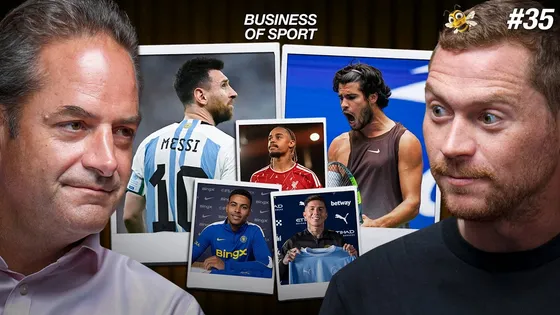
Charlie Methven says Ipswich Town spent more on transfers than Barcelona, AC Milan, Juventus and PSG
The Premier League transfer market has reached the point where a promoted English club can look richer than European royalty.
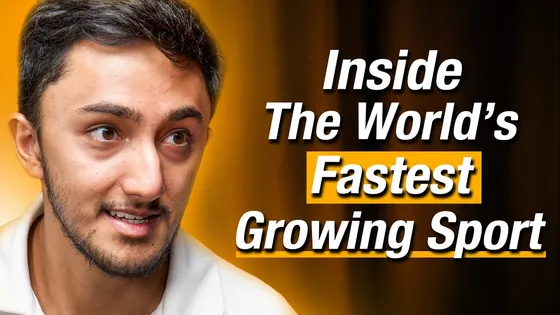
Nikhil Mohindra says padel participation will overtake tennis in 10 years
The Team GB padel player makes the bullish case for the sport, then accidentally explains why the boom could also eat itself.

Mirwan Suwarso says Como 1907 is worth close to a billion after being bought for 850,000
The Como executive’s valuation sounds like Football Manager with a private lake, but the pitch is less about goals than hotels, merch, ticketing, and turning Italian football into a service business.
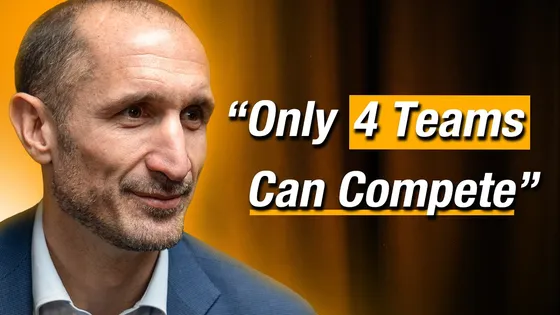
Giorgio Chiellini says Bournemouth can spend much more than Juventus today
The former Juventus captain used Bournemouth as the perfect, mildly horrifying unit of measurement for the Premier League money machine.
The circuit, read weekly. No noise.