Ian Dunlap says McDonald's biggest competitor is Eli Lilly, not Burger King or Chipotle
On Market Mondays, Dunlap made the case that appetite-suppressing drugs are now part of the fast food bear case.
Listen on YouTube
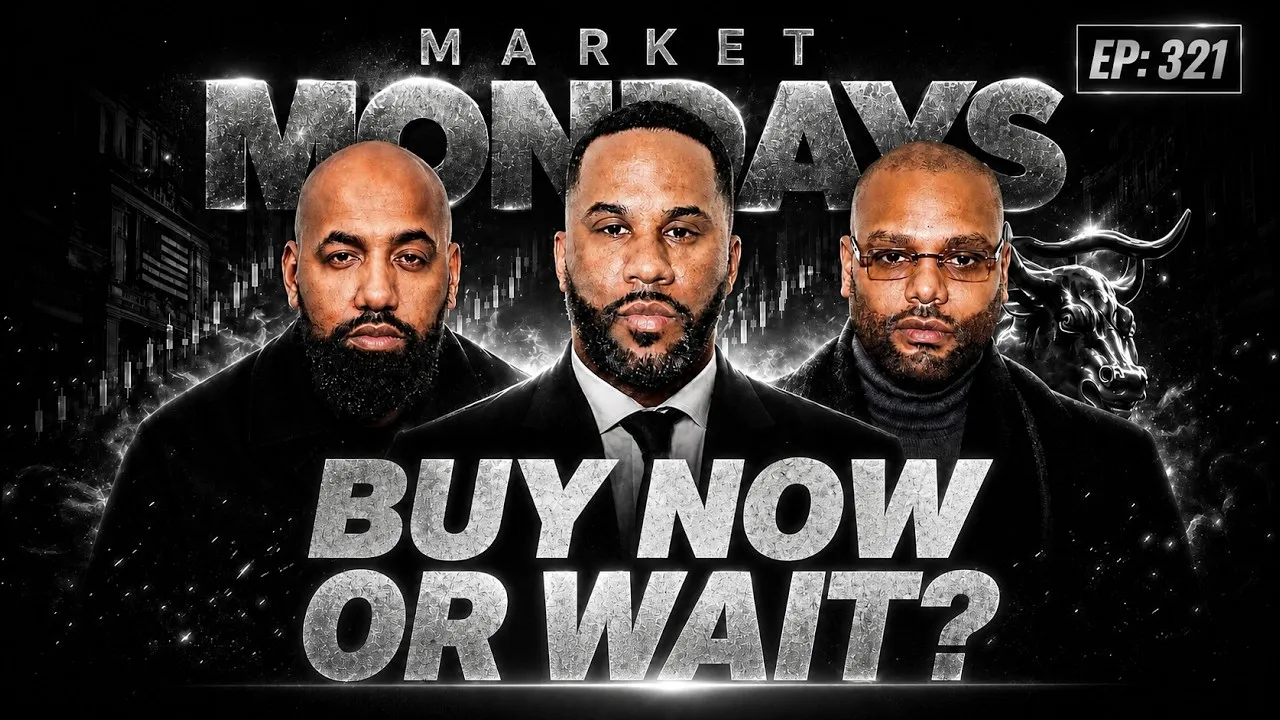 WATCH NOW↓
 The funniest bear case for fries is not that Burger King finally figured out vibes. On Earn Your Leisure, Ian Dunlap argued that McDonald’s real problem is Eli Lilly, because GLP-1 weight loss drugs are coming for the appetite that made the Golden Arches a printing press.
That is the kind of market take that sounds like a bit until you sit with it for five seconds. McDonald’s does not need to lose customers to Wendy’s to feel pressure. It can lose frequency, basket size, late-night impulse orders, and the old family ritual of walking into a McDonald’s because everyone is tired and nobody wants to cook. If millions of consumers are eating less, thinking harder about food, or paying hundreds of dollars a month to not want the thing McDonald’s sells, then yes, the rival might wear a lab coat.
McDonald’s, Starbucks, and a few other fast food chains biggest competition is Eli Lilly.
The fast food bear case has a prescription pad
Dunlap brought it up while discussing McDonald’s stock, which he said he liked around the mid-240s, with a lower target near the sub-220 area if the slide got uglier. Then he swerved into the bigger idea. The classic investor comp set, Burger King, Chipotle, Cava, misses the weirdness of 2026. The threat is not a better burger. It is fewer cravings.
McDonald’s competitor isn’t Burger King or Chipotle or Cava. It’s Lily and Waggoi and that whole suite of products.
Read that as Eli Lilly and Wegovy, because autocaptions were apparently on their own cheat day. The larger point is easy to follow. GLP-1 drugs are not just a health story or a pharma story. They are a consumer spending story. If the drugs reduce hunger, and hunger is the invisible salesperson behind fries, nuggets, Frappuccinos, and the panic order you place after a bad meeting, then the business model changes at the margin.
Dunlap did not say McDonald’s is cooked. He gave the company its usual investor flowers, especially the real estate angle. But he separated the business from the stock price. That is the actual useful part. A great company can be a less exciting stock when investors start pricing in new threats.
even though they of course have the real estate as a long-term investment play, which will work in perpetuity, I don’t think people want to pay a premium price for the stock if you have those competitive headwinds coming.
Smart take, convenient book
The verdict: this is sharp, but not airtight. The episode does not give McDonald’s sales data tied to GLP-1 usage, and Dunlap is also bullish on Eli Lilly, which means the argument wears a little bit of its portfolio on its sleeve. Earlier, when the hosts were naming long-term holdings, Lilly kept showing up like the friend who somehow gets invited to every dinner.
I don’t want to do Lily because you said it, but I just feel like in terms of in terms of the disruptive industries, healthcare is going to be one.
Still, the reason the claim works is that it refuses the lazy chart-reader habit of only comparing companies to lookalikes. McDonald’s is not just competing with other restaurants. It competes with groceries, rent, student loans, DoorDash fees, shame, convenience, childhood nostalgia, and now, maybe, injectable self-control. That is brutal. Also very American.
The rest of the episode hammered the usual Market Mondays gospel: hold long term, stop confusing sports betting with investing, do not chase every shiny trade, and please stop acting like a 20-year S&P 500 hold is the same thing as a same-game parlay. MG the Mortgage Guy later came on to say foreclosure filings are rising but America is not in a foreclosure crisis, which is a useful housing correction. But the line people will remember is the one that makes a Happy Meal sound like a pharma casualty.
If Dunlap is right, the next McDonald’s earnings call has a strange question hanging over it: how do you sell more fries in a country that is spending billions to want fewer fries?
- Did Ian Dunlap say McDonald's stock is doomed because of GLP-1 drugs?
- No. He still called McDonald's a strong real estate-backed business over the long run. His point was that investors may not want to pay a premium for the stock if appetite-suppressing drugs and healthier habits become lasting headwinds.
- Why would Eli Lilly compete with McDonald's?
- Dunlap's argument is that GLP-1 drugs change how much people want to eat, which hits fast food demand from outside the restaurant business. That makes Eli Lilly a strange but plausible rival, because it attacks the craving, not the menu.
- Is the McDonald's versus Eli Lilly claim proven?
- Not from this episode alone. It is a smart investor frame, but it needs sales data, customer behavior data, and time. The claim is useful because it forces listeners to think beyond obvious competitors, but it is also convenient for a panel that repeatedly praised Eli Lilly as a long-term holding.
Troy Millings says Nvidia is acting as the 'central bank' of AI
The GPU giant is essentially buying its own customers and funding its own competitors to make sure the AI bubble never pops.
Rashad Bilal says one Micron call made him more money than Investfest
The Earn Your Leisure cofounder framed Investfest as a community-first loss leader, not a cash grab, during a pointed public address to critics.
Rashad Bilal says Big Meech belonged at Invest Fest because he served 25 years
The Earn Your Leisure crew turned a photo-op controversy into a bigger argument about reentry, respectability politics, and who gets counted as Black culture.
Skilla Baby says getting shot made him evil, and the most gangster thing he could do was heal
The Detroit rapper gives the rare anti-revenge answer that doesn't sound like a Hallmark card.
The circuit, read weekly. No noise.