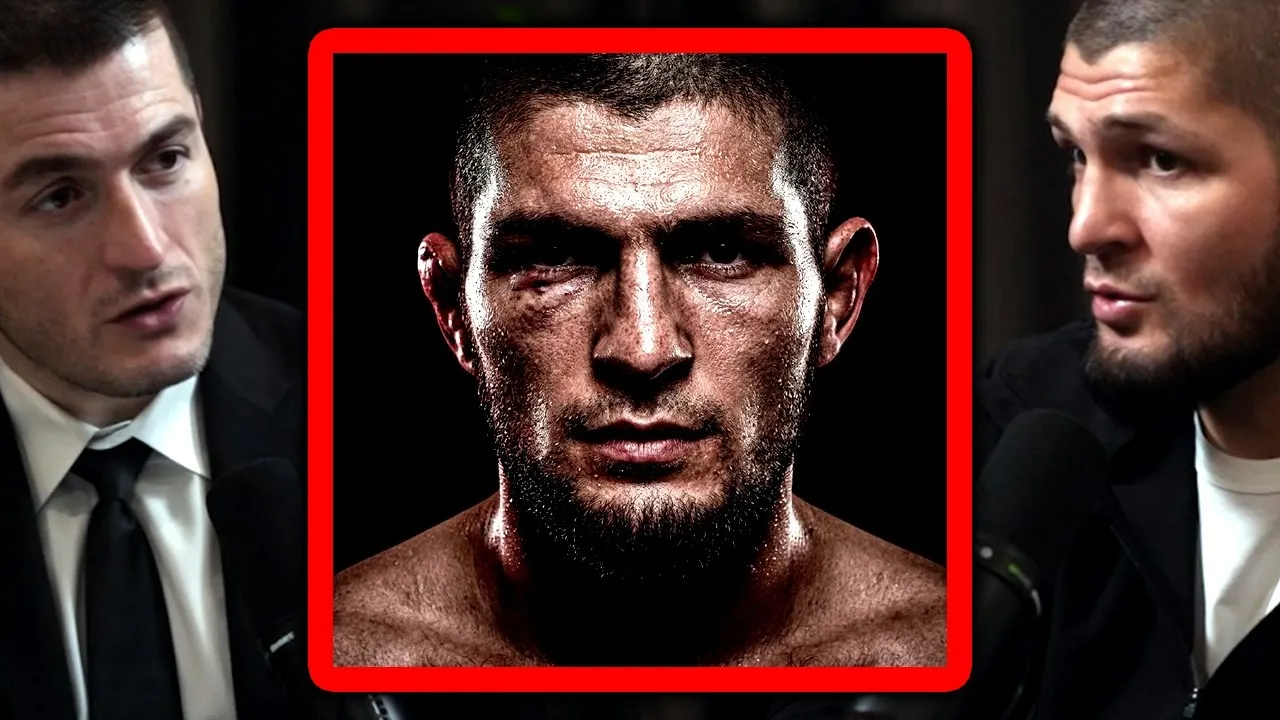
Khabib Nurmagomedov says his father prepared him for Conor McGregor by making him lose judo matches at 15
On Lex Fridman’s podcast, Khabib turns his invincibility myth into something more annoying and more useful: repetition, discomfort, and losing early where nobody was watching.
Listen on YouTube · Spotify · Apple Podcasts
 WATCH NOW↓
 Khabib Nurmagomedov says the mental steel that carried him into the 2018 Las Vegas fight with Conor McGregor was forged by his father making him enter the wrong tournaments as a teenager, even ones he lost. Not a secret breathing trick, not a savage Dagestani movie montage, just years of judo, sambo, grappling, pankration, weight cuts, and 50-kid brackets until fight day stopped feeling special.
That is the useful little twist in this clip from the Lex Fridman Podcast. Khabib, who often gets discussed like he was assembled in a mountain laboratory for pressure fighting, describes something much less mystical and much more parental: his father, Abdulmanap Nurmagomedov, sending him everywhere. Freestyle. Judo. Combat sambo. Sport sambo. Hand-to-hand combat. Pankration. If it involved another human trying to fold him, apparently it counted.
The more competition experience you have, the more relaxed and confident you’ll feel. It builds up over time.
The legend is exposure therapy in a tracksuit
Khabib’s version of mental toughness is not inspirational poster nonsense. It’s almost boringly mechanical. You make the kid compete. You make him cut weight. You make him walk into a room with dozens of other kids in the same division. You let him win two and lose two. Then you do it again somewhere else, under different rules, before he has time to decide he’s above it.
The surprise is that Khabib doesn’t describe early dominance. He says he complained. He told his father judo wasn’t his sport. He lost. He didn’t feel chosen. That matters because the adult Khabib, the undefeated UFC champion who made elite fighters look like they were trapped under a refrigerator, can sometimes flatten into myth. Here, the myth gets a more believable origin: not confidence first, then winning. Competition first, then confidence.
You competed four times. You’re 15 years old. You’re just developing. Do you know how valuable this experience is for you? Four matches in one day.
The claim is credible because it sounds like how actual pressure training works. Repeated exposure lowers the emotional tax. The first tournament feels like a thunderstorm. The fiftieth feels like weather. Khabib is not saying he became brave because he decided to be brave. He is saying the environment stopped surprising him.
The McGregor fight was not a two-month camp
When Khabib points to the 2018 Las Vegas fight, he doesn’t name McGregor in this excerpt, but the reference is obvious: UFC 229, the biggest circus mixed martial arts has ever successfully monetized. The orthodox story of that fight is hatred, bus attacks, trash talk, national pride, and a post-fight brawl. Khabib’s story is colder. By the time the cage door closed, the work had started 15 years earlier.
Preparation starts long before you even step into the octagon.
That line is clean enough to put on a gym wall, which is usually a warning sign. But Khabib gives it teeth. He says he entered the UFC after sixteen professional fights across the post-Soviet space, and with each fight his mind became “more and more solid, like concrete.” The phrasing is a little comic book, sure. It is also exactly how he fought: no panic, no bargain, no visible interest in your preferred range.
His fight-week psychology sounds less like a man psyching himself up than a man irritated by the waiting. He wanted the door closed. He wanted first contact. He wanted to know what the other guy had, and then drain it out of him minute by minute. This is the Khabib thesis in miniature: pressure is not a vibe, it is a substance you can make someone spend.
If they don’t knock me out, how will they beat me? I have fifteen minutes. Fifteen minutes is enough to make a person tired.
There is some family-brand polish here. Of course the undefeated champion’s origin story now feels perfectly designed by the late father-coach. That doesn’t make it false. It makes it human. Every great fighter eventually gets a creation myth, and Khabib’s is refreshingly unglamorous: lose in the wrong sport early, so you don’t come apart in the right sport later.
I was, let’s say, like squeezing this energy out of them, and I was getting better and better minute by minute.
- What did Khabib say was the real secret to his mental strength?
- Khabib’s answer wasn’t fearlessness. He described mental strength as something built by competing constantly from a young age, especially in unfamiliar rule sets where he could lose, get tired, and learn to stay calm anyway.
- Why did Khabib’s father put him in sports like judo and sambo?
- According to Khabib, his father believed every competition added psychological mileage. Even a judo tournament where Khabib won twice and lost twice was useful because it forced him to process pressure, opponents, weight, and nerves in real time.
- Was Khabib always confident he would win?
- No. He says that in his youth he wasn’t always sure of himself and didn’t stand out. The confidence came later, after years of competing and then sixteen professional fights before the UFC.
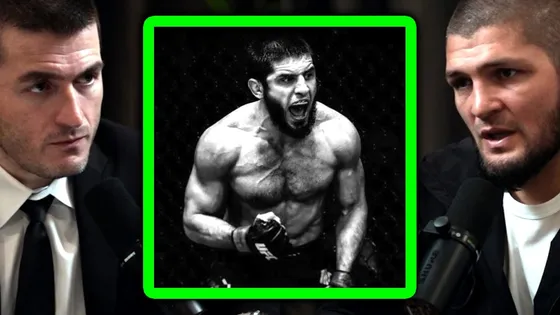
Khabib Nurmagomedov says Islam Makhachev can overtake Jon Jones, Demetrious Johnson, and Georges St-Pierre, but time is running out
Khabib’s praise for Makhachev comes with the most Dagestani compliment possible: you can become the greatest ever, now hurry up because your body is betraying you.
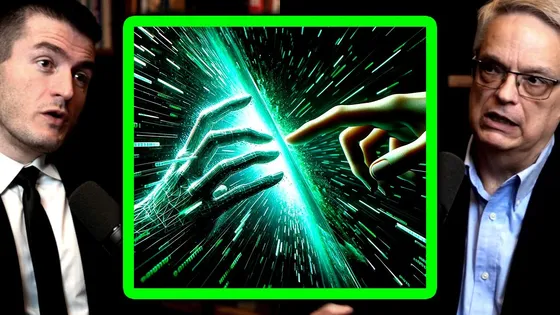
Don Lincoln says Maxwell's equations turned magnets and sparks into the internet
On the Lex Fridman Podcast, the Fermilab physicist makes the case that the weirdest, least practical physics is often the stuff that later rewires civilization.
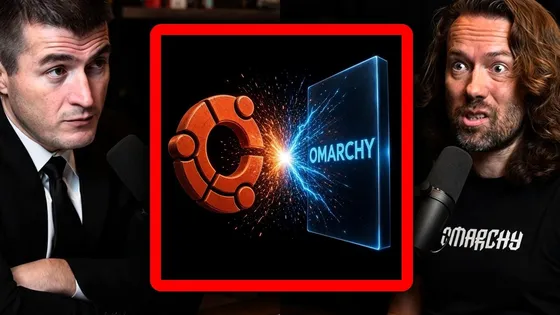
DHH says Omarchy's Linux install world record is 45 seconds
David Heinemeier Hansson turns a Linux distro install time into a philosophy of overbuilt software, Elon Musk ambition, and mildly deranged stopwatch joy.
DHH says Omarchy's growth went vertical when it made Linux agent-first
The Rails creator argues that the Linux crowd’s hostility to AI is exactly why Omarchy can break out.
The circuit, read weekly. No noise.