Russell Crowe says Gladiator II failed because it destroyed Gladiator’s moral core
Crowe’s diagnosis is part box-office math, part actorly oathkeeping, and much more persuasive than a standard sequel complaint.
Listen on YouTube
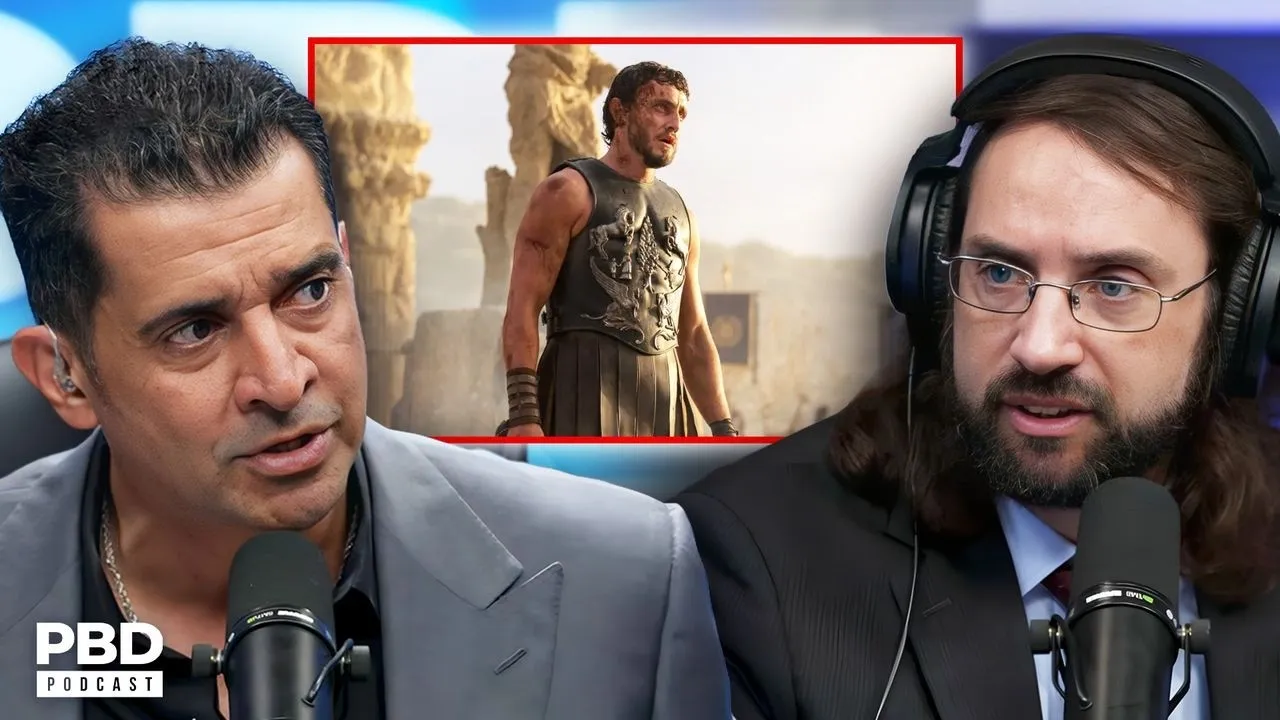 WATCH NOW↓
 Russell Crowe says Gladiator II failed because it destroyed the moral core that made Gladiator immortal. In his telling, the original worked because Maximus could not be tempted away from avenging his murdered wife and child, and the sequel forgot that people don’t just want swords, they want vows.
That is an actor defending his legacy, obviously. Crowe is not a neutral historian here. But he is also giving the cleanest explanation for why so much franchise maintenance feels like someone found the hero’s armor in storage and forgot to check whether a soul came with it.
This is a story about a man who’s avenging the death of his wife and his child. There cannot be a moment on that journey where he stops and has sex with somebody. Doesn’t make any sense. Because that night destroys the journey.
Crowe’s complaint begins with a choice from the first movie. He says he fought against a proposed sex scene between Maximus and Lucilla, played by Connie Nielsen, because it would have broken the oath at the center of the character. The point is not prudishness, or at least not only prudishness. It is story physics. If Maximus is defined by grief, loyalty, and vengeance, then giving him a romantic detour doesn’t spice up the movie. It melts the engine.
Crowe’s math is crude. His movie theory is better.
So for them the second movie to destroy that moral center very interesting. Because the second movie barely took the same box office that the first movie took. But that’s 20 years later.
The box-office argument is a sledgehammer, but not a silly one. Matching a 2000-era gross a quarter-century later is not really matching it, especially when the cost of making and selling a giant studio sequel has ballooned into the GDP of a small marble-columned empire. Still, Crowe’s stronger claim is not accounting. It is that Gladiator II misunderstood why the first movie survived.
On PBD Podcast, Patrick Bet-David reacted like a man watching someone repaint the Sistine Chapel with a leaf blower. He said he watches Gladiator regularly, quoted Maximus from memory, and treated Gladiator II less like a disappointing sequel than a personal betrayal. Subtle? No. But subtlety has never been the house style when a beloved dad movie gets desecrated.
Gladiator 2 is one of the worst movies I’ve seen in my life. It’s horrible.
The panel’s bigger leap was from one sequel to all of Hollywood. Sequels, franchises, lazy IP mining, the usual Coliseum of grievances. Tom Ellsworth brought up the studio machine and distribution. Bet-David name-checked Toy Story 5. The complaint is familiar, but Crowe gives it a sharper blade: the problem with Hollywood sequels is not that they continue stories. It is that they often continue the branding after the story’s moral contract has already ended.
The sequel problem isn’t sex. It’s vows.
Most people don’t like that. You know? On the surface, they’ll go for entertainment or whatever, but in truth, if they’re going to love something, it will be with them forever.
This is where Crowe’s take becomes bigger than Gladiator II, and also where it risks getting too grand. Not every undercooked sequel failed because it lost its moral compass. Sometimes the script is weak. Sometimes the villain is mush. Sometimes the studio has mistaken Denzel Washington having fun for an entire movie, which is tempting, because Denzel having fun is better than most movies.
But Crowe is right about Maximus. Gladiator is not remembered because the arena looked cool, though it did. It is remembered because the violence had a spiritual invoice attached. Every swing of the sword was charged to a dead wife, a dead son, and a murdered emperor. That is heroism in big, old-fashioned, sandal-and-sweat mode. Strip that away and you don’t get a freer sequel. You get cosplay with financing.
father to a murdered son, husband to a murdered wife, and I will have my vengeance in this life or the next.
- What was Russell Crowe’s main criticism of Gladiator II?
- Crowe said the sequel failed because it destroyed the moral center of Gladiator. His argument is that the original worked because Maximus’s loyalty to his murdered wife and child never wavered, which made every fight feel like part of a vow rather than just spectacle.
- Did Russell Crowe say Gladiator II was a box-office failure?
- Yes. Crowe argued that Gladiator II barely matched the first film’s box office even though more than two decades had passed, meaning inflation makes the comparison look much worse. That is not a full financial audit, but as a cultural read, it is hard to wave away.
- How did the PBD Podcast hosts react to Crowe’s comments?
- Patrick Bet-David strongly agreed and called Gladiator II one of the worst movies he had seen. The panel used Crowe’s criticism to make a broader argument that audiences still want heroes who stand for something, not franchise machinery wearing a breastplate.
Patrick Bet-David says Tucker Carlson is going to run for president after rejecting the Republican Party
PBD reads Carlson's Republican breakup less as a purity stand than a 2028 audition, and his own panel doesn't buy the martyr act.
Patrick Bet-David says Lionel Messi’s perfection is why he’ll never be loved like Diego Maradona
The PBD argument is not that Messi lacks greatness, it is that greatness is a colder currency than myth.
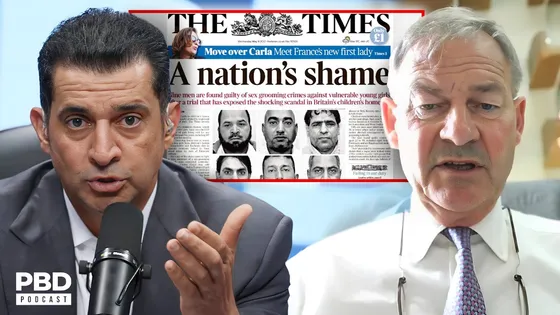
Rupert Lowe says UK grooming gang victims are probably far above 250,000
The British politician put an enormous number on a real scandal, then supplied more fury than proof.
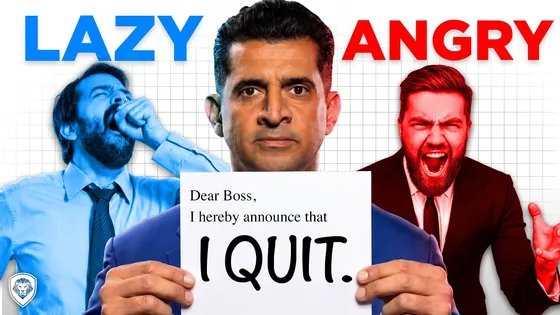
Patrick Bet-David says your micromanaging boss may be right not to trust you
The PBD Podcast host argues that bad bosses are real, but the employee who runs from every hard manager may be the actual workplace problem.
The circuit, read weekly. No noise.