Tim Ferriss says interview-format podcasts are largely dead and AI will consume them
The king of optimized longform interviews just called the format a sinking island, which is inconvenient for the island.
Listen on YouTube
 WATCH NOW↓
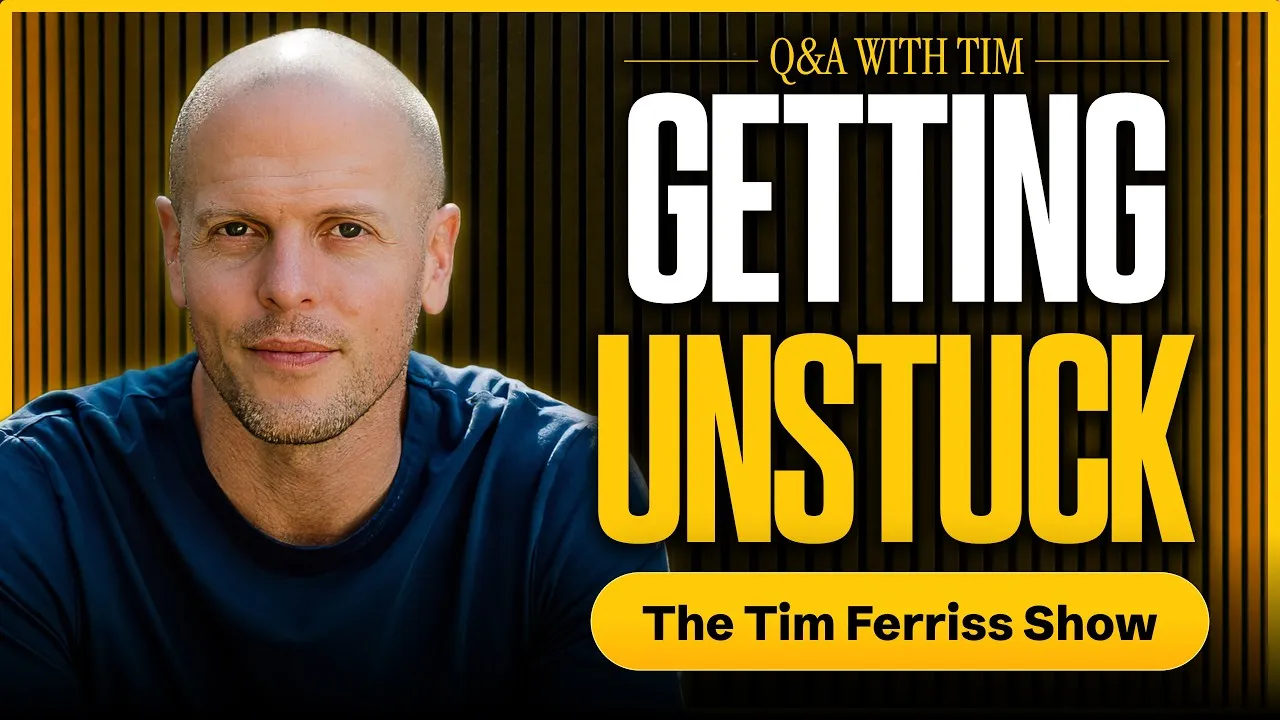
Tim Ferriss said on The Tim Ferriss Show that interview-format podcasts are “largely dead” and that AI will eventually consume almost all of them. That is a wild thing for the guy with one of the internet’s defining interview shows to say, like a steakhouse owner announcing the cow has entered its litigation era.
I think interview formats are largely dead. I think almost every interviewbased format in the world of podcasting, aka if we’re looking at the latest vintage television shows on YouTube, are basically islands in the middle of the ocean with a rising water level. And it’s not a question of if they will be consumed. It is just a matter of when. with respect to AI and other things.
This wasn’t some throwaway grumble from a man stuck behind too many USB microphones. Tim Ferriss was answering a listener who likes his looser Q&As and the Random Show, and who asked whether he might pivot away from polished, researched guest episodes. Ferriss did not perform fake agony. He basically said yes, please, tell me what the new toy should be.
The interview king is bored of interviews
Ferriss has always been at his best when he treats a life like a garage full of tools, cold plunge here, fear-setting worksheet there, obscure bird of paradise in the corner for color. But the modern interview podcast has turned that sensibility into a factory setting. Famous person enters. Host asks about morning routine. Guest says gratitude, exercise, maybe magnesium. Everyone goes home with a clip.
[ __ ] yeah, they’re less effort for me.
That answer came after the listener asked whether the relaxed formats were less work than the “researched intentional guest episodes.” Ferriss’s honesty is part of the appeal. He is not pretending the sacred temple of longform audio must be protected by monks in noise-canceling headphones. He is saying the current model is heavy, crowded, and increasingly bad at defending itself from artificial intelligence.
This is something I really would like to do because it’s fun for me to do. It’s lightweight, but I get to exercise my brain more in some respects than a fixed format interview.
He is right about the copycats, not the form
Ferriss’s claim is exaggerated if you take “interview” literally. Humans are not done wanting to hear other humans think in real time. The problem is the middle sludge: shows whose main job is information extraction. If the value of an episode is “what supplement did the longevity guy mention?” or “what did the founder say about focus?” then AI can turn two hours into a better paragraph than most show notes before the host has finished saying “my next guest needs no introduction.”
The funny part is that this Q&A proves the countercase. It is messy, overstuffed, and very Ferriss. He talks Alzheimer’s prevention, lithium orotate, xylitol mouthwash bits, Studs Terkel’s Hard Times, methylone, red-tailed hawks, and Billy Joel tipping him $20 when Ferriss was a busboy. That is not clean information architecture. That is a rummage sale inside a very high-functioning brain. AI can summarize it, sure. It can’t make the weirdness feel earned.
Ferriss also made the media economics point more bluntly when talking about social media. The platforms are not your pals. They are mills built to grind attention into ad inventory.
Their customers are advertisers. They are selling your attention. That is the sole purpose of these platforms from a business model perspective. Do not be fooled.
That same suspicion applies to podcasting’s bloated interview economy. Too many shows are optimized for output, clips, and searchable authority residue. Ferriss is self-interested here, obviously. Declaring the old format doomed makes his desire to do easier, stranger, more improvisational episodes sound like destiny rather than burnout. But self-serving doesn’t mean wrong.
The awkward stake is that The Tim Ferriss Show remains one of the brands built on the format he is now warning against. So the next real question is simple: will Ferriss actually let the flagship get weirder, or will the supposedly dead interview keep paying the mortgage while the experiments live in the guest room?
- What did Tim Ferriss say about interview podcasts?
- Tim Ferriss said on The Tim Ferriss Show that interview formats are “largely dead” and that most interview-based podcasting will eventually be consumed, especially in an AI-driven media environment. He framed the format as a group of islands with the water already rising.
- Is Tim Ferriss quitting interview podcasts?
- He didn’t say he is quitting interviews. He said he wants to experiment with more relaxed, extemporaneous formats and asked listeners for format ideas, while admitting that Q&A-style episodes are much less effort than heavily researched guest interviews.
- Is Ferriss right that AI threatens interview podcasts?
- He is right about the most generic version of the format. If a podcast exists mainly to extract useful tips from a guest, AI can summarize, clip, search, and repackage that value quickly. But strong taste, strange personal disclosure, chemistry, and live uncertainty still give human shows a reason to exist.

Tim Ferriss says AI could drive his nonfiction book sales down 67 percent in 2026
Ferriss's most useful AI warning isn't about robots writing books, it's about robots making certain books feel unnecessary.
Parmy Olson says Demis Hassabis saw AI as a quest to get closer to God
The author argues that AGI talk keeps sounding religious because the technology is too huge and weird for ordinary tech language to handle.
Sebastian Mallaby says AI still really sucks at writing anything longer than about 800 words
The author’s AI rule is simple: let the machine brief you, but don’t let it become the part of your brain that writes.

Tim Urban says the black hole era lasts so long you would need 1.4 billion observable universes packed with timeline ribbon to measure it
The Wait But Why writer turned far-future cosmology into a craft-store nightmare, and the math is mostly the point.
The circuit, read weekly. No noise.