Tom Ellsworth says teenage boys with NIL money need to be 'almost paranoid maniacs' about false accusations
The PBD Podcast panel used the Brian Banks case to argue for harsher penalties for proven false rape accusations, then pushed the point into college sports paranoia.
Listen on YouTube
 WATCH NOW↓
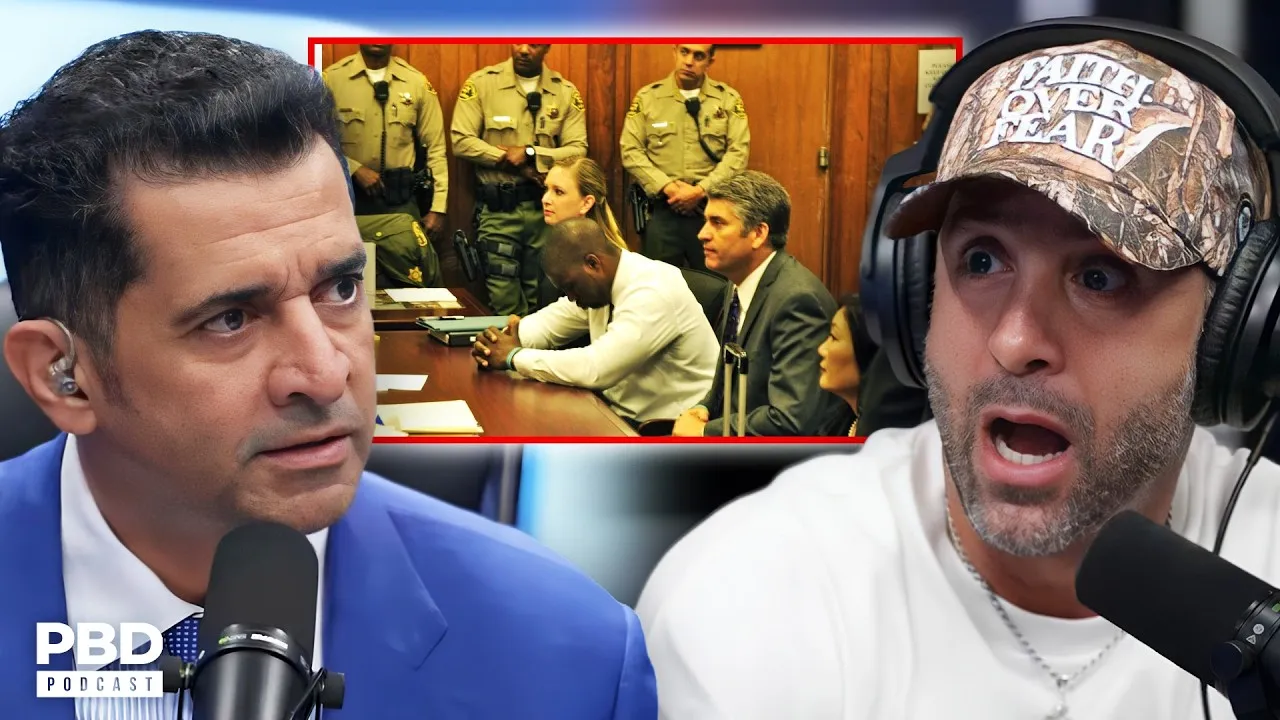
Tom Ellsworth said on the PBD Podcast that teenage boys entering college with NIL money need to be “almost paranoid maniacs” about false accusations. Ellsworth made the warning during a discussion of Brian Banks, the former football prospect whose rape conviction was overturned after his accuser admitted he never raped or kidnapped her. That is not advice so much as a panic room with a varsity jacket on it.
The Banks case is the kind of story that makes everyone at the table pound the glass. The episode recounts the brutal outline: Banks lost years of his life, carried the sex offender label, wore a GPS monitor, and then watched his name get cleared in a hearing the panel says took less than a minute. It is almost too neat as a morality play, which is why it is also dangerous. One catastrophic case can clarify an injustice. It can also make every messy case look like that catastrophic case.
if you are proven to have falsely accused someone of rape, you should go to jail for the amount of time that they would have gone to jail for.
That line is the cleanest version of the PBD argument: punishment should mirror the stolen punishment. It is emotionally satisfying, which is the whole problem. The word doing the legal work is “proven.” If someone knowingly fabricated an accusation and a person went to prison, yes, the system should treat that as a serious crime. Not a paperwork problem. Not a shrug with court fees. A crime.
But if the standard slides from “knowingly lied” to “the case fell apart” or “a jury acquitted,” the whole machine starts chewing up real victims. The panel knows this, briefly. Someone raises the gray area: what happens when a woman believes she was raped, prosecutors cannot prove it, and now the accusation itself becomes the prosecution? That is not a small caveat. That is the entire guardrail.
The NIL panic is the new version of the old locker room warning
Ellsworth’s contribution pushes the Banks story into a very 2020s fear: Name, Image, and Likeness money. A 17-year-old college athlete is no longer just a freshman with a meal plan and bad laundry habits. He may also be a brand, a local celebrity, and a target. That part is real. The part where every boy has to walk through campus like Jason Bourne at a frat mixer is where the argument starts wearing night-vision goggles indoors.
There are 17-year-olds that are stepping in college freshman and you have NIL.
You have to go with extreme caution. You have to go with ridiculous levels of caution.
There is a sane version of this advice. Don’t be reckless. Don’t isolate yourself in situations you cannot explain later. Don’t assume fame, money, alcohol, sex, phones, and teenage decision-making will combine into a TED Talk about accountability. Fathers, coaches, and schools should say that out loud.
Ellsworth doesn’t stop there. He says the quiet part with a bullhorn.
you got to just encourage your boys to be almost paranoid maniacs about what possibly could happen to them.
That is the quote people will clip, because it sounds insane and also because it contains a parent fear that isn’t insane. The trouble is that paranoia is not a policy. It doesn’t help young men understand consent. It doesn’t help young women be believed. It just teaches everyone to treat intimacy like a deposition waiting to happen.
The panel gets closest to the truth when it admits the collateral damage
The best moment in the clip is not the harshest one. It is the moment someone says what every serious discussion of false accusations has to say: fabricated claims do not only destroy the accused. They also poison the well for victims telling the truth.
these things hurt women like crazy because now real accusations are not taken as serious.
That is the usable part. Brian Banks’ case deserves anger. Proven false accusers deserve serious consequences. But turning one awful miscarriage of justice into a blanket survival code for boys with NIL checks flattens the very thing the law is supposed to handle carefully: proof, intent, context, and harm. The next hard question is not whether Banks was wronged. He was. The question is whether the answer is justice, or just fear in a camo hat.
- What did Tom Ellsworth say about NIL and false accusations?
- Tom Ellsworth argued that fathers should warn young men, especially athletes with NIL money, to live with extreme caution around situations that could lead to allegations. His phrase was deliberately severe: he said boys should be 'almost paranoid maniacs' about what could happen to them.
- What did the PBD Podcast say should happen to proven false rape accusers?
- Patrick Bet-David said a person proven to have falsely accused someone of rape should go to jail for the amount of time the accused person would have served. Other panelists agreed in spirit and even argued the punishment should be harsher, though one panelist warned that a vague standard could punish women who genuinely believed they were assaulted.
- Why did Brian Banks come up in the discussion?
- The panel used Brian Banks as the nightmare case: a football prospect whose conviction was overturned after his accuser admitted on hidden camera that he had not raped or kidnapped her. Banks' story gave the panel its moral fuel, but the leap from that case to broad advice for all boys is where the argument gets shakier.
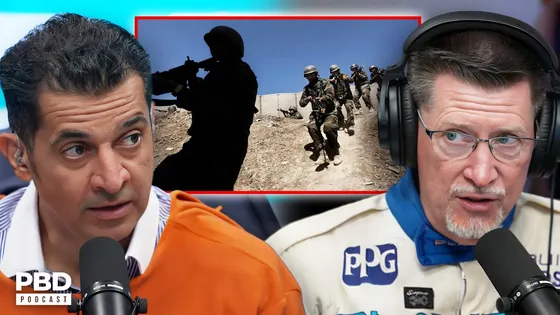
Patrick Bet-David says you should stockpile 30 days of food and water as governments warn citizens to prepare
The PBD Podcast turned 72-hour emergency-kit advice into a warning flare for war, Iran, cyberattacks, and water-system sabotage.
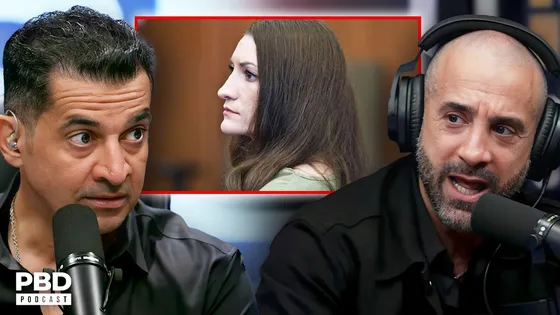
Adam Sosnick says the Lindsay Clancy case is the new prenup
The PBD panel turned the Clancy mistrial into a brutal dating question, and the answer they want is not subtle.
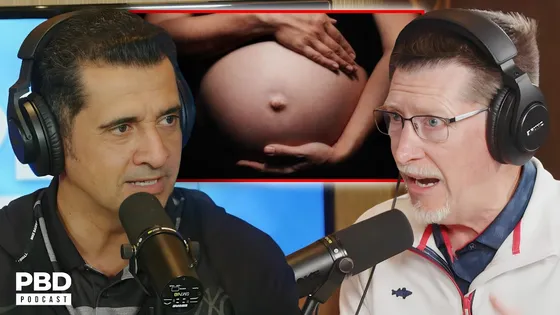
Adam Sosnick says a couple is suing a surrogate for $600,000 because their son with a cleft lip is alive
The PBD panel framed an Ontario surrogacy lawsuit as the nightmare version of designer-baby logic, but the legal story is messier than the moral one.
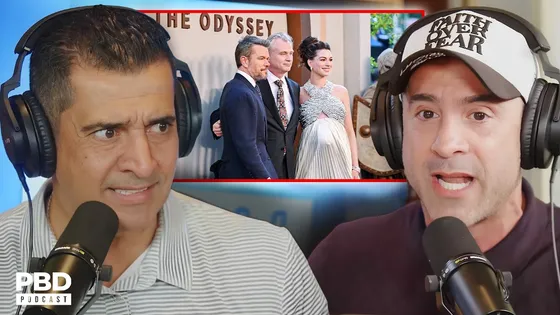
Vincent Oshana says Christopher Nolan's The Odyssey has no Greek actors in major roles
The PBD Podcast liked Nolan's Homer epic, but Oshana couldn't get past the weirdest casting detail: a Greek story with almost no Greek presence.
The circuit, read weekly. No noise.