Gary Vaynerchuk says entrepreneurs who ignore their partners may not actually value the relationship
GaryVee’s productivity gospel gets its sharpest domestic translation: if you really wanted to see them, you would.
Listen on YouTube · Spotify · Apple Podcasts
 WATCH NOW↓
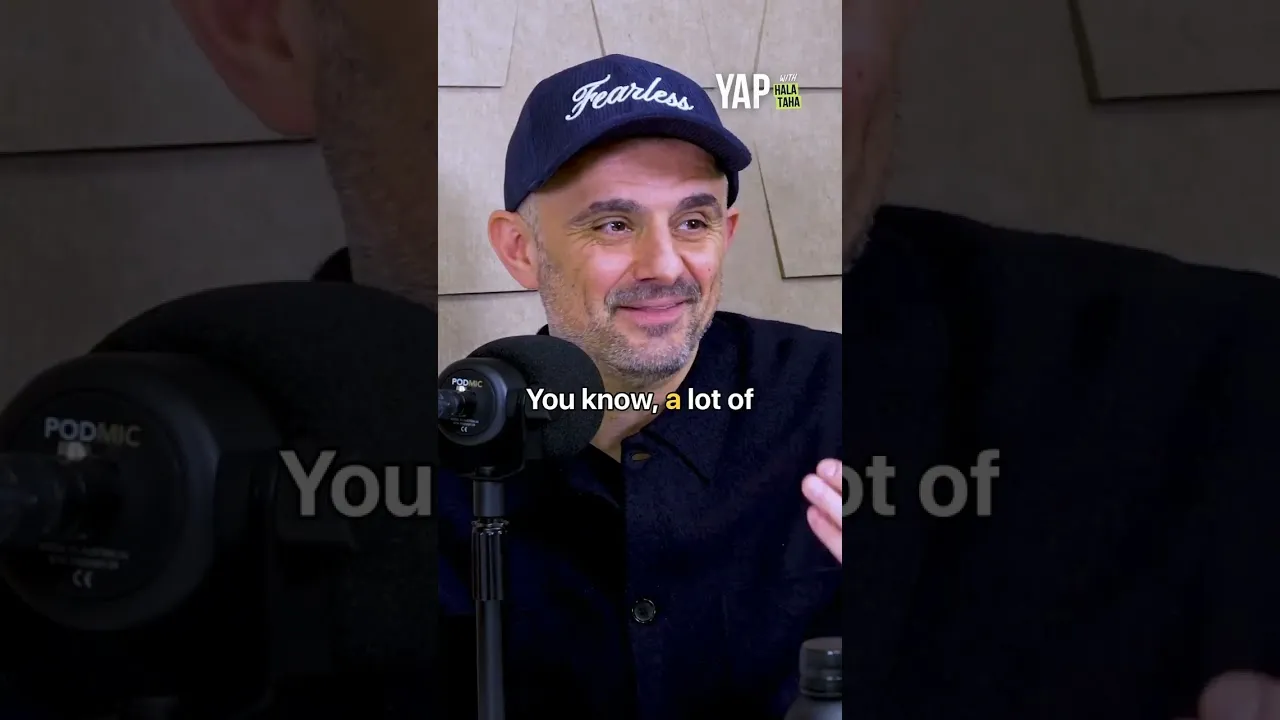
 Gary Vaynerchuk’s most useful relationship advice is also the kind you would hate to hear while holding an iced coffee and lying to yourself about your calendar. On Young and Profiting, Gary Vaynerchuk says entrepreneurs who claim they miss their partners or kids but keep choosing the business are revealing a harsher truth: maybe the relationship just isn’t the priority they say it is.
This is classic GaryVee, motivational poster ripped off the wall and used as a mirror. He’s not interested in the founder’s noble monologue about sacrifice. He wants the receipt. The hours. The drive across town. The decision to close the laptop.
It means that they may not value their relationships as much as they want to say they are.
That’s the whole knife twist. In the public mythology of entrepreneurship, neglect is often laundered into virtue. You didn’t miss dinner because you made a choice. You missed dinner because you’re building, grinding, providing, becoming the sort of person who will someday be very emotionally available after the Series B.
Vaynerchuk is saying, basically, no. If you keep not seeing the person, the not-seeing is the fact. The explanation is the garnish.
Maybe you don’t like your boyfriend.
The calendar is the lie detector
There’s a reason this sounds both obvious and rude. Most adult life runs on polite fictions. I miss you. We should hang. I’ve just been so busy. Founders, especially, get social permission to turn busyness into a personality. GaryVee’s point is that desire has a funny habit of finding transportation.
Because I promise you if you were obsessed with your boyfriend and your business, you’ll make the time.
Is that always true? Not perfectly. Life is messier than a thirty-four-second clip. People work brutal hours because rent is due. Parents can miss kids because custody schedules, jobs, distance, and exhaustion make life feel like a badly designed app. Sometimes love is real and time is scarce.
But Vaynerchuk isn’t trying to write family court doctrine. He’s attacking the gap between the thing people say they value and the thing they repeatedly choose. As a test of work-life balance, it’s crude, but not dumb. If every week ends with the same apology, the apology has become part of the system.
Actions over words.
The uncomfortable part is the kids
The boyfriend line is the one built for clips. The kid line is the one that stings. Vaynerchuk extends the same logic from romance to parenting: if you say you miss your children, then go see your children. It’s a bracingly simple answer to a situation that may not be simple at all.
Still, the broader criticism is aimed at optics, not affection. Social media has made it easy to perform longing. Post the airport selfie. Caption it with heartbreak. Tell everyone the grind is expensive. GaryVee’s counter is less sentimental: stop narrating the absence and change the behavior.
People like to posture for optics, but have a different reality. Because if you actually mean it, you would do it.
- What was GaryVee’s point about entrepreneurs and relationships?
- He says entrepreneurs who constantly choose the business over a partner or family may be showing that the relationship matters less to them than they claim. For Vaynerchuk, the proof is not the speech about missing someone. It’s whether you actually show up.
- Was GaryVee saying busy founders don’t love their families?
- Not exactly. His argument is more severe and more behavioral: if someone says they badly want time with their boyfriend, girlfriend, or kids but never changes the calendar, the calendar is telling the truth.
- Is GaryVee’s claim fair?
- It’s fair as a challenge to entrepreneurial excuse-making, less fair as a universal law. Money pressure, custody, travel, burnout, and bad systems can all complicate the picture. But his larger point survives: priorities are much easier to verify in actions than in speeches.

Gary Vaynerchuk says live shopping is exactly where social media was in 2014
On Mel Robbins, Gary Vee turned a motivational sermon into a very Gary Vee market call: if you think TikTok Shop already passed you by, he says you're mistaking the starting gun for the finish line.
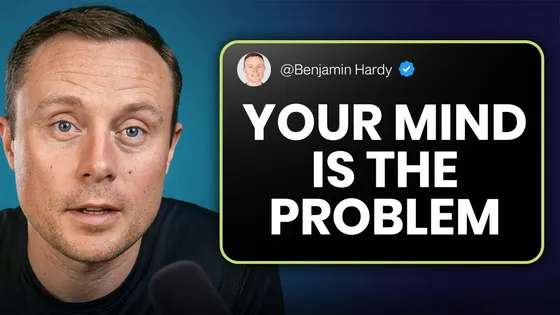
Benjamin Hardy says 10X growth requires cutting 80 percent of your life
The productivity guru’s sharpest claim is not to grind harder, but to delete most of the life that made you successful so far.

Tara LaFerrara Built a Million-Dollar Fitness Business by Refusing to Be Perfect
The Broads founder on coaching funnels, a $130,000 app failure, and why 'do the cringe thing' is actually a business strategy.

Benjamin Hardy Says You're Measuring Yourself Wrong, and He Has the Viktor Frankl Story to Prove It
The organizational psychologist behind 'The Gap and the Gain' explains why hitting your goals might make you feel worse, and what Mr. Beast figured out at 17 that most adults never do.
The circuit, read weekly. No noise.