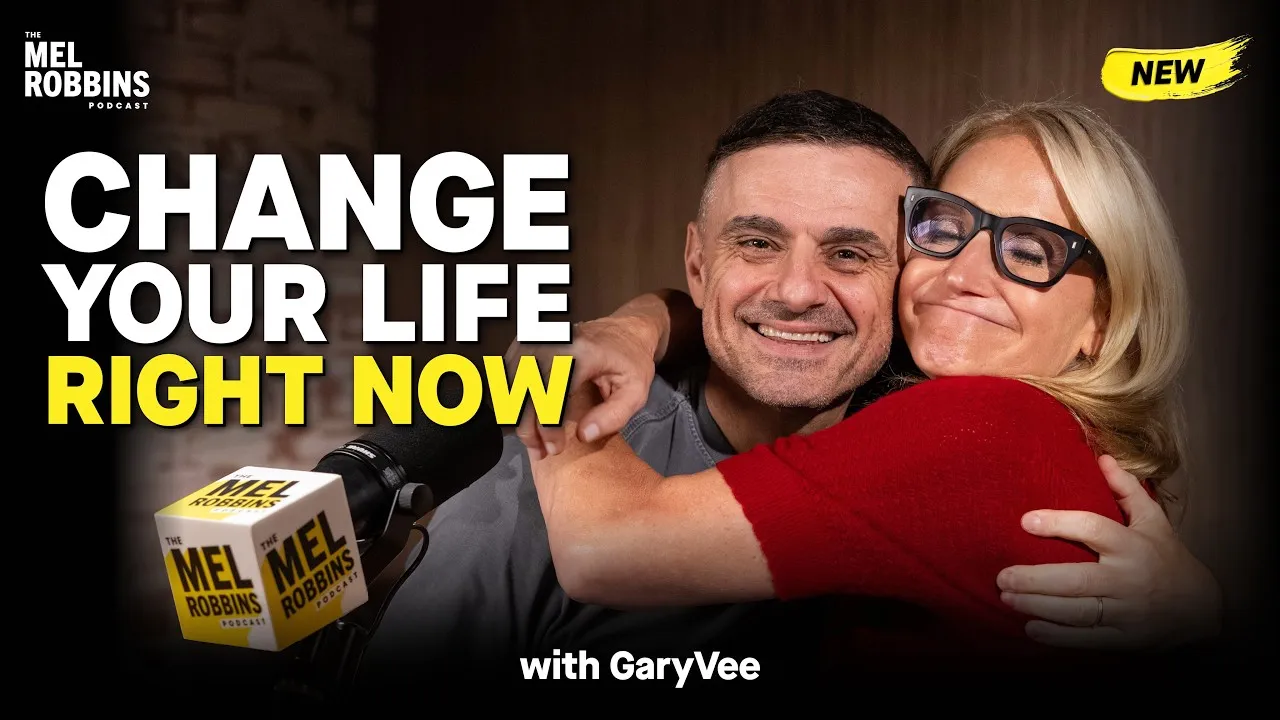
Gary Vaynerchuk says live shopping is exactly where social media was in 2014
On Mel Robbins, Gary Vee turned a motivational sermon into a very Gary Vee market call: if you think TikTok Shop already passed you by, he says you're mistaking the starting gun for the finish line.
Listen on YouTube · Spotify · Apple Podcasts
 WATCH NOW↓
 Gary Vaynerchuk says live shopping is right now where social media was in 2014. Translation: the window you think already closed is, in his telling, barely open, and the people muttering “too late” are doing the oldest internet trick in the book, confusing discomfort with strategy.
where live shopping is right this second is exactly where social was in 2014.
That is the real headline from Vaynerchuk’s appearance on The Mel Robbins Podcast, not the standard motivational fireworks about regret, action, gratitude, and not letting a woman named Jocelyn ruin your dreams at school pickup. Those parts are very Gary Vee, and sometimes very good. But the live-shopping claim is the thing you can actually argue with, Google, or quietly act on before your friends decide it was obvious all along.
Robbins, who credits Vaynerchuk with inspiring her to put herself online years ago, tee’d him up on the familiar fear loop: people see a new platform, decide everyone else has beaten them to it, and retreat to the couch with the dignity of a person who has never tried. Vaynerchuk’s counter is basically: congratulations, you’ve discovered Day One. He points out that he had been making social-media content for years before most people cared, and that Robbins herself waited years to start a podcast because she thought the motivational lane was already taken.
The useful part and the sales pitch
Is he right? Partly, and that part is useful. Live commerce has already been enormous in China, and American companies have tried to make livestream shopping happen before with mixed results. But TikTok Shop has made the behavior feel less like a corporate experiment and more like a weird little mall that lives inside your phone. Vaynerchuk’s point isn’t that every mom with a ring light is about to become QVC’s final boss. It’s that the cost of testing is low, and the main thing stopping people is not market saturation. It’s humiliation.
The algorithm is exposing who you actually are.
That line is the spine of his whole worldview on social media. He rejects the comforting idea that platforms kidnapped your personality. His argument is ruder and probably closer to true: you trained the machine, then blamed the machine for showing you yourself. If your feed is grievance, envy, status anxiety, politics, outrage, and whatever else you pretend not to like, Vaynerchuk says start hitting “not interested,” search for joy, and follow people who make you less miserable. This is self-help by way of settings menu.
The tension, of course, is funny. Gary Vee spends half the episode telling people to stop chasing material validation, then makes a passionate case for selling tchotchkes on TikTok. But it isn’t really a contradiction in his system. He doesn’t worship the sale. He worships the attempt. The villain is not commerce, it’s performing respectability for people you don’t even like.
Embarrassment as a business plan
The strongest practical thread is not “go become an influencer,” a phrase that should be sealed in concrete and dropped into the Hudson. It’s Vaynerchuk’s insistence that the thing you’re ashamed to admit is often the most useful thing to say out loud. He tells job seekers to post on LinkedIn and even say they’re between gigs. He tells would-be creators to make the awkward first video. He tells people to stop waiting until they look impressive, because impressive is usually just fear in a blazer.
Making content on LinkedIn.
That advice is less glamorous than the live-shopping prediction, but it may be more durable. If you’re an executive assistant between jobs, Vaynerchuk says, make a video about the five things every executive assistant should know. Not after you get hired. Not after the shame has passed. Now. This is entrepreneurship stripped of the yacht-bro fog machine: prove you know something, in public, before anyone gives you permission.
the number one thing that most people watching or listening to this podcast should do is make a video and tell the world what they suck at.
The live-shopping claim is not a guarantee. It is a dare. If Vaynerchuk is wrong, a few people will waste some afternoons learning how to talk into a camera and sell something with a pulse. If he’s right, the next wave of online opportunity is currently disguised as the thing your group chat makes fun of.
- What does Gary Vaynerchuk think people are missing about live shopping?
- He thinks people are treating live shopping as if the window has already closed, when he believes it is still early. His comparison point is social media in 2014, when plenty of people had heard of the platforms but still hadn't built serious careers or businesses there.
- Is Gary Vee saying everyone should start selling on TikTok Shop?
- Not exactly. His bigger point is that people use embarrassment, age, and fear of other people's opinions as excuses for not testing new channels. Live shopping is his example because it looks cringe before it looks obvious.
- What's the practical advice for someone looking for work?
- Vaynerchuk says job seekers should make content on LinkedIn, especially content that openly explains what they know and even that they're between jobs. He frames that kind of honesty as a strength rather than a confession of failure.
Gary Vaynerchuk says entrepreneurs who ignore their partners may not actually value the relationship
GaryVee’s productivity gospel gets its sharpest domestic translation: if you really wanted to see them, you would.
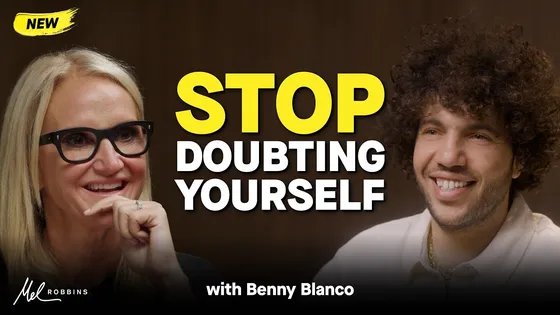
Benny Blanco says Ed Sheeran took a 7 and a half day boat to London because Blanco refused to fly
The producer’s best self-doubt story is not about conquering fear, it’s about dragging a pop superstar onto an ocean liner and watching Titanic on board.
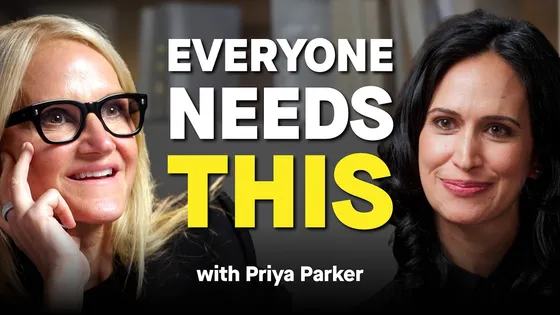
Priya Parker says talk is sometimes bad for connection
The Art of Gathering author argues that families, teams, and friend groups often need a shared activity before they need another deep talk.
Kier Gaines says the world is designed for your productivity and attention, not your peace
The therapist's best point on The Mel Robbins Podcast is also his bleakest: your stress isn't just a personal failure, it's a business model.
The circuit, read weekly. No noise.