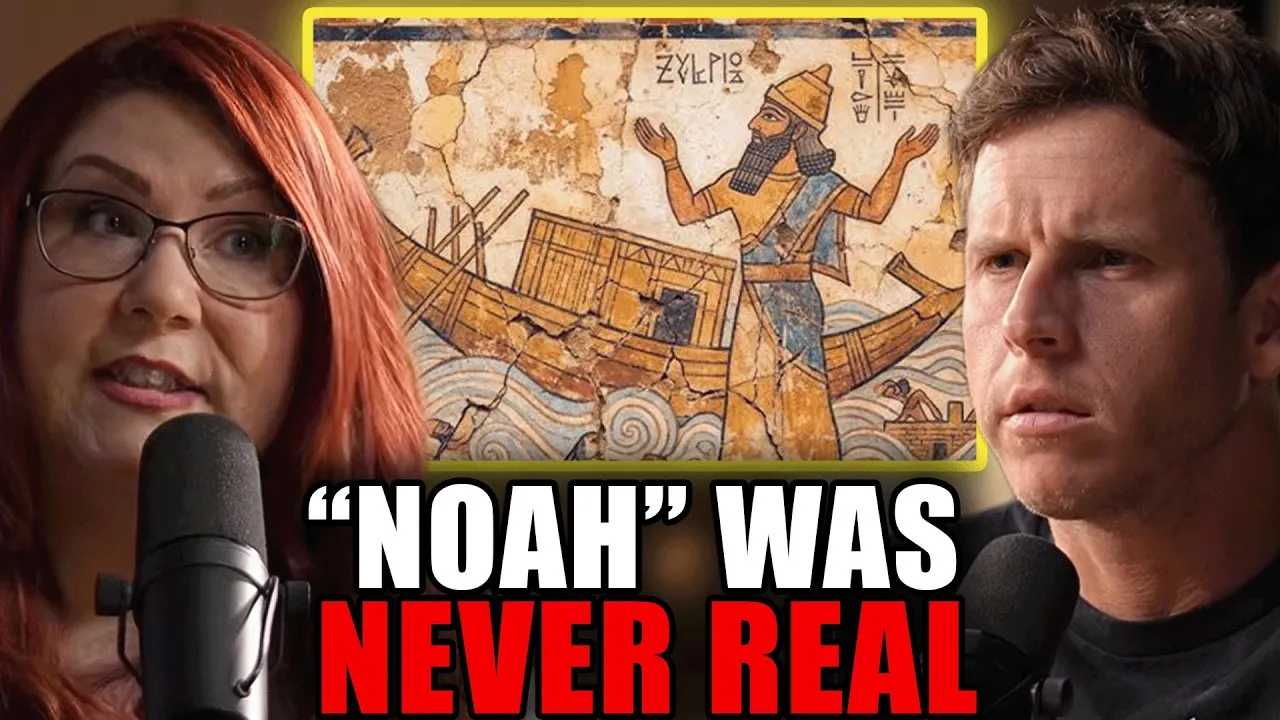
Heather Lynn says Noah didn't build an ark, he led a breakaway civilization of scientists
The fun part is that Lynn is not doing ancient aliens here, she is making Noah sound like the logistics director of a post-collapse research commune.
Listen on YouTube
 WATCH NOW↓
 Noah, in Heather Lynn’s telling, is less Sunday-school zookeeper than post-apocalyptic project manager. On Danny Jones Podcast, she argues that the older story behind Noah’s Ark was not about a man building a boat for his family, but about a science-and-magic literate leader assembling a breakaway civilization before catastrophe hit.
the Noah’s Ark story in particular paints a picture very vividly of an individual a Noah type figure who is adept at science and magic and sees signs in the sky that something’s going to happen and he does not build a boat
That is the whole appeal of this clip. Lynn isn’t saying, with the usual cable-TV eyebrow wiggle, that aliens dictated Genesis from a glowing hoverboard. She is saying the story got laundered through religion until the earthy version disappeared: migration, climate fear, animal protein, specialists, control. Honestly, a flood myth with a supply-chain department is much stranger than a cartoon ark.
The ark becomes a caravan
Lynn’s version swaps the nursery-rhyme image of paired lions marching up a ramp for a harsher survival plan. The animals are not every creature on Earth, she says, but the animals of the steppe: sheep, goats, cattle, the kind of portable food system a nomadic group could actually bring along. Milk them. Breed them. Bleed them if you have to. Grim, yes. Also more plausible than fitting the biosphere into a wooden cruise ship.
The idea is that it was essentially a breakaway civilization. It traces along the lines of the now just sort of magically it seems or coincidentally to the Younger Dryas impact event.
The Younger Dryas has become the great catastrophe magnet of alternative ancient history, the place where every flood, lost civilization, and mysterious megalith gets invited to the same after-party. Lynn uses it as a timing device: rapid climate change displaces people, displaced people preserve memories, memories become myth. The conservative version of that idea is reasonable. Flood stories do have older Near Eastern cousins. The bolder Lynn version, where a technically advantaged group peels off and seeds civilization, is where the scaffolding starts to wobble.
The Sumerian clue pile gets very tall
Her most interesting move is not really about Noah. It is about the Sumerians. Lynn reads Sumerian descriptions like “black-headed ones,” references to red clay people, blue-eyed divine statues with lapis lazuli, and “shining ones” as signs of a clash between different populations. In her frame, the newcomers may have looked different, carried different technology, and used awe as governance. Less heaven. More colonization with better branding.
understanding that point of our history and the Sumerians is probably the single most important thing we should be looking at historically. Sounds like an overstatement, but it’s like, hear me out
She is right to flag the Sumerians as wildly under-taught compared with Egypt, Greece, and Rome. She is also right that ancient gods often behave less like moral ideals and more like bosses with weapons, appetites, and a labor problem. But the leap from “ancient texts encode hierarchy and conquest” to “this is the origin point of civilization, priest classes, genetic management, and the Noah story” is a big leap. Olympic. You can admire the jump and still ask to see the landing mat.
The strongest part of Lynn’s pitch is that she resists the lazy ancient-aliens answer. The weakest part is that, once aliens leave the room, the same appetite for total explanation remains. Every detail starts looking like a clue. Blue eyes, red ochre, steppe animals, priestly intermediaries, sacrifice recipes, climate trauma. It is a thrilling board of red string. It is also still red string.
Did the Anunnaki, you know, uh manipulate the human genome? And yeah, they did. They very much did. Did they do it with like Mr. Wizard’s World style beakers and thing? No, they didn’t. They did it through good old-fashioned animal husbandry.
- Did Heather Lynn say Noah never built an ark?
- Yes. Lynn argues that older versions behind the Noah story describe a Noah-like figure who reads signs, gathers skilled people, and moves with useful animals, rather than building a giant boat for his family. Her version makes the story less Sunday school and more survival migration.
- How does the Younger Dryas fit into Heather Lynn's Noah theory?
- Lynn connects the flood tradition to rapid climate disruption around the Younger Dryas, saying a group may have fled floods or displacement and later turned into myth. That link is the speculative jump: climate upheaval is real, but tying a specific Noah-like narrative to it requires more than a neat fit.
- Is Heather Lynn's Noah theory accepted history?
- The safer claim is that biblical flood stories have older Mesopotamian relatives. Lynn goes much further, proposing a breakaway civilization, Sumerian social control, and ancient eugenics by animal-husbandry logic. It is vivid and searchable, but it is not presented here with the kind of evidence that would make it settled history.
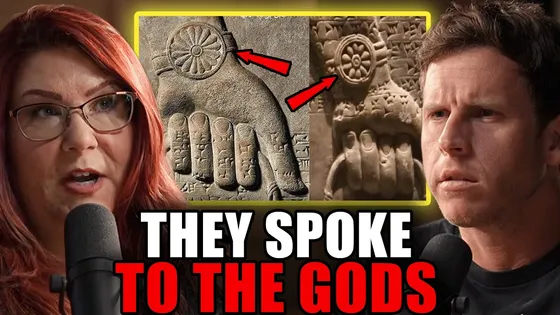
Heather Lynn says the Anunnaki wristwatches were poppy cuffs from Nimrud, not alien watches
On Danny Jones, Lynn gives the ancient aliens internet a delightfully terrestrial answer, then pushes it into a bigger claim about opium, mushrooms and Mesopotamian altered states.
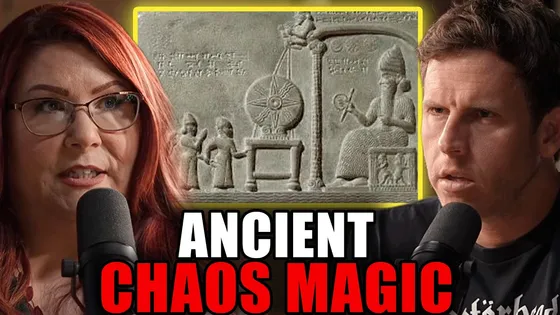
Heather Lynn says chaos magic sigils can be charged with orgasm, torture, and blood
On the Danny Jones Podcast, Lynn turns a New Age craft-table idea into something much darker, and not all of the leap is equally convincing.
Heather Lynn says archaeology was primarily used as a cover for spying operations
On Danny Jones Podcast, Lynn ties cabinets of curiosities, King Tut money, and Middle East mapmaking to archaeology's oldest dirty secret.
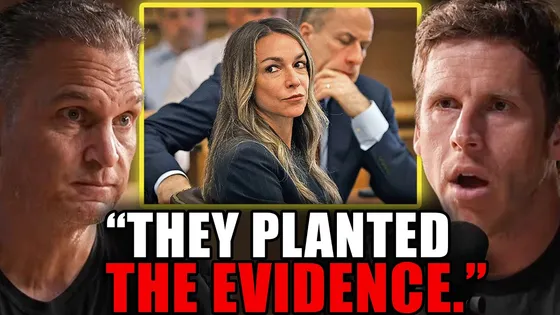
Matt Cox says Karen Read is guilty, but planted evidence meant she had to go free
Cox's take is not that Karen Read was framed because she was innocent, but that police may have framed a guilty person and handed her reasonable doubt on a platter.
The circuit, read weekly. No noise.