Kevin O'Leary says Steve Jobs told him entrepreneurs should do only three signal tasks a day
O'Leary's Steve Jobs story is clean, brutal, useful, and then the PBD Podcast accidentally stress-tests it with a merch pitch.
Listen on YouTube
 WATCH NOW↓
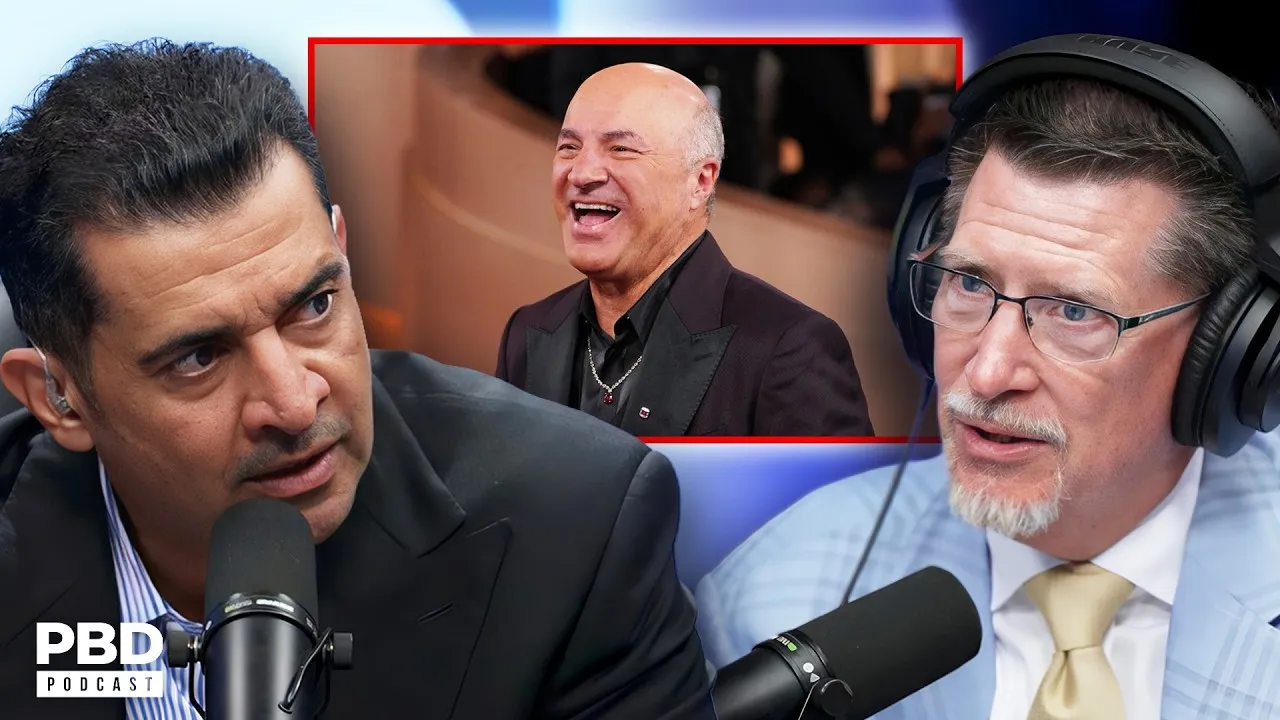
 Kevin O’Leary says Steve Jobs told him the entrepreneur’s day comes down to only three things: identify the signal, do those three tasks first, and refuse the noise. On the PBD Podcast, O’Leary presents it as Jobs’s essential career lesson, which is both genuinely useful and suspiciously perfect for a man who has spent decades turning bluntness into a business model.
This is the kind of advice that sounds almost too clean, like it came laminated inside a WeWork phone booth. But Jobs stories have always had that parable quality. The guy in the black turtleneck appears, insults everyone in the room, then leaves behind a sentence that gets repeated by founders until the heat death of Series A funding.
He was an absolute [ __ ] but he he taught me some very important things and he was wildly successful.
O’Leary’s version lands because it doesn’t ask you to become more balanced, more mindful, or more optimized. Thank God. It asks you to count to three. That is the whole appeal. A productivity system with fewer moving parts than a hotel coffee maker.
He said that each day, including you, each day there will be three things you have to get done. Just three.
And that’s called the signal. And there’s going to be a plethora of things that are going to stop you from doing that. And that’s called the noise.
The advice is good. The mythology is doing push-ups.
Here is the honest verdict: the rule is useful, not magic. Jobs did not invent the idea that priorities matter. Every airport bookstore has been selling some version of this since before the iPod. But Jobs gave the idea teeth. Three tasks is not a vibe. It is a knife. It means the fourth thing, the thing screaming in Slack with six exclamation points and a mysterious calendar invite, might not matter.
That is why this works as entrepreneurship advice. Founders do not usually fail because they have zero ideas. They fail because everything feels urgent, every customer sounds existential, every employee problem becomes a referendum on their leadership, and every notification arrives dressed as destiny. O’Leary’s Jobs story gives them permission to be rude to the pile.
Patrick Bet-David’s response pushes the same point into a harsher CEO register. If you want to be the person in charge, he says, you don’t just get the upside, the title, the equity, the podcast microphone. You get the blame. All of it.
100% of all the issues that happen is your fault. Are you okay with that?
That line is less elegant than Jobs’s signal-noise formula, but it is probably closer to the daily weather of running a company. The romantic version of focus is a founder in a quiet room, choosing the future. The real version is a founder deciding which fire can burn for another hour while they finish the one thing that actually keeps the place alive.
You have a few good days a year. You have a lot of bad days.
Then the noise arrives wearing a patriotic hat
The funniest thing about the clip is that after all this talk about signal, focus, scrolling, and the mental pollution of modern life, the show drifts into a sales presentation for a limited 250th anniversary America box. Hats. Mug. Shirt. Water bottle. A video with flags, railroads, astronauts, and the kind of swelling music that makes a man briefly consider buying tactical cargo shorts.
This does not make the Jobs advice wrong. It makes the clip a lab experiment. Can you hear the signal while the noise is literally offering you a commemorative mug? That is the modern executive challenge in miniature. Your phone, your inbox, your audience, your merch store, your political identity, your dopamine loop, all of them want to be Task One.
O’Leary’s claim is strongest when stripped of the guru gloss. Don’t ask what you could do today. Ask what would make the day a failure if it didn’t get done. Pick three. Do them before the noise learns your name.
If Jobs’s rule is true, the first calendar event of your day is not a meeting. It is a knife.
- What did Steve Jobs supposedly tell Kevin O'Leary?
- O'Leary says Jobs told him that each day has only three truly important things that must get done. Those are the signal. Everything that keeps you from doing them is noise, and the entrepreneur's job is to learn the difference fast.
- Is the Steve Jobs advice actually useful?
- Yes, as a practical filter. Three tasks is small enough to force a real choice, which is the point. The danger is that founders can turn the rule into macho theater, treating every interruption as weakness instead of asking whether the interruption is actually a hidden signal.
- Why does the PBD clip feel ironic?
- Because after preaching focus, the show quickly becomes a live example of distraction management, sliding from Jobsian clarity into a patriotic limited-edition merch box pitch. That doesn't invalidate the advice. It just makes the lesson accidentally funnier.

Kevin O'Leary says he never saw Steve Jobs happy or laughing, and that Jobs thought being nice was noise
The Shark Tank investor turns a money episode into a bleak little sermon on Steve Jobs, genius, cruelty, and the Apple ghost that still sits in the room.

Cenk Uygur says Israel blocks an Iran peace deal every time Trump moves toward peace
On The Diary of a CEO, Uygur argued that Trump has a deal available with Iran, but Benjamin Netanyahu keeps pushing him back toward war.

Cenk Uygur says Israel gave America a list of seven countries to attack after 9/11
The Young Turks host turns a Diary of a CEO Iran debate into a blunt accusation about U.S. foreign policy, while Kevin O'Leary argues the real issue is stopping Iran from getting a bomb.
Tom Homan says a Democratic politician told a grieving mother they had better things to do than talk about her murdered daughter
The allegation is brutal, politically explosive, and in this clip, frustratingly unnamed.
The circuit, read weekly. No noise.