Mel Robbins says never being single from age 13 delayed her healing by 15 years
On a daughter-led relationship episode, Robbins turns her own romantic history into a warning against using love as emotional anesthesia.
Listen on YouTube · Spotify · Apple Podcasts
 WATCH NOW↓
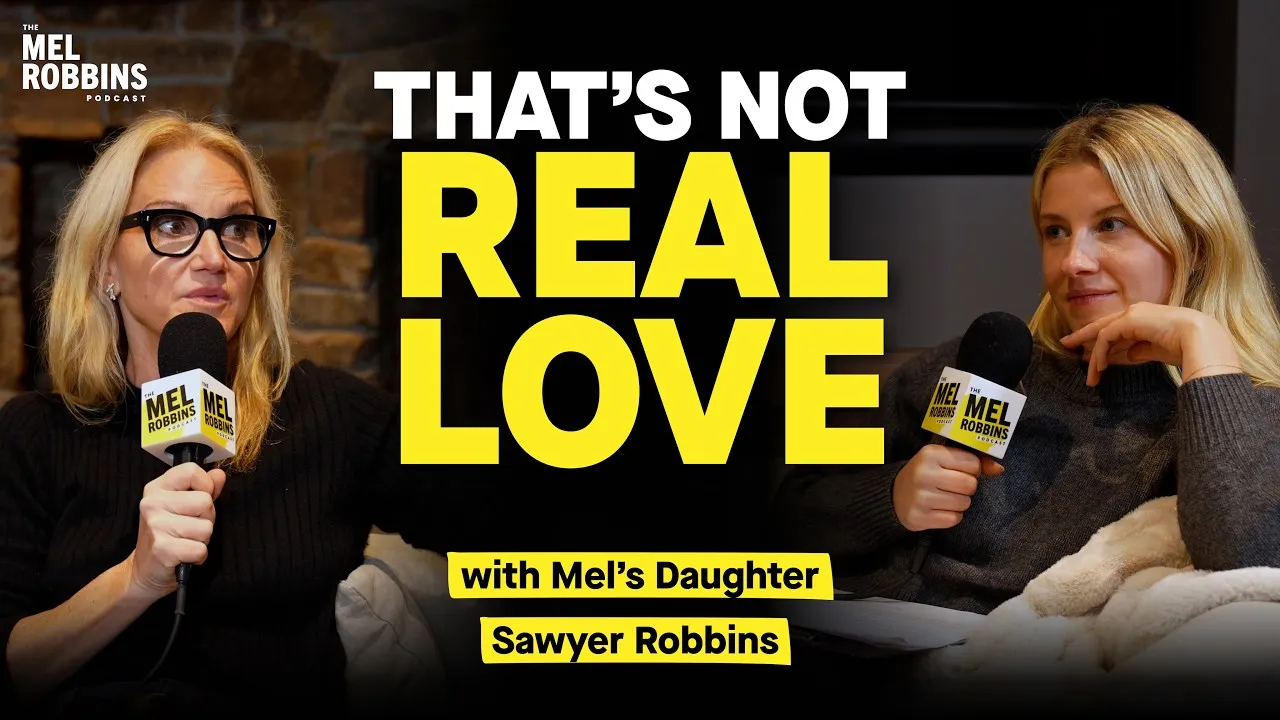
Mel Robbins says on The Mel Robbins Podcast that never being single from age 13 until meeting her husband delayed her healing by at least 15 years. She told her daughter Sawyer Robbins that if she could redo her college and law school years, she would stay single the entire time.
This is the kind of Mel Robbins advice that arrives wearing sneakers and carrying a leaf blower. It is not subtle. It is, however, usefully rude. The target here is not love, or commitment, or the boyfriend named Gavin who gets lovingly cleared at the top of the episode like a civilian before a controlled demolition. The target is the person who treats a relationship like a weighted blanket with texting privileges.
I have never been single since I was 13. And it cost me a lot.
Robbins’s claim lands because it is both personal and a little indicting. A lot of relationship advice is really just etiquette for the already stable. Communicate better. Use I statements. Stop making your partner guess why you are silently loading the dishwasher like Lady Macbeth. Robbins is talking about something more subterranean, the habit of keeping another person nearby so you never have to sit alone with your own nervous system.
The anti-overlap manifesto
She has a name for the person who swings from one romance to the next without touching the ground, an overlapper. It is a funny word, but the image is brutal, dating as trapeze work, one hand on the ex, the other already reaching for the next warm body. Her verdict is simple: if that is you, you need to be single.
Because you have been using relationships as a way to regulate yourself instead of dealing with the issues and patterns in your life that are making you unhappy.
As psychology, this is not a peer-reviewed diagnosis. As a description of modern dating behavior, it is annoyingly recognizable. The apps have made it easier to confuse availability with intimacy and momentum with growth. Robbins is not saying every young person must become a monk with a journal and a sunrise routine. She is saying that if every breakup is immediately followed by a new situationship, you may not be healing. You may just be changing the wallpaper.
The strongest part of the advice is how willing Robbins is to make herself the cautionary tale. She says she lost the kind of girlfriend group her daughters built in college because she was always in a relationship. That is the detail that saves the segment from becoming bumper-sticker wisdom. The cost was not abstract. It was friendship, time, self-knowledge, and, by her count, a decade and a half of delayed repair.
If I could go back and wave a magic wand, I would make myself single for my entire college and law school years.
The useful exaggeration
Is the 15-year number clinically meaningful? No. It is autobiography, not a lab result. But that does not make it empty. Robbins is making a practical argument about relationships: if you never pause long enough to identify the pattern, the next person inherits the old script. New face, same scene. Different hoodie on the chair, same anxious chase.
That is why her best line is not really about being single. It is about the fantasy that marriage or dating can launder your unresolved stuff into maturity. Robbins frames singleness as the boring adult workbench where the actual repairs happen. Therapy helps. Space helps. The absence of a person to blame helps even more.
You cannot outrun your past. You cannot outdate your bad habits in relationships. And you cannot marry yourself into healing.
There is a tension, and it is the good kind. Robbins spends plenty of time elsewhere in the episode defending partnership as home base, the person who is still your favorite when bodies change, jobs collapse and the sink is full of dishes. So this is not a single-girl sermon disguised as empowerment content. It is a warning against treating being chosen as proof that you are okay.
That warning is also the episode’s most portable idea. Not the last-name debate. Not the advice about boring people getting more boring, though that one deserves to be embroidered on a pillow and thrown through a window. The real claim is harsher: if romance is the thing that keeps you from facing your life, romance is not saving you. It is stalling you.
- What did Mel Robbins say about being single?
- Mel Robbins said she had never really been single from age 13 until meeting her husband, and that this cost her dearly. Her argument is that serial relationships can become a way to avoid looking at your own anxiety, patterns and pain. She said that if she could redo her college and law school years, she would stay single for all of them.
- Why does Mel Robbins think some people need to stop dating?
- Robbins thinks people who overlap relationships often use romance to regulate themselves. In her view, jumping from one person to the next keeps old patterns intact because the new relationship becomes a distraction instead of a repair.
- What was Mel Robbins's advice after a breakup?
- Robbins said the worst part is often not the breakup itself but the three months afterward, when your body and imagination have to unlearn the future you pictured. Her advice is to grieve it without restarting the clock through a rebound or sex with an ex.
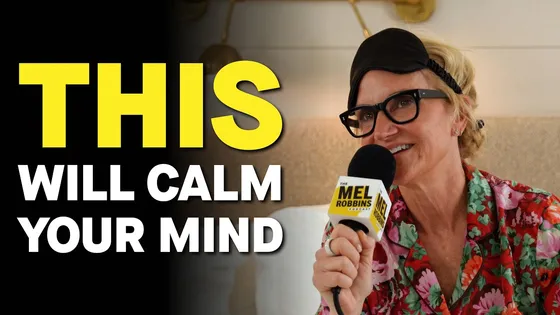
Mel Robbins says writing your unfinished to-do list at night can work better than some sleep medication
The strongest idea in Robbins's bedtime script is also the most suspiciously useful one, put the unfinished mess on paper and stop letting your brain cosplay as a project manager at midnight.
Mel Robbins says the Red Sox are making their first bobblehead honoring a woman for her Let Them Night
The summer-reset episode mostly sells anticipation as self-care, but the searchable nugget is a Fenway promo claim big enough to make Red Sox fans squint.
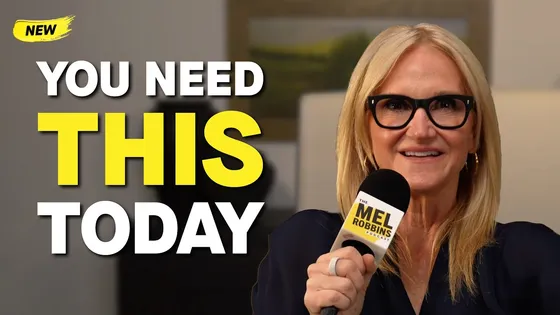
Mel Robbins says your life is an average Tuesday, not the big moments you keep waiting for
The self help star's best reminder is also the least glamorous one: stop treating ordinary days like filler.
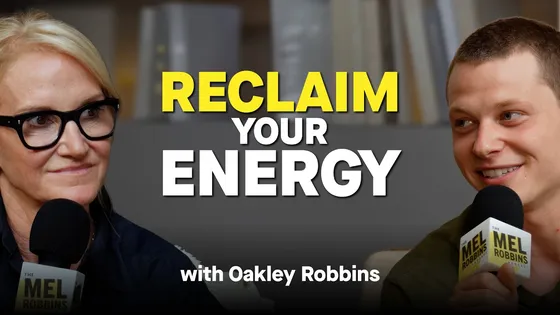
Oakley Robbins says he had to go no contact with his girlfriend to stop hating college
The useful part of this Mel Robbins episode is not positive thinking, it is the brutal little admission that an escape hatch can keep you miserable.
The circuit, read weekly. No noise.