Mel Robbins says writing your unfinished to-do list at night can work better than some sleep medication
The strongest idea in Robbins's bedtime script is also the most suspiciously useful one, put the unfinished mess on paper and stop letting your brain cosplay as a project manager at midnight.
Listen on YouTube · Spotify · Apple Podcasts
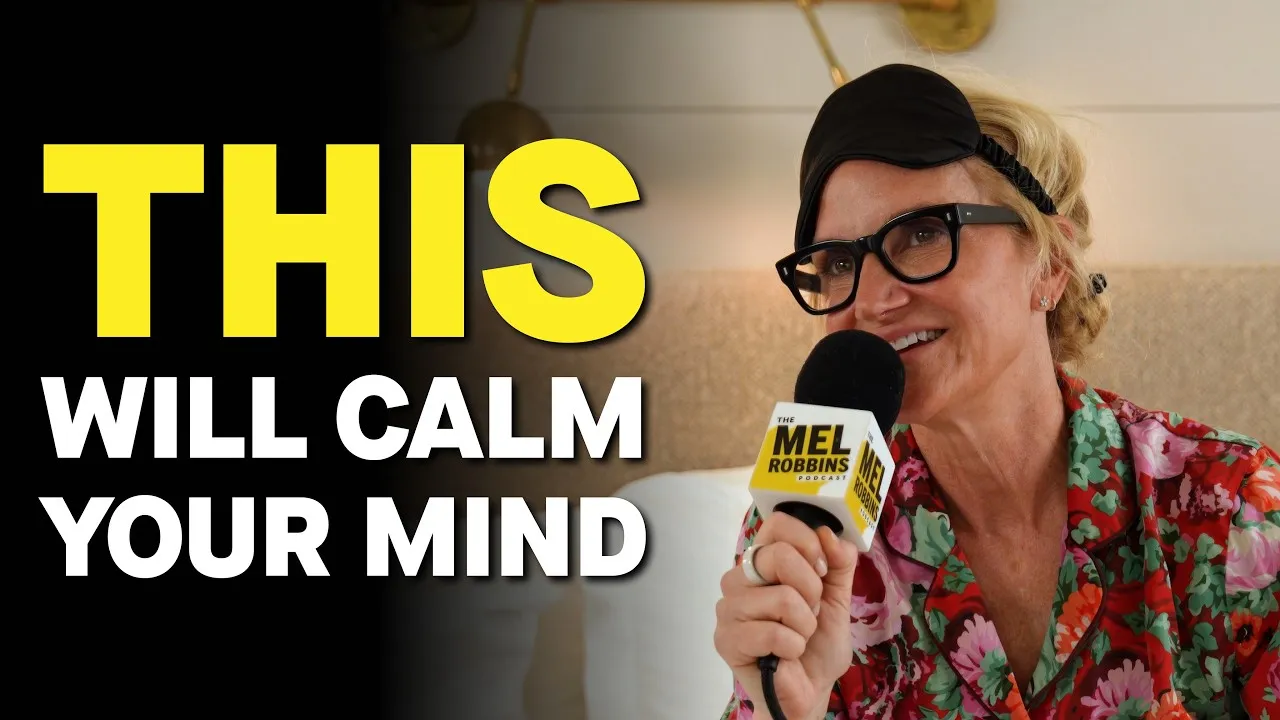 WATCH NOW↓
 Mel Robbins says the bedtime move that may beat “some sort of medication” is not a supplement, a mist, or the tiny hotel spray she admits to stealing. It is writing down the unfinished junk on your to-do list before bed, which is the rare self-help tip that sounds both corny and annoyingly plausible.
On The Mel Robbins Podcast, Robbins packages the idea inside a seven-line bedtime script for anxious people whose brains turn into Slack at 11:47 p.m. The script is classic Robbins, part science clipping file, part friend FaceTiming from the edge of a duvet, part “you can do this” pep rally. But the notebook claim is the one you can actually test tonight.
fell asleep faster and they fell asleep faster making a list of all the unfinished things that are on their mind than taking some sort of medication.
That sentence is doing the most cardio in the episode. The useful part is real, writing down unresolved tasks can reduce the little mental pings that keep people awake. The medication comparison is where Robbins gets a little too podcast-poster-bold. The Baylor study she describes compared bedtime lists of unfinished tasks with lists of completed tasks. It is not a license to throw your sleep meds into a drawer and buy a Moleskine.
The notebook is the real sleep aid
Robbins’s best insight is that rumination has become a bedtime routine for a lot of people. Toothbrush, pajamas, phone charger, then a private screening of Every Bad Thing You Forgot To Fix. Her answer is to externalize the chaos. Put the tasks beside the bed, not inside your skull. It is less “manifest your dream life” than “stop using your frontal lobe as a whiteboard.”
That is why this works better as sleep hygiene than as positivity theater. The episode keeps promising happiness and optimism, but the sharpest tools are less sunny than that. They are containment tools. Tell the brain, not now. Tell the worry, tomorrow. Tell the task, you have been logged.
Robbins borrows heavily from earlier appearances by experts, especially Stanford psychologist Alia Crum, whose work on mindset gives the episode its central mechanism. The idea is not that you lie to yourself until your life becomes a spa brochure. It is that you choose a frame that lets your body stop reacting like every loose end is a bear in the room.
The best mindset to be in when you have cancer is the mindset that this is manageable.
Crum was talking about cancer, which is a much heavier subject than a messy calendar or an unanswered text. Robbins stretches that word, manageable, across ordinary nighttime dread. Sometimes that stretch is fair. Sometimes it turns a serious medical psychology point into a throw pillow. Still, “I can manage this” is a better 2 a.m. sentence than “what if my entire life collapses because I forgot to email Brad?”
The anti-positivity part is the best part
The episode’s smartest move is that Robbins does not start with “be grateful” or “think happy thoughts.” She starts with permission to feel bad. That comes from psychologist Lisa Damour, whose argument is a needed slap to the culture of forced cheerfulness. Feeling awful when awful things are happening is not proof that you are broken. It may be proof that your emotional equipment is working.
that distress is proof that they work perfectly.
This is where Robbins is strongest. She is selling positivity, yes, but the actual practice begins with realism: “It’s okay for me to feel overwhelmed based on everything that’s going on.” That is a far better bedtime sentence than “I am calm, abundant, and glowing,” especially if you are sweating through your sheets while mentally litigating a mammogram, a marriage, or a moving truck in Los Angeles.
Then comes the practical chain: I can manage this. I don’t need to solve this right now. I did my best today. Now is my time to rest. Tomorrow’s going to be a good day. I give myself permission to drift off to sleep. A little Hallmark? Sure. But also a decent way to stop treating every thought as a court summons.
no, not now. Now is my time. I’ve done things for my students, my partner, my kids all day, and now is my time to restore and relax.
The claim to remember is not that a bedside list is magic. It is that your brain may be waking you up because it thinks it is protecting the unfinished business. Give it a receipt. If Robbins is even half right, the cheapest sleep tool in your house is a pen, a pad, and the nerve to stop holding the night shift meeting in your head.
- Does writing a to-do list before bed actually help you fall asleep?
- Robbins points to Baylor University research suggesting that writing down unfinished tasks can calm the brain enough to make sleep come faster. The logic is refreshingly un-mystical, your mind stops trying to keep every loose end alive because the paper is now holding the list.
- Is Mel Robbins saying to replace sleep medication with a notebook?
- That would be the wrong read. Robbins makes the splashy comparison to medication, but the safer takeaway is smaller and more useful, a written list may reduce bedtime rumination. If medication is part of your care, a podcast sleep ritual is not a substitute for medical advice.
- What are the seven things Mel Robbins says to tell yourself at night?
- Her script is: it's okay for me to feel overwhelmed, I can manage this, I don't need to solve this right now, I did my best today, now is my time to rest, tomorrow's going to be a good day, and I give myself permission to drift off to sleep.
Mel Robbins says the Red Sox are making their first bobblehead honoring a woman for her Let Them Night
The summer-reset episode mostly sells anticipation as self-care, but the searchable nugget is a Fenway promo claim big enough to make Red Sox fans squint.
Mel Robbins says your life is an average Tuesday, not the big moments you keep waiting for
The self help star's best reminder is also the least glamorous one: stop treating ordinary days like filler.
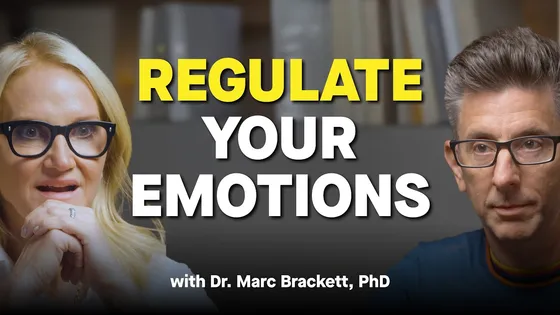
Marc Brackett says teachers can grade the same essay one to two full grades differently depending on their mood
The Yale emotional intelligence researcher makes a useful, slightly terrifying case that your feelings are already making decisions before you think you are.
Gary Vaynerchuk says live shopping is exactly where social media was in 2014
On Mel Robbins, Gary Vee turned a motivational sermon into a very Gary Vee market call: if you think TikTok Shop already passed you by, he says you're mistaking the starting gun for the finish line.
The circuit, read weekly. No noise.