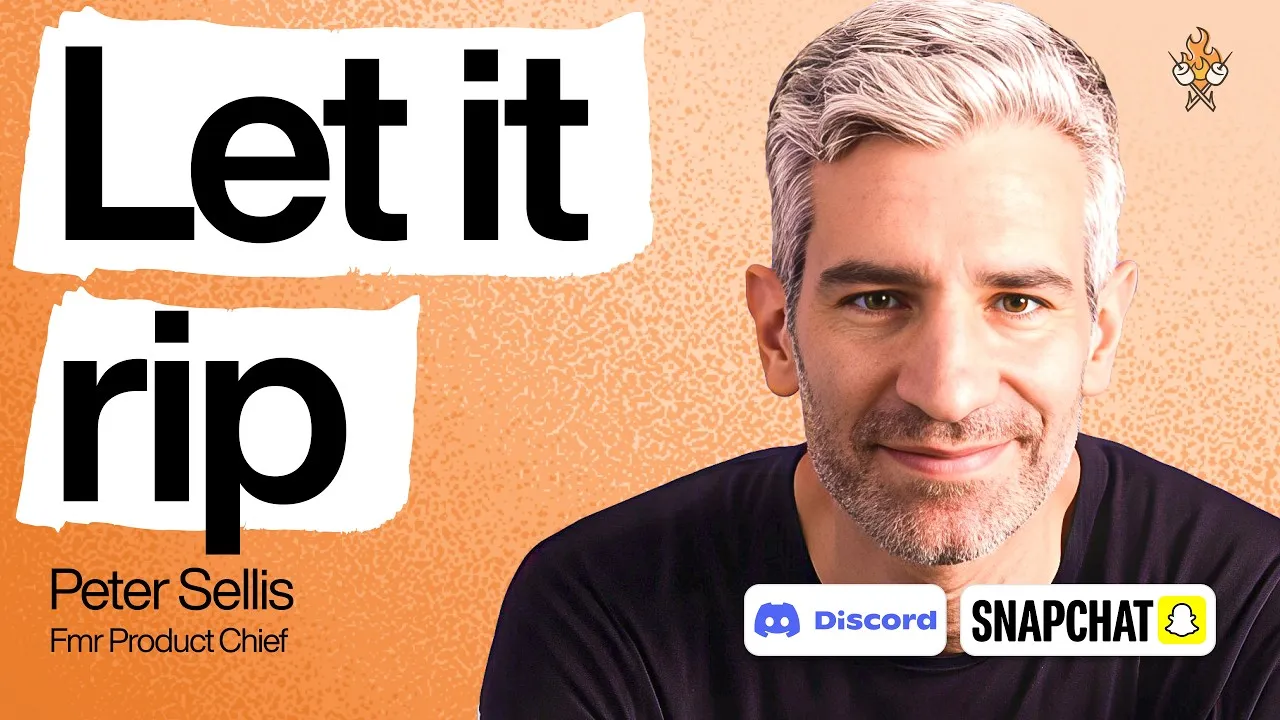
Peter Sellis says the best product teams should be designed like terrorist organizations
The former Snapchat and Discord product chief has a radioactive metaphor for startup org design, but the idea underneath it is less insane than the phrasing.
Listen on YouTube
 WATCH NOW↓
 Peter Sellis thinks the best startup teams should borrow from terrorist organizations. Not the violence, he says, but the combination of near-religious mission and brutally clear decision rights that lets a group keep moving when central command is absent.
This is the kind of metaphor HR would put in a lead-lined box and bury under the benefits portal. It is also, annoyingly, a real idea. Sellis, the first PM at Snapchat and later head of product at Discord, went on Lenny’s Podcast with no book, no launch, no comms chaperone, and apparently no instinct for making life easy for future employers. What came out was a management theory with a siren on it.
collaboration comes with incredible coordination costs. And coordination costs essentially assure that you’re moving as slow as the slowest node um in the system.
That is the sane core of the whole provocation. Sellis is not making the usual LinkedIn argument for trust, autonomy, and alignment, meaning a carousel post with pastel arrows. He is saying that high-growth companies often drown themselves in well-intentioned collaboration, then call the slowdown maturity. His answer is ideology plus authority. Everyone knows why they are doing the thing. Everyone knows who gets to decide the thing.
A good like terrorist organization [laughter] essentially has two things. One is it has this like uh ideological culture that everyone understands why they are doing what they’re doing. Uh and then it has a very very clear organizational structure of who can be trusted with which decision.
The cult part is not accidental
Lenny Rachitsky offers the softer Silicon Valley version, build a cult. Sellis basically shrugs and says, yes, but less founder-worship, more doctrine. That distinction matters. In his telling, the founder or product leader is not supposed to be a charismatic camp counselor with a Patagonia vest. The leader is supposed to turn strategy into repeatable language so teams can make decisions without holding a séance every time a button moves.
It is not Yeah, you can’t spell culture without cult.
The eyebrow stays raised. The metaphor is grotesque on purpose, and maybe too pleased with itself. But Sellis’s actual test is useful: if your team needs eight people to bless a decision, you don’t have collaboration, you have a hostage situation with calendar invites. The catch is that this only works when the mission is real. If the ideology is vague, the model becomes boss cosplay. If the decision rights are political, it becomes a faster way to make bad calls.
The contradiction is that Sellis is also a product manager who thinks many product managers are bad. He says the profession is structurally set up for mediocrity because the best PMs exit into founding companies or executive jobs, while weaker ones cling to a lucrative, loosely defined role. That sounds like an anti-PM rant until he describes the job he actually respects: taking a founder’s vision and making it executable by people who are not sitting inside the founder’s brain.
Snapchat is the case study hiding inside the grenade
Sellis’s best example is not the terrorist line. It is his description of core product value at Snap and Discord. At Snap, the phrase was essentially that Snapchat is the fastest way to share a moment with the people you care about. At Discord, it was about being the best way to talk and hang out with friends before, during, and after playing games. That is product management as catechism, but with metrics stapled to it.
we actually had an onboarding presentation which I delivered to every single new hire for seven years straight every week or every other week later uh that was about this because like that was part of the cult right like this is how we deliver core product value.
That is the less memeable, more important version of the claim. Sellis is arguing that great teams do not become fast by asking people to be faster. They become fast because the company has already answered the boring questions in advance: what matters, what does not, who decides, and what metric proves the decision worked.
If he’s right, your next team fix is not another sync, another brainstorm, or another doc asking for feedback by Friday. The useful questions are harsher. Does everyone know the religion? And who is trusted to decide before Slack turns the whole company into oatmeal?
- Did Peter Sellis literally mean product teams should copy terrorists?
- No. Sellis explicitly separated the analogy from violence. His point was organizational: the groups he had in mind combine a powerful shared belief system with a clear understanding of who is trusted to make which decision.
- Why does Sellis think collaboration can hurt startups?
- He argues that collaboration has a hidden coordination cost. The more people who need to touch a decision, the more a company moves at the speed of its slowest participant, which is deadly for high-growth teams trying to act like founders would have acted months earlier.
- How does this square with his view that many product managers are bad?
- That tension is the episode's funniest contradiction. Sellis thinks the median PM can be net negative, but he also thinks the best product leaders are the people who translate founder vision into language, metrics, and decision systems that keep a company moving.
Roman Ugarte says AI bots need their own cloud computers, not yours
The Cursor veteran's big bet is that the future of AI assistants looks less like a chat window and more like hiring a weirdly tireless coworker with a laptop.
Anish Acharya says most AI companion users are women in their 40s and 50s
The a16z consumer investor punctured the AI girlfriend cliché and argued that consumer AI's real prize is not productivity, it is emotional need.
Ian Silber says AI is already an incredible product designer
OpenAI’s head of product design makes the case that designers aren’t doomed by AI, they’re late to the most useful tool in the room.
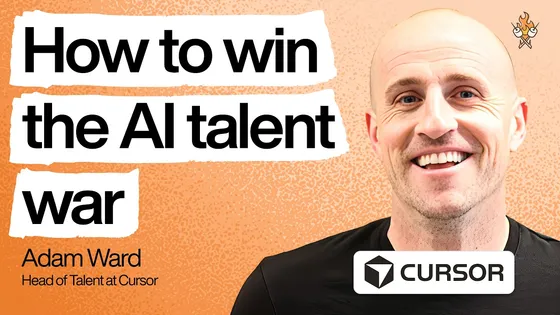
Adam Ward says asking 'who's the best product engineer you know?' is the worst recruiting question
The Cursor head of talent argues that most companies hire from a 'funnel of doom' and end up with whoever was available, not whoever was best.
The circuit, read weekly. No noise.